

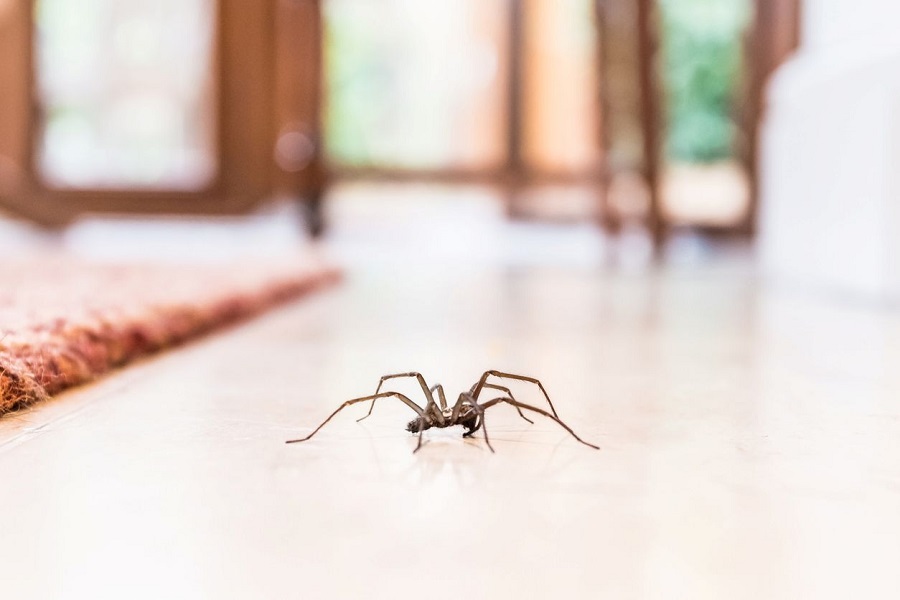
Spiders are common in homes, especially in attics, basements, and garages. While most are harmless, some pose health risks or cause discomfort. Effective spider removal means not just eliminating visible spiders, but also making your home less inviting to them. This guide shows how to identify, remove, and prevent these pests in your home.
Identify the Spiders in Your Home
Knowing which species are present helps homeowners make informed decisions for safer, more effective spider removal. Common house spiders include:
- American House Spider (Parasteatoda tepidariorum) – Small, tan or brown, with a distinctive pattern on the abdomen. They are harmless and often found in corners and basements.
-
Wolf Spider (Lycosidae) – Large, fast-moving, and hairy—these spiders are often found on floors and walls. They are not aggressive and prefer to avoid humans.
-
Jumping Spider (Salticidae) – Small, with large eyes—they are active hunters and are often found on walls and ceilings. They are harmless and may bite if provoked.
-
Sac Spider (Clubionidae) – Pale-colored and often found in bedrooms or storage areas. Bites may cause mild irritation.
-
Venomous species (brown recluse, black widow) – Rare, but bites can be dangerous and require immediate attention.
Understand Spider Behavior
Spiders typically enter homes to seek shelter and food. They are attracted to:
-
Insects and other pests, which provide a steady food source.
-
Cluttered areas, such as piles of clothing, boxes, or paper.
-
Damp or humid spaces, like basements, bathrooms, and crawlspaces.
Spiders help control pests, but their presence indoors is undesirable. Understanding their reasons for entering helps guide effective removal and prevention.
Safe Methods for Spider Removal
Manual Removal
-
-
Use a vacuum or broom to remove spiders and webs, disposing of debris outdoors.
-
For individual spiders, a jar-and-card method allows safe capture and relocation.
-
Regularly remove webs to reduce hiding spaces and discourage spiders from returning.
-
Chemical Treatments
-
-
Spider-specific sprays can help reduce infestations, especially in corners, baseboards, and other entry points.
-
Always follow safety instructions, keeping children and pets away from treated areas.
-
Avoid overusing chemicals to protect both the household and the environment.
-
Natural Deterrents
-
-
Essential oils such as peppermint, citrus, or eucalyptus can be applied to windowsills, corners, and baseboards to deter spiders.
-
Sticky traps help monitor populations and catch spiders before they establish a large presence.
-
Combining manual removal with natural deterrents often provides effective results without relying heavily on chemicals.
Prevent Future Infestations
Long-term spider removal relies on consistent preventive measures.
Reduce Food Sources
-
-
Control other insects through traps, screens, and regular cleaning.
-
Minimize outdoor lighting near doors and windows to reduce insects that attract spiders
-
Eliminate Hiding Spots
-
-
Declutter storage areas, attics, and basements to remove potential shelters.
-
Seal cracks and gaps around doors, windows, and plumbing to prevent entry.
-
Control Moisture
-
-
Fix leaks and use dehumidifiers in damp spaces.
-
Ensure proper ventilation in bathrooms, laundry rooms, and crawlspaces.
-
Ongoing Monitoring
-
-
Inspect typical hiding spots monthly to catch early signs of activity.
-
Replace sticky traps and refresh natural repellents regularly.
-
Consistent monitoring and preventive practices reduce the likelihood of recurring infestations.
Seasonal Spider Management
Spiders often enter homes more frequently during certain times of the year, particularly fall, when they seek warmth and shelter. Homeowners can take proactive measures:
-
Fall: Inspect and seal potential entry points before colder months. Remove webs and clear clutter to reduce hiding spots.
-
Spring and Summer: Clean storage areas and remove webs that may have accumulated during winter. Maintain outdoor lighting and landscaping to reduce insects that attract spiders.
-
Winter: Continue monitoring indoor spaces, particularly basements and attics, where spiders may shelter during cold months.
Understanding seasonal behavior helps homeowners implement timely strategies and avoid larger infestations.
When to Call Professionals
While DIY methods handle most spider problems, professional pest control is recommended when:
-
Infestations are widespread or persistent
-
Venomous spiders are in the area
-
Spiders return despite preventive measures
Experts can provide safe spider removal, apply targeted treatments, and advise on long-term prevention strategies, ensuring lasting results.
Final Thoughts
Effective spider removal involves identifying spiders, safely eliminating them, and maintaining preventive measures. By reducing attractants, keeping your home clean, and taking seasonal precautions, homeowners can minimize recurring infestations. Professional help ensures safety and lasting results.
