

Protecting Indoor Air Quality with Professional Environmental TestingThe Critical Role of Environmental Testing in Modern Building Science
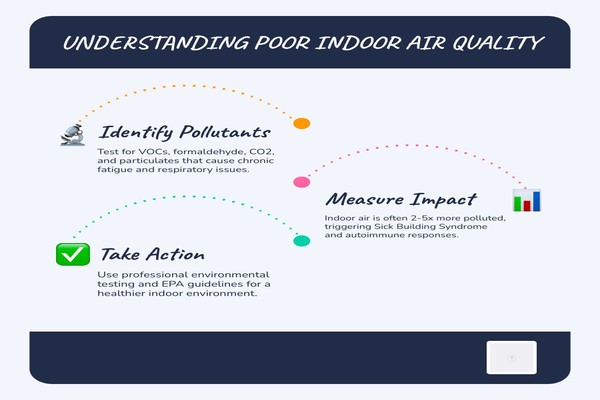
Research indicates that the air inside our homes and workplaces can be 2 to 5 times more polluted than outdoor air. Considering many of us spend up to 90% of our time indoors, particularly since 2020, the quality of this unseen environment profoundly impacts our well-being and productivity.
This startling reality means that the very spaces designed for our comfort and efficiency might be silently contributing to health concerns. From subtle irritants to significant health risks, poor indoor air quality (IAQ) is a growing concern for both residential and commercial properties, often manifesting as issues like “Sick Building Syndrome.”
Understanding and addressing these airborne threats requires more than just guesswork; it demands precise, scientific evaluation. This comprehensive guide will delve into the critical aspects of Air Quality Testing, exploring common pollutants, their health impacts, and the various methods available to identify and mitigate risks. We will discuss why professional environmental testing is not just a reactive measure but a proactive step towards creating healthier, safer indoor environments for everyone.
The statistics are compelling: indoor air can be significantly more polluted than outdoor air, a fact that often goes unnoticed because many harmful contaminants are invisible and odorless. This elevated indoor pollution is a primary driver behind what’s known as “Sick Building Syndrome” (SBS), a condition where occupants experience acute health and comfort effects that appear to be linked to time spent in a building, but no specific illness or cause can be identified.
The shift towards more energy-efficient, airtight building construction since the 1970s, while beneficial for reducing energy consumption, has inadvertently led to the trapping of pollutants indoors. This ‘tight building’ phenomenon, combined with the proliferation of synthetic building materials and consumer products, has made the management of indoor air quality more complex than ever before. The 90% of our time spent indoors isn’t just spent at home; it includes offices, schools, retail spaces, and transportation hubs, each with its own unique set of air quality challenges. Consequently, the air we breathe is a mixture of outdoor pollutants that have migrated inside and a cocktail of chemicals generated within the building itself.
Common culprits contributing to poor IAQ include Volatile Organic Compounds (VOCs) and Formaldehyde. VOCs are airborne chemicals emitted from a wide array of products and materials, from paints and cleaning supplies to new furniture and building materials. Formaldehyde, a specific type of VOC, is often found in pressed-wood products, glues, and insulation. The presence of these and other pollutants can lead to a range of adverse health effects, including chronic fatigue, respiratory issues, headaches, and even act as triggers for autoimmune responses. These health problems, in turn, can significantly impact employee satisfaction, productivity, and overall business profitability.
For building owners and facility managers, understanding and managing indoor air quality is paramount. The EPA’s Building Air Quality Guide provides a structured approach to institutionalizing good IAQ management practices. It emphasizes that proactive measures and regular monitoring are crucial for maintaining a healthy indoor environment.
Why is indoor air quality testing important? It’s the first step in identifying unseen threats. Without proper testing, you might be unaware of the specific pollutants affecting your indoor environment, making it impossible to address them effectively. This isn’t just about comfort; it’s about safeguarding health, protecting property value, and ensuring a productive environment.

Comprehensive Environmental Testing Strategies for Residential and Commercial Properties
Addressing indoor air quality is a complex task that requires a strategic approach. For commercial entities, this responsibility is underscored by regulations like the OSHA General Duty Clause, which mandates employers to provide a workplace free from recognized hazards. This necessitates “defensible data” – scientifically sound evidence obtained through professional testing. Our experience, including over two decades as expert witnesses, highlights the critical importance of accurate and reliable environmental data.
Poor indoor air quality in workplaces is a significant factor in the development of “Sick Building Syndrome,” leading to employee dissatisfaction, increased absenteeism, and higher healthcare costs. For a deeper understanding of this phenomenon, explore our article on Sick Building Syndrome What Is It. The health effects of particulate matter, a common indoor pollutant, are also well-documented by the EPA Particle Pollution and Your Health guide.
Signs of poor indoor air quality can manifest in various ways, both in occupants’ health and the building’s environment. In homes, residents might experience persistent allergies, respiratory issues, headaches, or unusual odors. For businesses, employee complaints about discomfort, reduced focus, or frequent illness are red flags. Environmental indicators can include excessive dust, condensation on windows, or visible mold growth.
The most common indoor air pollutants found in homes and offices often include:
- Carbon Dioxide (CO2): While naturally occurring, elevated indoor levels indicate insufficient ventilation, leading to drowsiness and reduced cognitive function.
- Total Volatile Organic Compounds (TVOCs): A broad category of chemicals emitted from building materials, furnishings, and consumer products. Many VOCs are imperceptible by smell.
- Formaldehyde (HCHO): A colorless, pungent gas used in many building materials and household products, known to cause respiratory and skin irritation.
- Particulate Matter (PM2.5, PM10): Tiny airborne particles from sources like dust, pollen, pet dander, combustion (cooking, smoking), and outdoor pollution. These can penetrate deep into the lungs.
- Mold Spores: Microscopic fungi that thrive in damp conditions, releasing spores that can trigger allergic reactions and respiratory problems.
- Radon: A radioactive gas that seeps from the ground into buildings, a leading cause of lung cancer for non-smokers. Radon is particularly dangerous because it is completely undetectable by human senses; you cannot see, smell, or taste it. It typically enters buildings through cracks in the foundation or gaps around service pipes, accumulating in lower levels like basements.
- Asbestos: Fibrous minerals once used in construction, which can release dangerous fibers when disturbed. While asbestos is no longer used in most new construction, it remains a legacy concern in many older structures. When materials containing asbestos are damaged or disturbed during renovations, they release microscopic fibers that, when inhaled, can cause serious long-term lung diseases.
- Allergens: Pollen, pet dander, dust mites, and cockroach allergens. These biological contaminants are often exacerbated by high indoor humidity levels. Maintaining relative humidity between 30% and 50% is generally recommended to minimize the growth and spread of these triggers, which can significantly impact individuals with asthma or sensitive respiratory systems.
Ventilation plays a crucial role in improving indoor air quality. It helps dilute and remove indoor pollutants by introducing fresh outdoor air. This can range from simple actions like opening windows to sophisticated mechanical ventilation systems with energy recovery. The American Society of Heating, Refrigerating and Air-Conditioning Engineers (ASHRAE) provides specific standards, such as Standard 62.1 and 62.2, which dictate the minimum ventilation rates required to maintain acceptable indoor air quality in commercial and residential buildings. Modern HVAC systems are increasingly incorporating advanced filtration and demand-controlled ventilation (DCV) systems. These DCV systems use sensors to monitor CO2 levels and adjust the intake of outdoor air based on actual occupancy, ensuring that air quality is maintained while also optimizing energy efficiency. Proper ventilation also helps control humidity, preventing conditions conducive to mold growth.
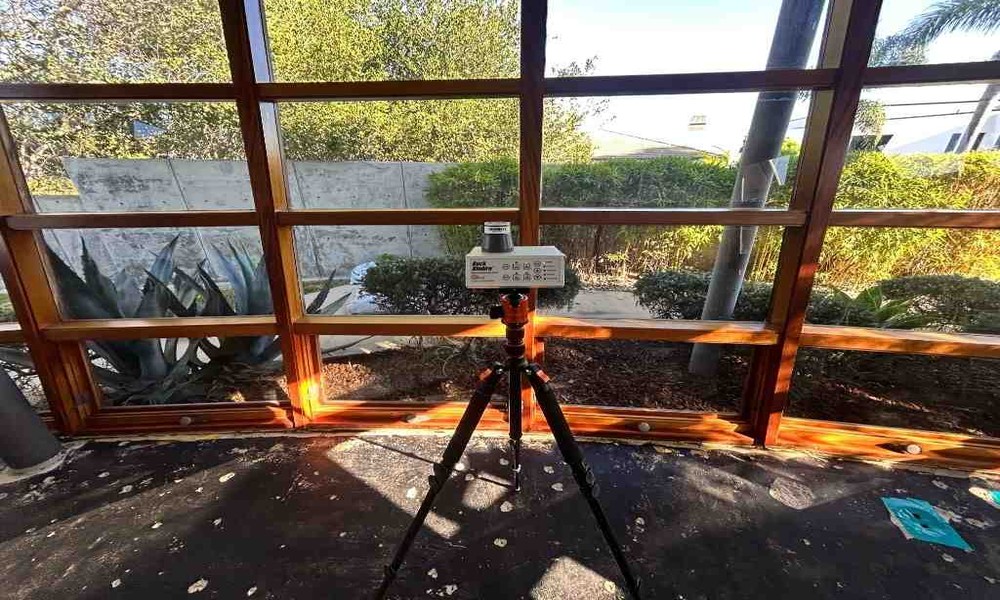
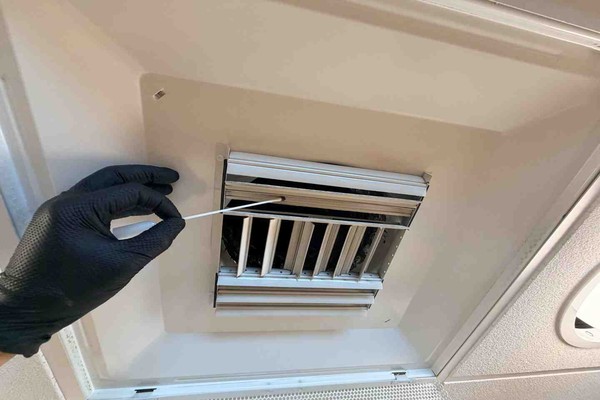
Professional air quality testing services offer a comprehensive approach to identifying these issues. Our Certified environmental air quality experts employ a range of methods and technologies, from direct-reading instruments for immediate assessment of CO2 and TVOCs to laboratory analysis of air and surface samples for specific contaminants like mold, asbestos, and individual VOCs.
The approach to air quality testing can differ between residential and commercial spaces. Residential testing often focuses on occupant health and comfort, identifying common household pollutants. Commercial testing, however, typically involves more extensive sampling, adherence to occupational safety standards, and consideration of potential legal liabilities. It often requires a detailed understanding of HVAC systems, building occupancy, and specific industrial processes that might impact air quality.
Identifying Hidden Hazards through Environmental Testing
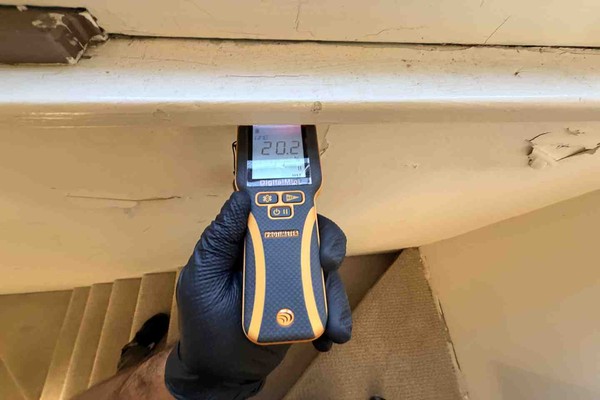
One of the most insidious indoor air quality problems is mold. Mold can begin to grow within a mere 24-48 hours after water damage occurs, often in hidden spaces like behind walls or under flooring. Identifying these hidden hazards requires specialized tools and expertise. Moisture meters, for instance, can detect elevated moisture levels in building materials, indicating potential mold growth even when it’s not visible. We look for moisture thresholds, such as wood moisture content below 19% and drywall below 1%, to assess risk.
We often use the analogy of “fire vs. ashes” when discussing mold. Visible mold is the “fire” – the active growth. But the “ashes” – the spores and fragments left behind even after visible mold is removed – can still pose significant health risks. This is why comprehensive Mold Inspection and Testing is essential. It goes beyond what meets the eye, using scientific methods to detect the presence and concentration of mold spores in the air and on surfaces.
Different methods are used for mold sampling, including viable and non-viable techniques. Viable sampling involves collecting spores that can grow in a lab, allowing for identification of specific species. Non-viable sampling captures all spores, living or dead, providing a broader picture of contamination. Both are crucial for a complete assessment. To learn more about how to assess your home’s air quality, including for mold, refer to this guide on How to Measure Air Quality at Home?.
The symptoms of poor air quality can be subtle but persistent. If you or others in your property are experiencing unexplained health issues such as headaches, fatigue, respiratory irritation, or persistent allergies, it might be a sign of hidden indoor contaminants. Our article on Poor Air Quality Symptoms provides more details on what to look for.
The Importance of Independent Environmental Testing and PRCT
When mold or other contaminants are identified, remediation is typically required. However, the job isn’t truly complete until Post-Remediation Clearance Testing (PRCT) confirms the environment is safe. This is where the role of independent environmental testing becomes paramount. An independent inspector, free from conflicts of interest with the remediation contractor, provides an unbiased assessment of the effectiveness of the cleanup. This ensures that the problem has been fully addressed and the indoor environment restored to healthy conditions.
Choosing the right air quality testing service or product involves several considerations. Look for certifications such as ACAC (American Council for Accredited Certification), which demonstrates a commitment to industry standards and ethical practices. Services that offer rapid turnaround times for lab results, often within 24 hours, are invaluable for timely decision-making. Furthermore, a company with a long history of serving as an expert witness in environmental cases brings a level of scientific rigor and credibility that is hard to match. For guidance on selecting air cleaning devices, which often complement remediation efforts, the Guide to Air Cleaners in the Home offers valuable insights. When considering Hiring An Environmental Consultant, ensure they prioritize independent, defensible data.
The costs associated with indoor air quality testing and remediation can vary significantly depending on the scope of the problem, the size of the property, and the specific contaminants involved. While initial testing costs are an investment, they are often far less than the potential expenses of long-term health issues, property damage, or legal liabilities resulting from unaddressed IAQ problems. Remediation costs will depend on the extent of contamination and the necessary interventions.
Specific air quality concerns can also arise for certain regions or types of buildings. For example, older buildings may have issues with asbestos or lead paint, while properties in humid climates are more prone to mold. Buildings near industrial areas or busy roadways might face higher levels of outdoor particulate matter infiltration.
For employers and building owners, poor indoor air quality carries significant legal and liability implications. Beyond the moral obligation to provide a safe environment, negligence can lead to lawsuits, regulatory fines, and reputational damage. Proactive testing and documented remediation efforts are crucial for mitigating these risks.
Conclusion: Taking Action for a Healthier Indoor Environment
Maintaining optimal indoor air quality is not a one-time fix but an ongoing commitment. It requires a systems-based approach that considers all potential sources of contamination, the effectiveness of ventilation, and the health of occupants. Professional environmental testing provides the crucial data needed to make informed decisions, identify hidden hazards, and implement effective solutions.
Furthermore, maintaining high indoor air quality can lead to tangible economic benefits. In commercial settings, improved air quality has been linked to higher cognitive function, better decision-making, and increased overall performance among employees. For homeowners, it means fewer sick days for the family and a more comfortable living environment. Regular assessments and a proactive maintenance schedule for HVAC systems and air filtration can prevent small issues from escalating into costly remediation projects. The goal is to create an indoor environment that supports health and vitality rather than detracting from it.
Whether you’re a homeowner concerned about your family’s health or a business owner striving for a productive and safe workplace, investing in professional air quality testing is a wise decision. Look for professionals who adhere to high industry standards, such as those set by ASHI, CREIA, and Inter-NACHI, ensuring comprehensive and reliable assessments.
By partnering with experienced environmental testing professionals, you can gain peace of mind, protect your investments, and, most importantly, safeguard the health and well-being of everyone who breathes your indoor air. Don’t leave your indoor air quality to chance. Take proactive steps today to ensure a healthier tomorrow.
To learn more about how professional environmental testing can benefit your property, please Contact Us or call (949) 239-3727. Our team of experts is ready to assist you.
