

Selling a property is never just about putting it on the market and waiting for offers. The way you prepare, price and present the property can affect how quickly it sells, who it attracts and how smoothly the transaction moves.
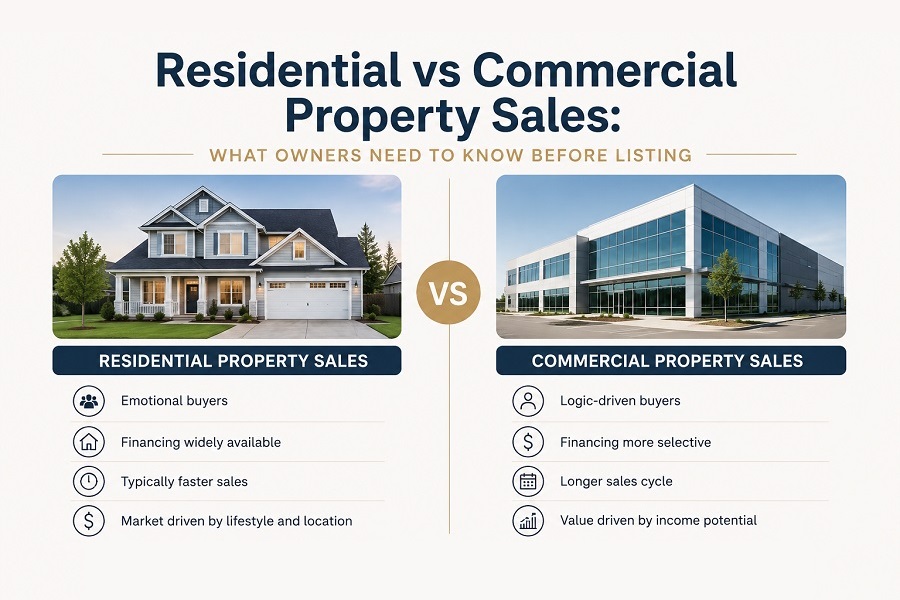
This is especially true when comparing residential and commercial property sales. A house or flat is usually sold on lifestyle, location and emotional appeal. A shop, office, mixed-use unit or investment property is sold in a more numbers-led way, with buyers looking closely at income, leases, business use, planning and long-term value.
For owners in South West London, working with a local agent such as lets find a home wandsworth can help you understand which type of buyer you are trying to reach and what they need to see before making an offer.
The UK property market is still price-sensitive. Official figures showed the average UK house price at around £270,000 in April 2026, while London remained far higher than the national average. For commercial property, buyers are also watching borrowing costs, yields, lease strength and tenant demand carefully. This means preparation matters before you list.
Residential property sales are often driven by emotion and lifestyle
Residential buyers usually want to imagine themselves living in the property. They look at space, natural light, storage, room layout, schools, transport links and the feel of the area.
A buyer may be comparing a 2-bedroom flat in Wandsworth with another in Putney, Earlsfield or Clapham. The decision may come down to the condition of the kitchen, whether there is outdoor space, how close it is to the station, or whether the second bedroom can work as a home office.
This is why presentation matters so much in residential sales. Good photography, clear floorplans, tidy rooms and honest descriptions can help buyers connect with the property quickly.
Before listing a residential property, you should think about:
- Whether the asking price reflects recent local sales
- Whether small repairs could improve buyer confidence
- Whether the property feels clean, bright and uncluttered
- Whether the floorplan clearly shows usable space
- Whether your paperwork is ready for conveyancing
Residential sales can become slow if buyers lose confidence. Missing paperwork, unclear lease details, service charge questions or poor presentation can all create delays.
Commercial property sales are usually more numbers-led
Commercial buyers tend to look at the property differently. They are often thinking about income, risk, business potential and long-term return.
A commercial property might be a shop, office, restaurant unit, warehouse, mixed-use building or investment asset. The buyer may want to occupy it, rent it out, redevelop it or hold it as part of a wider portfolio.
Instead of asking, “Can I see myself living here?”, they are more likely to ask:
- What rental income does it produce?
- How long is left on the lease?
- Who is the tenant?
- What is the yield?
- Are there planning restrictions?
- What business uses are allowed?
- What are the running costs?
- Is there scope to improve or redevelop?
This makes commercial sales more technical. The property may still need strong marketing, but the supporting documents are just as important as the images.
Key differences between residential and commercial property sales
| Area | Residential property | Commercial property |
|---|---|---|
| Main buyer motivation | Lifestyle, home needs, location and affordability | Income, yield, business use and investment return |
| Marketing focus | Photos, floorplans, room sizes, local amenities and lifestyle | Lease terms, income, planning use, tenant strength and location |
| Decision process | Often emotional as well as financial | More analytical and due-diligence led |
| Documents needed | Title deeds, EPC, leasehold details, warranties and property forms | Leases, rent schedule, planning use, service charge details and compliance documents |
| Typical risks | Chain delays, survey issues, mortgage problems and leasehold questions | Tenant risk, lease gaps, planning restrictions and valuation differences |
Pricing needs a different approach
Residential pricing is usually based on comparable local sales, property condition, size, location and current buyer demand. If similar flats in the area have sold for £500,000 to £525,000, that gives a useful guide, although condition and presentation can still shift expectations.
Commercial pricing is often linked to income and yield. For example, if a commercial unit produces £30,000 per year in rent, buyers will assess the value based on the strength of that income, the lease length and the market yield for that type of property.
This is why overpricing can be risky. A residential buyer may still view a slightly overpriced home if they love the area. A commercial buyer is more likely to run the numbers and walk away if the return does not work.
Documents matter before you go to market
Good preparation can reduce delays after an offer is accepted.
For residential property, you may need:
- Energy Performance Certificate
- Title information
- Leasehold details if selling a flat
- Service charge and ground rent information
- Planning permissions and building regulation certificates
- Guarantees for windows, damp proofing or major works
- Property information forms
For commercial property, you may also need:
- Existing lease agreements
- Rent schedule
- Tenant payment history
- Planning use class information
- Business rates details
- Fire safety and compliance documents
- Service charge accounts
- Insurance information
- Details of repairs, responsibilities and restrictions
A serious buyer will usually ask for this information quickly. If you are not ready, the sale can slow down before it properly starts.
Marketing should match the buyer type
A residential listing should help people imagine living in the property. That means professional photos, a clear floorplan, accurate room descriptions and useful local details.
For example, buyers may want to know how close the property is to Wandsworth Town station, Southside Shopping Centre, local parks or nearby schools. These details can make the listing more practical and appealing.
A commercial listing should be more direct. It should explain size, use, lease terms, rent, location, frontage, footfall where relevant, and investment potential. If the property is vacant, the listing should make clear what type of occupier it may suit.
Strong commercial marketing may include:
- Street-facing images
- Internal space photos
- Floor areas
- Planning use information
- Lease details
- Investment summary
- Local business and transport context
The mistake many owners make is using the same style of listing for every property. Residential and commercial buyers do not think in the same way, so the marketing should not be identical.
Tax and costs should be considered early
The sale price is not the only financial figure that matters. You should also consider legal fees, agent fees, mortgage redemption costs, Capital Gains Tax where relevant, VAT treatment on some commercial property, and any costs linked to lease assignments or vacant possession.
Commercial property can be more complex because VAT, business leases, tenant arrangements and investment structures may all affect the sale. Before listing, it is sensible to speak with your solicitor and accountant so you understand the likely net proceeds.
For residential sellers, tax may also matter if the property is not your main home, has been rented out, or is part of a wider investment portfolio.
Vacant possession can affect value
In residential sales, vacant possession is often attractive because buyers can move in without waiting for tenants to leave. However, if the buyer is an investor, a good tenant already in place may be useful.
In commercial sales, the position depends on the buyer. An investor may prefer a strong tenant on a long lease because it creates income from day 1. An owner-occupier may prefer the building to be empty so they can move their business in.
Before listing, you should be clear about whether the property will be sold vacant, tenanted or with lease negotiations in progress.
Local knowledge can make a real difference
Property values can vary significantly from street to street. This is especially true in areas such as Wandsworth, Putney, Earlsfield, Southfields, Battersea and Clapham, where transport links, school catchments, building type and local demand can affect buyer interest.
A local agent can help you understand whether your property is more likely to appeal to first-time buyers, upsizers, investors, landlords, developers or business owners.
That matters because the wrong marketing approach can attract the wrong enquiries. The right approach can save time and improve the chance of a sensible offer.
Final thoughts
Residential and commercial property sales may both involve listing, marketing, negotiation and conveyancing, but they are not the same process.
Residential buyers usually focus on lifestyle, affordability and emotional fit. Commercial buyers focus more on income, lease terms, business use, risk and return. If you prepare your property with the right buyer in mind, you are more likely to attract serious enquiries and avoid unnecessary delays.
Before listing, make sure your pricing, documents, presentation and marketing strategy are clear. A rushed listing can cost you time, weaken your negotiating position and make the sale harder than it needs to be.
If you are thinking about selling a residential or commercial property in Wandsworth or the surrounding areas, contact Lets Find A Home today to arrange a free, no-obligation valuation and get practical advice before going to market.
