


Most homeowners know that septic systems exist, but don’t think about them often since they perform their work without fanfare. However, when things start to smell, drains seem to go slower, or wastewater backs up, you realize just how important your septic system is. Septic service can help keep the process of treating and disposing wastewater (you can see this for yourself at www.worldbank.org/en) smooth and efficient for years to come. Septic service means different things to different people, and knowing more about what it involves can help you better understand how to care for one of your property’s most important components.
The Importance of Regular Septic Service
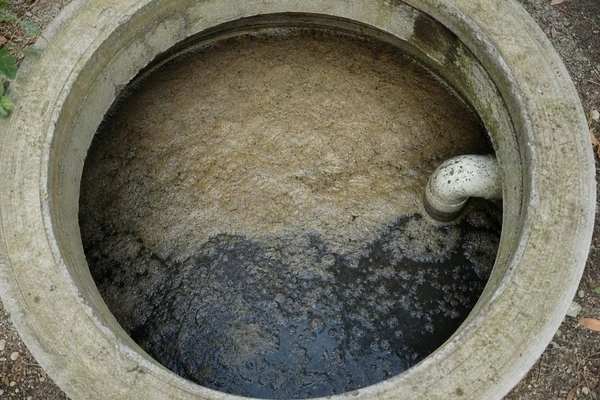
When wastewater enters your septic tank, it remains there long enough for the solid and liquid contents to separate out. Some of the waste is digested by beneficial bacteria, and the remaining liquid effluent flows out of the septic tank and into the drain field where it continues to be treated as it percolates through the soil. Over time, however, solids settle to the bottom of the tank as sludge and float to the surface as scum. If you don’t have your septic tank pumped on a regular basis, the solids can find their way into the outlet pipe and drain field. Eventually, your drain field will become clogged or saturated with wastewater and you may experience sewage backups, standing water, foul odors, and costly property damage.
Preventative maintenance is far less intrusive than having to deal with a broken septic system. In addition, routine service allows you to detect any potential issues such as failing components, leaks, or poor drainage before they become serious problems.
What You Can Expect From a Septic Service
While the specifics of your visit will vary depending on the age and condition of your system as well as how regularly it’s been serviced, most appointments begin by locating and safely opening your septic tank. Your technician will then inspect the waste levels and determine whether or not it needs to be pumped. Services typically performed during a septic appointment include:
- Measuring the sludge and scum levels
- Pumping the tank if necessary
- Inspecting the inlet and outlet baffles
- Checking any exposed lids, risers, and seals
- Identifying possible leaks or structural damage
- Testing the wastewater flow and drainage conditions
- Documenting findings for future reference
While pumping your tank empties its contents, inspection is just as crucial. A clean tank doesn’t necessarily mean all of its components are working properly. For example, damaged baffles, cracked lids, root infiltration, or drain field issues may still be present even after your tank has been pumped.
Warning Signs of a Failing Septic System
Some problems with your septic system manifest gradually over time. Your sinks, tubs, and toilets may start to drain more slowly than normal. Fixtures can begin making gurgling noises, particularly when multiple fixtures are used simultaneously. Foul odors can emanate from the septic tank, plumbing, or drain field area.
More alarming indicators include wastewater backing up in your home, areas of the lawn appearing particularly green over your septic system, or the ground around your drain field feeling soft or spongy. This may be evidence of wastewater backing up or not leaving the system as intended.
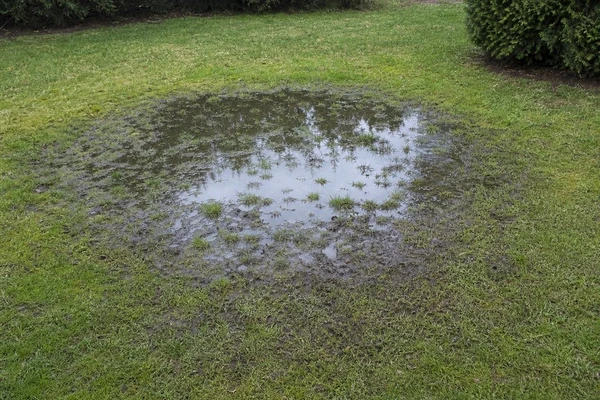
Just because your sink drains slowly doesn’t necessarily mean your septic system is the culprit; you might simply have a blockage in a particular section of pipe. But if multiple fixtures are backing up at the same time, the problem could lie with your main drain line or septic system.
When Should I Have My Septic Tank Pumped?
The length of time between pumping services varies greatly from one property to another. It depends on the size of the tank, the number of residents, the amount of water used, the quantity of waste produced, and the overall health of the system. Other factors, such as using a garbage disposal or doing a lot of laundry, can also influence the rate at which the tank fills up.
Maintenance records can help Pulles Plumbing provide you with a recommended pumping schedule based on how quickly your tank is filling, rather than relying on assumptions. The more people living at your house or the smaller your tank, the more often you’ll need to pump it. An inspection can tell you whether or not you need pumping now and help establish a more reliable schedule for future visits.
Tips for Taking Care of Your Septic System
Reduce your water consumption to decrease the strain on your tank and drain field. Do your laundry over the course of a week instead of all at once, fix any leaks promptly, and avoid dumping large quantities of water down the drain in short periods.
Only flush human waste and septic-safe toilet paper (description). Wipes, sanitary products, grease, medication, paint, harsh chemicals, and other materials that aren’t designed to decompose can clog your pipes or otherwise interfere with treatment.
Avoid driving or parking heavy machinery over the tank and drain field. Compacted soil is detrimental to proper drainage, and heavy loads can also damage your system’s components.
An Easy Way To Take Care Of Your Septic System
Waiting until your system backs up can turn what should be a simple maintenance task into an unpleasant emergency. Regular inspection, timely pumping, water conservation, and awareness of early warning signs can help keep things running smoothly. Proper maintenance and good records can help you safeguard your plumbing, drain field, and long-term maintenance budget.
Keep an easy to locate map of the location of the tank, access lids, and the drain field so that future servicing can be performed easily.
Only plant shallow-rooted grass around the tank and do not direct roof drains, irrigation, or surface water to flow over the area so as not to add more water than what the soil can absorb.
