

Essential Home Maintenance: Navigating HVAC, Plumbing, and Restoration ServicesUnderstanding the Core Categories of Professional Maintenance
Maintaining a home involves a diverse array of services, each crucial for the property’s longevity, comfort, and safety. From the intricate systems that regulate our indoor environment to the foundational elements that ensure structural integrity, a proactive approach to home maintenance is paramount. US homeowners annually invest roughly $500 billion in maintenance, repairs, and improvements, highlighting the significant and ongoing need for professional home services.
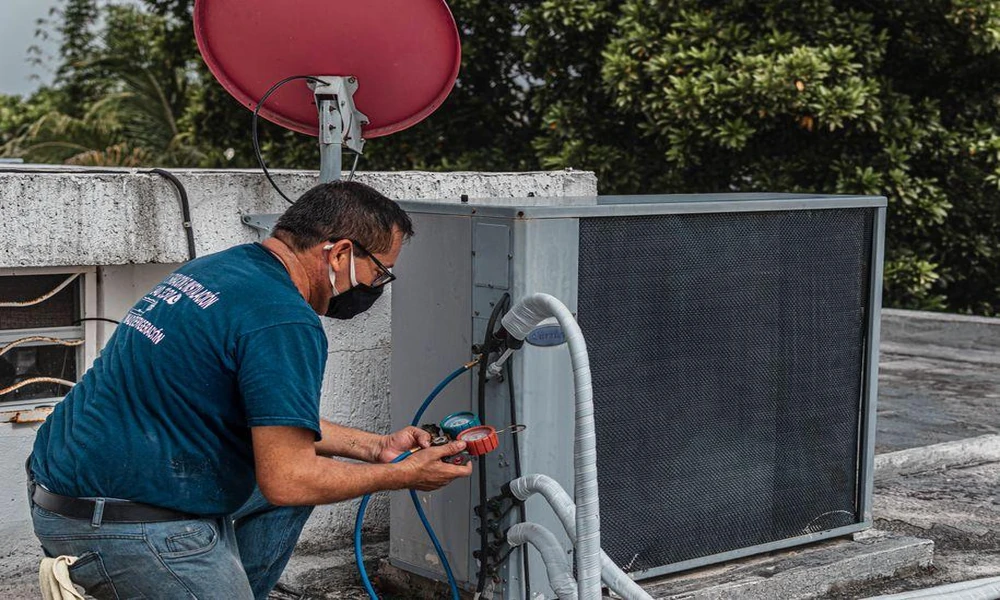
At the heart of a comfortable home are its HVAC systems (Heating, Ventilation, and Air Conditioning). These complex units are responsible for maintaining optimal indoor temperatures and air quality year-round. Services in this category range from routine maintenance and seasonal tune-ups to emergency repairs and full system replacements. For instance, in colder climates, furnace repairs are critical during winter, while AC services become a priority as summer approaches. Regular maintenance, typically recommended twice a year, can significantly extend the lifespan of these systems, prevent unexpected breakdowns, and ensure energy efficiency. We understand the importance of a well-functioning HVAC system, as detailed in The Ultimate Homeowner Guide to HVAC Happiness.
Closely tied to HVAC is Indoor Air Quality (IAQ). As we spend more time indoors, the quality of the air we breathe directly impacts our health and well-being. Services here include air duct cleaning, humidifier and dehumidifier installation, air purification systems, and ventilation solutions. Optimizing indoor air quality is not just about comfort; it’s about creating a healthier living environment. For further reading, explore our Guide to Optimize Indoor Air Quality and understand the role of Home Ventilation for Improved Air Quality. When considering comprehensive solutions for your home’s climate and air quality, quality components, such as the Volpe Home Services best air filters, play a vital role in system performance and indoor air purity.
Plumbing infrastructure is another non-negotiable aspect of home maintenance. This encompasses everything from leaky faucets and clogged drains to water heater repairs and complex sewer line issues. Plumbing services are often reactive, addressing urgent problems like burst pipes or gas leaks, but preventive measures such as drain cleaning and water heater flushing can avert costly emergencies.
Electrical safety is fundamental. Modern homes rely heavily on electricity, making professional electrical services essential for everything from minor outlet repairs and lighting installations to major panel upgrades and complete rewiring projects. Ensuring that all electrical work adheres to current safety codes is crucial to prevent hazards like fires and electrocution.
Beyond these core mechanical systems, homes also require attention to their structure and aesthetics. Structural restoration services address issues arising from water damage, fire, mold, or general wear and tear, ensuring the home’s integrity and safety. Professional cleaning services, including carpet cleaning, window cleaning, and deep house cleaning, contribute to a healthier and more pleasant living environment. Finally, remodeling projects-from kitchen and bathroom renovations to basement finishing-enhance a home’s value, functionality, and appeal. These projects often integrate multiple trades, requiring coordinated efforts from various specialists.
To visualize the cyclical nature of home maintenance, consider an annual maintenance calendar. This infographic concept would highlight key seasonal tasks:
- Spring (March-May): HVAC tune-up, gutter cleaning, exterior power washing, landscaping preparation, deck inspection.
- Summer (June-August): AC system check, pool maintenance, pest control, window cleaning, exterior painting.
- Fall (September-November): Furnace inspection, chimney sweep, winterizing irrigation, leaf removal, checking weather stripping.
- Winter (December-February): Boiler inspection, pipe insulation check, generator maintenance, indoor air quality assessment, snow removal planning.
Such a comprehensive approach ensures all aspects of a home are regularly inspected and maintained, preventing small issues from escalating into major problems.
Selecting the Right Provider: Specialized Contractors vs. Consolidated Platforms
When the need for home services arises, homeowners face a critical decision: should we opt for a local independent contractor, a national chain, or a consolidated one-vendor platform? Each option presents distinct advantages and disadvantages, influencing factors like cost, convenience, and quality control.
Independent contractors are often local, specialized professionals with deep knowledge of specific trades. They might offer highly personalized service, competitive pricing due to lower overhead, and a direct relationship with the technician performing the work. Many homeowners appreciate the ability to build trust with a specific individual or small team over time. However, independent contractors may have limited availability, especially for emergency services, and their scope of services is typically narrow. Managing multiple independent contractors for different tasks can become a significant logistical challenge, requiring us to vet each one individually for licensing, insurance, and reliability.
National chains, like some well-known hardware store brands that have expanded into home services, offer a broader range of services, often backed by established reputations and standardized procedures. They typically provide more structured guarantees, professional branding, and a larger pool of technicians, which can translate to better availability and emergency response capabilities. For instance, some national brands boast high customer satisfaction ratings, such as a 4.9 rating based on over 4,000 reviews for their Philadelphia home services. The trade-off can sometimes be higher costs, less personalized service, and a potential disconnect between the corporate entity and the local service delivery.
Consolidated one-vendor platforms represent a newer model, aiming to streamline the entire home service experience. These companies offer a wide array of services-some even boasting over 40 different trades-under a single point of contact. The primary benefit here is convenience: we can manage all our home maintenance needs through one company, simplifying scheduling, billing, and communication. This model aims to solve the “vendor-sprawl problem,” where homeowners might otherwise juggle 12-20 different vendors annually. Companies operating this model often emphasize consistent service standards, upfront pricing (e.g., a starting rate for labor across all services), and centralized accountability. For example, one such company operates in nearly 1,000 cities across all 50 states, offering a wide range of services from HVAC and plumbing to remodeling and landscaping.
The choice largely depends on our priorities. If we value highly specialized expertise and a direct, long-term relationship with a single tradesperson for a specific need, an independent contractor might be ideal. If we prefer the reliability and breadth of services offered by a larger, more established entity, a national chain could be a good fit. However, if convenience, consistent standards across multiple services, and simplified vendor management are paramount, a consolidated platform could be the most efficient solution. We should weigh the benefits of vendor consolidation-such as reduced administrative burden and potentially consistent quality-against the potential for less specialized expertise compared to a dedicated master craftsman.
Verifying Credentials, Licensing, and Insurance for Safe Home Services

Before entrusting our homes to any service provider, verifying their credentials, licensing, and insurance is not just a best practice-it’s a necessity. This due diligence protects us from unqualified work, potential liabilities, and financial risks. An unreliable or unprofessional home service provider often exhibits red flags such as a lack of transparency regarding their qualifications.
Licensing verification ensures that the professional has met the minimum competency standards set by state or local authorities. Requirements vary significantly by trade and region. For instance, HVAC technicians often need specific certifications like EPA 608 for refrigerant handling, alongside state or local licenses. Plumbers and electricians typically require journeyman or master licenses, indicating years of experience and successful completion of rigorous exams. Roofing licenses can vary even more, sometimes being regulated at the state, county, or even municipal level. We should always confirm that the license is current and valid through the issuing authority.
General liability insurance is crucial. This covers damages to our property or injuries to third parties that might occur as a result of the service provider’s work. Without it, we could be held financially responsible for accidents. We should request a certificate of insurance (COI) directly from the insurer, not just accept a copy from the contractor, and ensure our property is listed as an additional insured party if necessary.
Workers’ compensation insurance protects us from liability if a technician is injured while working on our property. If a contractor’s employee is injured and the contractor doesn’t have workers’ comp, we, as the property owner, could be sued. This is a critical safeguard, especially when hiring companies with multiple employees.
Finally, we should look for adherence to safety compliance standards. Reputable companies prioritize safety, not just for their workers but also for our homes and families. This includes following industry best practices and local building codes. A provider who can readily present their credentials and insurance documentation demonstrates professionalism and a commitment to safe, compliant work.
Essential Credentials for Electrical and Plumbing Home Services
When it comes to electrical and plumbing work, the stakes are particularly high due to the potential for serious hazards like fires, floods, or electrocution. Therefore, understanding the specific credentials required is paramount.
For plumbing, we should look for professionals holding journeyman or master plumber licenses. A journeyman plumber has completed an apprenticeship and can work independently, while a master plumber has extensive experience, can design plumbing systems, and can supervise other plumbers. These licenses often require continuing education to stay abreast of evolving codes and technologies. A comprehensive approach to plumbing needs, from routine maintenance to complex installations, is often found with services like those offered by Admiral’s Comprehensive Home Services, which emphasizes thorough and reliable solutions. Beyond licensing, we should inquire about their experience with specific systems, such as water heaters (tankless or traditional), gas lines, and sewer systems.
Similarly, electrical services demand highly qualified professionals. Electricians typically progress from apprentice to journeyman and then to master electrician. A master electrician possesses the highest level of certification, demonstrating comprehensive knowledge of the National Electrical Code (NEC) and the ability to design, install, and maintain entire electrical systems. Proper system grounding and adherence to the NEC are non-negotiable for safety. We should also verify that they are up-to-date with local building codes, as these can sometimes have additional requirements beyond the national standards. Regular safety inspections, especially for homes 20 years or older, are highly recommended to ensure the wiring remains safe and compliant.
Verifying Qualifications for Specialized HVAC and Restoration Home Services
Specialized services like HVAC and restoration also require specific certifications and expertise to ensure effective and safe outcomes.
For HVAC services, technicians should possess relevant state or local licenses, and critically, EPA Section 608 certification. This federal certification is mandatory for anyone who works with refrigerants, ensuring they handle these substances responsibly to protect the environment. Beyond basic repairs, many HVAC professionals also specialize in indoor air quality solutions, such as installing advanced air filtration systems, UV lights, or ventilation systems. When discussing indoor air quality improvements, we should ask about their experience with different types of air purifiers and their ability to integrate these into existing HVAC systems.
In the realm of restoration services, qualifications are equally vital, particularly for issues like water damage, fire damage, or mold. For structural drying and water damage restoration, technicians should hold certifications from organizations like the Institute of Inspection, Cleaning and Restoration Certification (IICRC). This ensures they follow industry standards for assessment, mitigation, and drying to prevent secondary damage like mold growth. For mold remediation, specific training and certification are essential to safely and effectively remove mold without cross-contamination. Companies specializing in comprehensive restoration, such as Chicago Restoration Home Services, often highlight their certified technicians and adherence to strict protocols for emergency mitigation and property recovery. When faced with significant damage, verifying these specialized credentials provides peace of mind that our home is in capable hands.
Managing Emergency Responses and Seasonal Maintenance Plans
The unpredictable nature of home systems means that emergencies can strike at any time, often outside of regular business hours. Understanding how service providers handle emergency responses is as critical as establishing a routine for seasonal maintenance plans. Both aspects contribute significantly to a home’s safety, efficiency, and the longevity of its systems.
When a pipe bursts, the AC fails in a heatwave, or the furnace dies in winter, prompt action is essential. Many reputable service providers offer emergency dispatch and after-hours service, often including evenings, weekends, and holidays. Some companies even guarantee same-day availability for calls placed before a certain time, such as noon, in most markets. This level of responsiveness is invaluable, as delaying repairs for critical systems can lead to further damage or discomfort. For example, some companies operate from 7 AM to 8 PM daily, including weekends, ensuring that immediate needs are addressed without significant surcharges for off-hour calls. When evaluating providers, we should inquire about their emergency protocols, typical response times, and whether their standard pricing applies to emergency calls or if there are additional fees.
While emergency services address immediate crises, seasonal maintenance plans are about prevention and long-term care. These plans, often referred to as maintenance contracts or service agreements, involve scheduled inspections and tune-ups for key home systems like HVAC, plumbing, and electrical. For instance, HVAC systems typically benefit from checks in the spring (for AC) and fall (for heating). These proactive visits can identify minor issues before they become major breakdowns, optimize system performance, and extend the system longevity.
The benefits of a maintenance plan are numerous:
- Cost Savings: Regular tune-ups improve energy efficiency, leading to lower utility bills. They also reduce the likelihood of expensive emergency repairs.
- Extended Lifespan: Well-maintained systems last longer, delaying the need for costly replacements.
- Priority Service: Many plans offer priority scheduling for routine and emergency calls.
- Warranty Protection: Some manufacturer warranties require proof of professional maintenance to remain valid.
- Peace of Mind: Knowing that critical systems are regularly inspected provides confidence and reduces stress.
Consider the following comparison:
Feature Emergency Response Preventative Maintenance Primary Goal Address immediate system failure or hazard Prevent failures, optimize performance, extend lifespan Timing Unscheduled, often urgent Scheduled, typically seasonal or annual Cost Implications Potentially higher due to urgency, but some providers offer consistent rates Regular, predictable costs; often saves money long-term System Impact Restores functionality Enhances efficiency, reduces wear and tear Homeowner Benefit Immediate relief, safety restored Long-term savings, reliability, peace of mind Effective seasonal preparation also plays a role. For instance, scheduling HVAC tune-ups in March or April avoids the rush of July heat waves, ensuring faster service. Similarly, checking pipes and insulation before winter sets in can prevent frozen pipes. By combining a clear understanding of emergency response capabilities with a commitment to proactive maintenance, we can ensure our homes remain comfortable and safe year-round.
Frequently Asked Questions
Understanding the nuances of home services often brings up specific questions for homeowners. Here, we address some common inquiries that help clarify expectations and guide decision-making.
How do commercial property management needs differ from residential maintenance?
While the underlying services (HVAC, plumbing, electrical, etc.) are similar, the needs of commercial clients and property managers differ significantly from those of individual homeowners. For property managers overseeing multiple units or facilities, the emphasis shifts to efficiency, scalability, and consolidated management.
Facility maintenance for commercial properties often involves:
- Volume and Scale: Managing dozens or hundreds of units requires a vendor capable of handling a high volume of diverse service requests.
- Consolidated Billing: Property managers typically prefer a single vendor who can provide one monthly invoice for all services across their portfolio, simplifying accounting and reducing administrative overhead.
- After-Hours Scheduling: To minimize disruption to tenants or business operations, commercial services often need to be scheduled during off-peak hours, evenings, or weekends.
- Certificate of Insurance (COI) Documentation: Commercial clients frequently require specific COI documentation, listing them as additional insured, which reputable service providers should be able to provide quickly (e.g., within 24 hours).
- Dedicated Account Management: Many property managers benefit from a dedicated account coordinator who understands their specific portfolio needs and can streamline communication and service delivery.
While a homeowner might need a single AC repair, a property manager needs a partner who can manage all AC repairs, maintenance, and replacements across an entire apartment complex or office building with consistent standards and clear communication.
What service area limitations should homeowners consider in rural versus urban regions?
The geographic reach of a home service provider is a crucial factor, especially when comparing major cities to rural regions.
In urban areas, homeowners typically have a wide selection of providers, often with competitive pricing and rapid response times due to proximity. Companies may serve specific cities or metropolitan areas, like “Philadelphia and surrounding towns,” or large national companies might operate in “990 cities across all 50 states.” The main considerations here are traffic, parking, and navigating dense environments, which can sometimes affect arrival times.
In rural regions, options can be more limited. Providers may cover larger geographic areas but might have fewer technicians, leading to longer response times or requiring higher travel fees. Homeowners in these areas should specifically ask about a provider’s geographic coverage and any associated travel charges. It’s also important to consider how municipal codes might differ, as rural areas might have unique regulations for well water systems, septic tanks, or specific building requirements. Furthermore, regional weather patterns can disproportionately affect rural areas (e.g., snow removal challenges), making local expertise invaluable.
Whether in a bustling city or a quiet countryside, we should always confirm a provider’s service area and understand any potential travel limitations that might impact service availability or cost.
What red flags indicate an unreliable service provider?
Identifying an unreliable or unprofessional home service provider early can save us significant time, money, and stress. We should be vigilant for several red flags:
- Vague Agreements or Lack of Written Estimates: A reputable company will provide a clear, written estimate detailing the scope of work, materials, and labor costs before starting any job. If a provider is hesitant to offer this, or their quote is overly simplistic, it’s a warning sign. The concept of “upfront pricing” means that the final invoice should match the approved estimate, with any scope changes requiring explicit customer approval.
- Lack of Credentials or Reluctance to Show Proof: As discussed, proper licensing, insurance, and certifications are non-negotiable. If a provider cannot readily produce these documents or seems evasive when asked, we should look elsewhere.
- Poor Communication: Unanswered calls, missed appointments without notification, or a general lack of responsiveness are indicators of disorganization and disrespect for our time.
- Unprofessional Behavior: This can manifest as rudeness, untidiness, lack of proper uniform, or using high-pressure sales tactics. A professional service provider should be courteous, clean, and transparent.
- Demanding Full Payment Upfront: While a deposit for larger projects might be reasonable, demanding full payment before any work has begun is a significant red flag. Most reputable companies will structure payments, with final payment due upon satisfactory completion of the work.
- Unsolicited Door-to-Door Offers or Aggressive Sales: Be wary of individuals who show up unannounced offering services, especially if they claim to have noticed a problem with our home. While some legitimate businesses do marketing, overly aggressive or fear-mongering tactics are unprofessional.
- Only Accepting Cash: While some small businesses might prefer cash, a provider who only accepts cash and avoids official invoicing could be operating outside legal or ethical norms.
- No Online Presence or Poor Reviews: In June 2026, most legitimate businesses will have an online presence, including a website and reviews on platforms like Google or Yelp. A complete lack of online footprint or a consistent pattern of negative reviews (e.g., complaints about no-shows, inflated quotes, or poor quality work) should raise concerns. For example, a company with “over 7,000 Google reviews” and “14,000+ five-star ratings” demonstrates a strong track record.
By being aware of these warning signs, we can better protect ourselves and ensure we hire reliable and professional home service providers.
Conclusion
Navigating the extensive landscape of home services can initially seem daunting, but with the right knowledge, we can transform it into a manageable and empowering experience. Our homes are significant investments, and their proper long-term care is essential for maintaining their value, functionality, and our family’s comfort and safety.
From the critical role of HVAC, plumbing, and electrical systems to the importance of structural integrity and aesthetic upkeep, every aspect of home maintenance contributes to a harmonious living environment. We’ve explored the differences between specialized contractors and consolidated platforms, emphasizing the importance of choosing a provider that aligns with our specific needs for convenience, expertise, and accountability.
Crucially, we’ve highlighted the non-negotiable steps of verifying credentials, licensing, and insurance. These safeguards protect us from unqualified work and potential liabilities, ensuring that any work performed on our property is both safe and compliant. Furthermore, understanding how providers handle emergency responses and the benefits of proactive seasonal maintenance plans empowers us to prepare for the unexpected while extending the lifespan of our home’s vital systems.
By asking the right questions, recognizing red flags, and making informed decisions, we establish robust professional partnerships that contribute to the ongoing well-being of our homes. This proactive approach not only prevents costly surprises but also provides invaluable peace of mind, allowing us to enjoy our living spaces to the fullest. Investing in quality home services is an investment in our future, ensuring our homes remain safe, comfortable, and functional for years to come.
