

The Core Four: Understanding Your Essential Home Systems
Owning a home is a significant achievement, but it comes with a crucial responsibility: understanding and maintaining its essential systems. Beyond the paint and decor, your home relies on a complex network of components that ensure your comfort, safety, and overall quality of life. Neglecting these vital systems can lead to costly repairs, energy inefficiencies, and even safety hazards over time.
We believe that being informed is the first step toward proactive home care. By understanding how these systems operate, you can prevent minor issues from becoming major problems and extend the lifespan of your property. This approach also helps protect your most valuable investment.
In this extensive guide, we will explore the core components of your home’s most important systems. We’ll dive into everything from how your electrical system operates to the essential functions of your plumbing. We’ll also cover heating and air conditioning – discussing how they keep your indoor environment perfect, and providing tips on maintaining them, including when to seek expert help for ROMAN Air conditioner repair. Finally, we’ll look at the critical role of your roofing and exterior elements in protecting your entire home.
Our goal is to equip you with the knowledge to approach home maintenance strategically. By investing a little time and attention regularly, you can significantly improve your home’s efficiency, enhance its value, and ensure a safer, more comfortable living space for years to come.
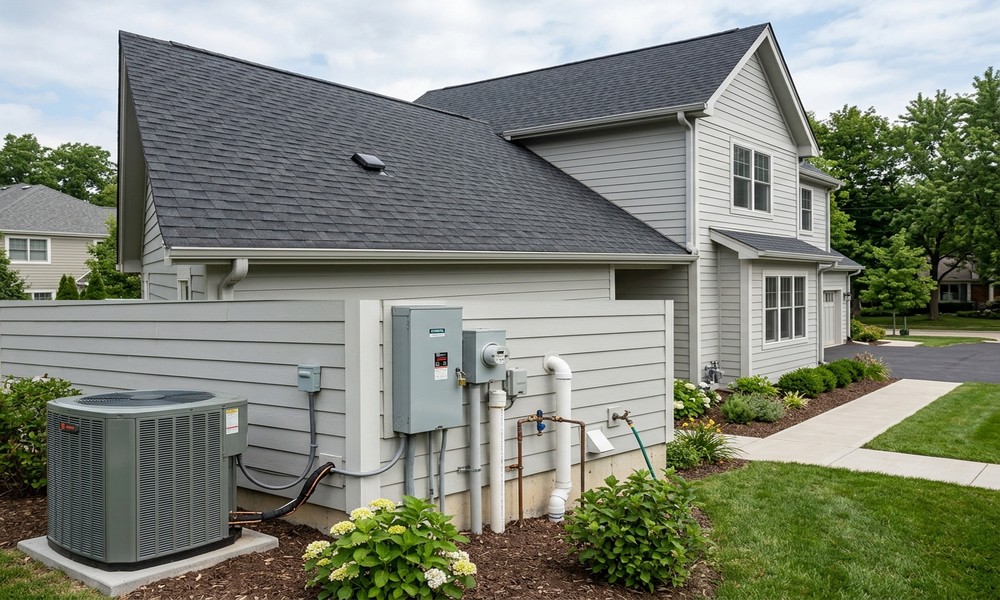
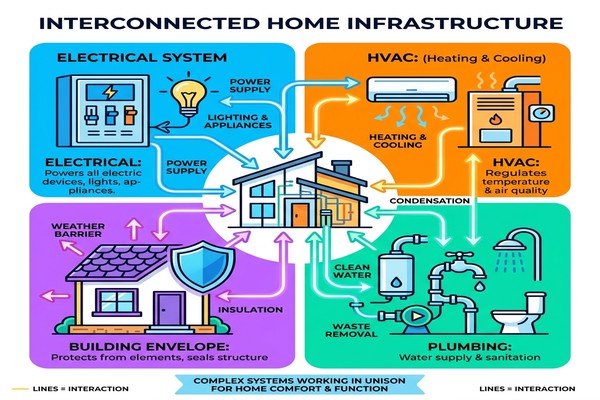
Every home, regardless of its age or style, relies on a handful of fundamental systems to function safely and comfortably. These are often referred to as the “core four”: electrical, heating/cooling (HVAC), plumbing, and the building envelope (including roofing and foundation). Understanding these interconnected systems is paramount for any homeowner. They work in concert to provide power, regulate temperature, deliver clean water, remove waste, and protect against the elements. A problem in one system can often impact others, highlighting the importance of a holistic approach to home maintenance. Beyond these, we also consider the structural integrity and the building envelope as critical components, ensuring your home stands strong and remains protected from external factors.
To illustrate the importance of these systems, let’s consider their typical lifespans and the general annual maintenance costs associated with them. While these figures can vary widely based on usage, climate, and initial quality, they offer a useful benchmark for planning and budgeting.
| System | Average Lifespan | Estimated Annual Maintenance Cost |
|---|---|---|
| Electrical | 50–100+ years | $100–$300 |
| HVAC (Heating & Cooling) | 10–20 years (AC), 15–20 years (furnace) | $150–$500 (including tune-ups and filters) |
| Plumbing | 40–80+ years | $150–$400 |
| Roofing | 20–50+ years (material dependent) | $100–$500 (including inspections and minor repairs) |
This table demonstrates that while some systems like electrical and plumbing have very long lifespans, they still require regular checks to prevent issues. HVAC and roofing, being exposed to more wear and tear, often have shorter lifespans and higher recurring maintenance needs. Proactive care for each of these systems is not just about fixing problems, but about extending their useful life, optimizing their performance, and preserving your home’s value.
Electrical Infrastructure and Safety
The electrical system is the lifeblood of your modern home, powering everything from lights and appliances to smart devices and security systems. It begins where utility lines connect to your home, passing through a meter that tracks usage, and then into your electrical panel. This panel, often called a breaker box, houses circuit breakers that act as safety valves. When an electrical circuit is overloaded or short-circuits, the breaker “trips,” cutting off power to prevent overheating and potential fires.
Wiring distribution throughout your home carries electricity to outlets, switches, and fixtures. Common problems homeowners encounter include flickering lights, which can indicate loose wiring or an overloaded circuit, and dead outlets, which might be due to a tripped GFCI (Ground Fault Circuit Interrupter) outlet or a wiring issue. GFCI outlets, typically found in kitchens, bathrooms, and outdoor areas, are crucial safety devices designed to protect against electrical shock by quickly cutting power if they detect an imbalance in the electrical current. Regular testing of these outlets is essential. Ensuring your home’s electrical system adheres to current safety codes and has proper grounding systems is vital for preventing hazards and ensuring reliable power. For more insights into common electrical issues, you might find our blog on Trusted Electrical and HVAC Experts helpful.
Plumbing and Water Management
Your home’s plumbing system is a sophisticated network designed to deliver clean, potable water and efficiently remove wastewater. It consists of two primary subsystems: the pressurized fresh water supply and the wastewater drainage system. The fresh water supply brings water into your home, typically separating into hot and cold lines that feed faucets, showers, toilets, and appliances. This system operates under pressure, which is why leaks can quickly become problematic.
The drainage system, on the other hand, relies on gravity. Wastewater flows downward through a series of pipes, vents, traps, and cleanouts, eventually leading to a municipal sewer system or a septic tank. Vents allow air into the drainage pipes, preventing a vacuum that could slow drainage, while traps (the P-shaped bends under sinks) hold a small amount of water to block sewer gases from entering your home.
Neglecting plumbing can lead to significant water waste. An estimated 1 trillion gallons of water are wasted from household leaks in the U.S. every year, highlighting the importance of prompt leak detection. Even a small drip can add up. Regular inspection of faucets, toilets, and pipes for visible leaks or signs of corrosion is a simple but effective preventive measure. Water heaters are another crucial component, and flushing them annually helps remove sediment buildup, which can improve efficiency and extend their lifespan. For homes not connected to municipal services, understanding and maintaining essential well and septic systems is equally vital for ensuring a safe and reliable water supply and waste disposal. More information on these systems can be found by consulting resources like Essential well and septic systems.
Maximizing Efficiency in Heating and Cooling
The HVAC (Heating, Ventilation, and Air Conditioning) system is responsible for maintaining a comfortable indoor climate year-round. It’s a complex setup, but understanding its basic components and how they work can empower you to ensure its efficiency and longevity.
For heating, most homes use a furnace or a heat pump. Furnaces typically have an Annual Fuel Utilization Efficiency (AFUE) rating, with modern, high-efficiency models operating at 90 percent efficiency or more, meaning 90% of the fuel is converted into heat. A furnace’s main components include a burner, heat exchanger, blower motor, and ductwork. The burner heats air, which passes over the heat exchanger, then the blower pushes the warmed air through ducts to registers throughout the house.
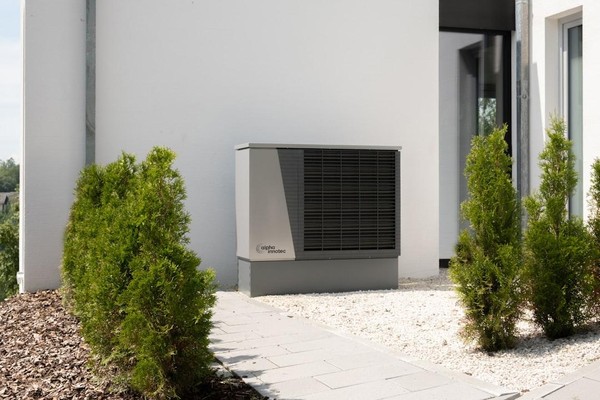
Air conditioning systems operate on a refrigerant cycle, which involves a continuous process of changing refrigerant from liquid to gas and back again to absorb and release heat. Key components include the compressor (which pressurizes the refrigerant), the condenser (where heat is released outdoors), and the expansion valve (which cools the refrigerant before it absorbs indoor heat). When your AC isn’t performing optimally, or you notice unusual sounds, it’s often a sign that a professional should take a look. For expert assistance, consider reaching out for ROMAN Air conditioner repair services.
Regular maintenance is key to maximizing efficiency and preventing costly breakdowns. This includes changing air filters every 1-3 months, which can significantly improve air quality and system performance. In fact, maintenance done regularly can reduce a typical heating or cooling bill by 5-15%. Annual professional tune-ups for both heating and cooling components are also highly recommended to ensure they run at peak efficiency. Our blog on Why HVAC System Needs Regular Maintenance offers more details on this.
Smart Technology for Essential Home Systems
In an increasingly connected world, smart home technologies offer unprecedented control and efficiency for managing essential home systems. Smart thermostats are a prime example, allowing homeowners to program schedules, adjust temperatures remotely via smartphone apps, and even learn household patterns to optimize energy usage. This level of control can lead to significant energy savings, especially for those who spend varying amounts of time at home. Our article on What Smart Thermostats Can Do for Homes explores these benefits further.
Beyond temperature control, smart technologies extend to other critical areas. Leak sensors, placed in high-risk areas like under sinks, near water heaters, or in basements, can detect moisture and send immediate alerts to your phone, potentially preventing extensive water damage. Automated climate control systems can integrate with other smart devices, adjusting ventilation or humidity levels based on real-time indoor air quality readings. Energy usage tracking features provide detailed insights into how much power your HVAC, water heater, and other appliances consume, empowering you to make informed decisions about energy conservation. WiFi-enabled appliances and systems offer convenience and peace of mind, allowing for remote monitoring and adjustments, ensuring your home is always running efficiently and safely. For more on taking control of your home’s comfort, see Taking Control with Smart Thermostat Technology.
Indoor Air Quality and Filtration
While we often focus on temperature, the quality of the air we breathe indoors is equally vital for health and comfort. Surprisingly, indoor air is 5x more polluted than outdoor air, and with people spending an average of 90% of their lives indoors, addressing indoor air quality (IAQ) is crucial.
A key component of improving IAQ is effective filtration. High-efficiency filters, such as MERV 16-rated air filters, are capable of capturing 98% of airborne viruses and other microscopic particles like dust, pollen, pet dander, and mold spores. Regular replacement of these filters is essential to maintain their effectiveness and prevent strain on your HVAC system. Our blog, Making Your Indoor Air Cleaner, provides further tips.
Humidity control also plays a significant role in IAQ. Maintaining a balanced indoor humidity level between 40-60% can inhibit the growth of mold, mildew, and dust mites, while also making your home feel more comfortable and protecting wood furnishings. Systems like those from AprilAire, which offer whole-house dehumidification, can deliver 23% annual energy savings above conventional products while optimizing humidity. Beyond filtration and humidity, proper ventilation is necessary to bring in fresh outdoor air and expel stale, polluted indoor air. Air purifiers, specialized devices that remove contaminants from the air, can further enhance your home’s health by targeting specific pollutants. You can learn more about this in our article on Air Purifiers Against Indoor Pollutants.
Protecting the Building Envelope: Roofing and Exterior Care
The building envelope, encompassing your roof, walls, windows, and foundation, is your home’s first line of defense against the elements. Among these, the roof is arguably the most critical. It protects everything beneath it from rain, snow, wind, and sun, making its integrity paramount.
Regular inspections of your roof are essential to check for missing or damaged shingles, cracks, or signs of deterioration. Flashing, the metal strips installed around chimneys, vents, and skylights, must be intact to prevent water penetration. Proper attic ventilation is also crucial for roof longevity and overall home efficiency. It helps regulate attic temperature, preventing heat buildup in summer and moisture accumulation in winter, which can lead to ice dams. Ice dams occur when melting snow refreezes at the colder eaves, creating a barrier that prevents proper drainage and forces water under shingles, potentially causing significant interior damage. Moisture barriers beneath your roofing materials also play a vital role in preventing water infiltration. Understanding the components and maintenance of essential home roof systems can significantly extend the life of your roof and protect your investment. Resources like essential home roof systems can provide further expertise on this crucial aspect of home protection.
Gutter Systems and Drainage
Closely tied to roof maintenance are your home’s gutter systems and overall property drainage. Gutters and downspouts are designed to collect rainwater from your roof and divert it safely away from your home’s foundation. When gutters become clogged with leaves, twigs, and other debris, they can’t perform their function effectively. This can lead to a host of problems, including:
- Foundation Erosion: Overflowing gutters can saturate the soil around your foundation, leading to erosion and potentially compromising its structural integrity.
- Fascia Rot: Water backing up in clogged gutters can seep into the fascia boards (the flat boards behind the gutters), causing wood rot and attracting pests.
- Basement Flooding: Water pooling around the foundation can find its way into your basement or crawl space.
- Landscape Damage: Uncontrolled runoff can wash away landscaping and create unsightly trenches.
Seasonal debris removal, especially in spring and fall, is crucial for clog prevention. Ensure downspouts are properly positioned to direct water at least several feet away from the foundation. Consider installing gutter guards to minimize debris accumulation, though these still require occasional checks. Proper rainwater diversion is not just about keeping your home dry; it’s about protecting its long-term structural health.
A Strategic Approach to Maintenance and Budgeting
Effective home maintenance isn’t about reacting to emergencies; it’s about a strategic, proactive approach that saves money and stress in the long run. A widely accepted guideline suggests budgeting 1-4% of your home’s value per year for maintenance. For a $300,000 home, this translates to roughly $3,000-$12,000 annually. While this might seem like a substantial sum, it covers everything from routine upkeep to anticipated repairs and replacements, helping you avoid unexpected financial burdens.
To manage this effectively, we recommend breaking down tasks into manageable intervals:
- Monthly Tasks: These are quick checks that can prevent minor issues from escalating. Examples include testing smoke and carbon monoxide detectors, replacing HVAC filters (especially with pets or allergies), and inspecting plumbing for visible leaks.
- Quarterly Inspections: These involve slightly more detailed checks, such as testing GFCI outlets, cleaning garbage disposals, and checking for pest activity.
- Seasonal Transitions: Preparing your home for changing weather is crucial. This includes cleaning gutters in spring and fall, scheduling professional HVAC tune-ups (AC in spring, furnace in fall), and winterizing outdoor plumbing to prevent frozen pipes.
Adopting a routine maintenance schedule not only preserves your home’s systems but also contributes to its overall efficiency and safety. Regular upkeep can prevent costly breakdowns, extend the lifespan of appliances, and maintain your home’s aesthetic appeal and market value. Our article on Year-Round HVAC Care Made Simple provides a comprehensive approach to seasonal maintenance.
Critical Safety Devices and Checks
Beyond the operational efficiency of your home systems, ensuring the safety of your household is paramount. Several critical devices and regular checks are essential for protecting your family from common household hazards.
- Smoke Detectors: These life-saving devices should be installed on every level of your home, inside and outside sleeping areas. Test them monthly by pressing the test button and replace batteries twice a year (a good reminder is when you change clocks for daylight saving). Replace the entire unit every 10 years.
- Carbon Monoxide (CO) Sensors: CO is an odorless, colorless, and lethal gas produced by burning fuels. Install CO detectors near sleeping areas and on every level. Test them monthly and replace units every 5-7 years.
- Fire Extinguishers: Keep at least one multi-purpose (ABC-rated) fire extinguisher on each floor, especially in the kitchen and garage. Know how to use them and check the pressure gauge monthly.
- Dryer Vent Cleaning: Dryer lint buildup is a leading cause of house fires. Clean your dryer’s lint trap after every load and have the dryer vent duct professionally cleaned at least once a year, or more often if drying times increase significantly. This simple task drastically reduces fire risk.
- GFCI Outlets: As mentioned earlier, these outlets protect against electrical shock. Test them quarterly by pressing the “test” button, which should trip the breaker, then pressing “reset” to restore power.
These safety measures are not optional; they are fundamental to creating a secure living environment. Regular checks take minimal time but offer maximum peace of mind.
Long-Term Value of Essential Home Systems Upgrades
Investing in upgrades to your essential home systems during renovations offers significant long-term value that extends far beyond aesthetics. This “whole-house systems approach” views your home as an interconnected entity where improvements in one area can positively impact others, leading to enhanced energy efficiency, increased comfort, and a higher property appraisal. The Department of Energy emphasizes this approach, explaining that Whole-House Systems are designed and built with careful planning and attention to detail.
- Renovation ROI: While cosmetic renovations often yield good returns, upgrades to HVAC, electrical, and plumbing systems can provide a substantial return on investment through reduced utility bills and increased buyer appeal. Energy-efficient upgrades, such as high-AFUE furnaces, ENERGY STAR® rated windows, or tankless water heaters, directly translate into lower operating costs for homeowners.
- Property Appraisal and Future-Proofing: A home with modern, well-maintained, and efficient systems is more attractive to potential buyers and commands a higher market value. Upgrading these systems effectively “future-proofs” your home, ensuring it meets contemporary safety standards and can handle the demands of future technologies.
- Sustainable Materials: Incorporating sustainable and durable materials during upgrades not only benefits the environment but also reduces the need for frequent repairs and replacements, contributing to the long-term resilience of your home. This holistic view ensures that your renovation budget is spent wisely, creating a home that is not only beautiful but also robust, efficient, and valuable for years to come.
Frequently Asked Questions about Home Maintenance
Homeowners often have similar questions when it comes to maintaining their essential systems. Here are some of the most common inquiries we encounter:
What are the signs that a major home system is failing?
Recognizing the early warning signs of system failure can save you from costly emergencies. For your HVAC system, look for unusual noises (grinding, banging, squealing), inconsistent temperatures across rooms, a sudden spike in energy bills, or a system that cycles on and off too frequently. Plumbing issues often manifest as visible leaks, reduced water pressure, slow drains, discolored water, or strange noises coming from pipes or water heaters (like popping or rumbling, indicating sediment buildup). Electrical problems might include flickering lights, frequently tripped circuit breakers, outlets that don’t work, or a persistent burning smell. For your roof, signs of trouble include missing or cracked shingles, water stains on ceilings or walls, granules in gutters, or a sagging roofline. Addressing these signs promptly with professional help can prevent minor issues from escalating into major repairs.
How often should I schedule professional inspections?
While many maintenance tasks can be handled by homeowners, professional inspections are crucial for comprehensive system health. We recommend:
- HVAC Systems: Annual professional tune-ups for both your heating (fall) and cooling (spring) components. This ensures optimal performance, efficiency, and can catch small issues before they become major breakdowns. Our blog, Efficiency with Regular HVAC Contractor Visits, highlights the benefits.
- Roofing: A visual inspection twice a year (spring and fall) by the homeowner is a good practice. However, a professional roof assessment should be scheduled every 3 years, or immediately after a severe storm, to identify subtle damage or wear.
- Plumbing: While ongoing homeowner checks are important, consider a professional plumbing inspection every 2-5 years, especially for older homes, to check for hidden leaks, pipe corrosion, or water heater issues.
- Electrical: An electrical system inspection is advisable every 5-10 years, or if you’re experiencing frequent issues or are planning major appliance installations.
- Safety Devices: Test smoke and CO detectors monthly, and replace their batteries twice a year. Test GFCI outlets quarterly.
These professional checks provide a deeper dive into the health of your systems, ensuring they operate safely and efficiently.
How can I prevent frozen pipes during winter?
Frozen pipes are a common and potentially devastating winter problem, leading to burst pipes and extensive water damage. Here’s how to prevent them:
- Insulate Exposed Pipes: Wrap pipes in unheated areas (basements, crawl spaces, attics, garages) with pipe insulation sleeves.
- Drip Faucets: During extreme cold, allow a slow drip from both hot and cold faucets, especially those on exterior walls. Moving water is less likely to freeze.
- Open Cabinets: Open kitchen and bathroom cabinet doors on exterior walls to allow warmer indoor air to circulate around the plumbing.
- Maintain Thermostat Minimums: If you’re going away, keep your thermostat set to at least 55°F (13°C) to ensure your home’s interior remains warm enough to prevent pipes from freezing.
- Disconnect Outdoor Hoses: Disconnect and drain all garden hoses before winter. Close off interior shut-off valves leading to outdoor spigots and drain the spigots themselves.
- Seal Air Leaks: Seal cracks and openings in your home’s foundation and exterior walls, especially near pipes, to prevent cold air from reaching them.
Taking these proactive steps can significantly reduce the risk of frozen and burst pipes, saving you from a costly and messy ordeal.
Conclusion
Maintaining your home’s essential systems is an ongoing journey, but one that yields significant rewards. By adopting a proactive mindset and understanding the fundamental workings of your electrical, HVAC, plumbing, and roofing systems, you empower yourself to protect your investment, enhance your comfort, and ensure the safety of your loved ones.
Prioritizing regular maintenance, from monthly checks to annual professional inspections, is not merely a chore but a strategic decision that extends the lifespan of your home’s critical components and prevents minor issues from escalating into expensive emergencies. Integrating smart home technologies can further streamline this process, offering convenience and greater control over your home’s efficiency.
You don’t have to tackle every challenge alone. Professional consultation for complex issues, annual tune-ups, or major upgrades is an invaluable resource. By combining diligent homeowner care with expert assistance, you foster a resilient home that stands the test of time, providing a safe, comfortable, and efficient sanctuary for years to come.
