

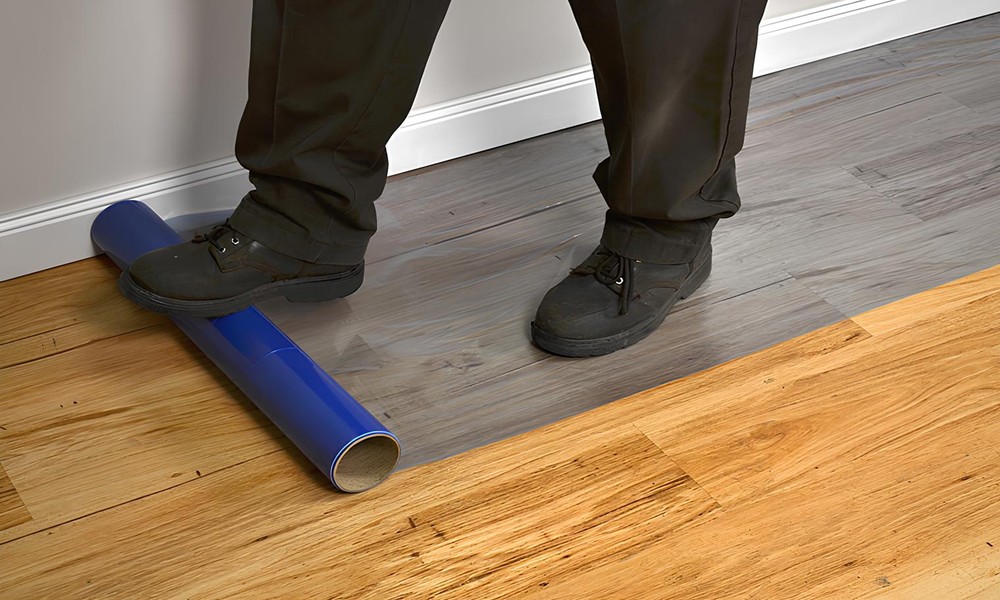
During renovation projects, hardwood floors are highly vulnerable to scratches, dents, moisture damage, and contamination. Even brief construction work can cause expensive damage or lasting defects if surfaces aren’t properly protected.
This guide outlines practical strategies to safeguard hardwood floors throughout renovation.
1. Start with Thorough Cleaning
Before applying any protective materials, ensure the floor surface is clean and free from dust, debris, or sharp particles. Small grit left on the surface can act like sandpaper when stepped on, causing micro-scratches. Sweep, vacuum, or use a microfiber mop to prepare the area. A clean surface also helps protective coverings adhere better and perform effectively.
2. Choose the Right Protective Materials
Floor protection products vary significantly in quality and performance. Selecting the right material depends on the renovation intensity, duration, and type of work being performed.
Common options include:
- Temporary Protective Films: Ideal for short-term projects, these films adhere directly to the floor surface and provide a barrier against scratches, paint spills, and dust. High-quality films leave no residue upon removal.
- Corrugated Cardboard or Floor Protection Board: Suitable for heavy-duty construction, these materials offer impact resistance against dropped tools and equipment.
- Non-woven Fabric or Felt Rolls: These provide cushioning and are often combined with waterproof backing for added protection.
- Plastic Sheeting: Effective for preventing moisture and paint spills, but should be used with caution as it can trap condensation if it is not breathable.
For best results, combine layers-for example, a temporary protective film directly on the floor with a rigid board on top for heavy traffic areas.
3. Focus on High-Traffic Zones
Certain areas, such as entryways, hallways, and work zones, are more prone to damage due to constant foot traffic and material movement. Reinforce these zones with thicker or double-layer protection. Consider using anti-slip coverings to reduce the risk of accidents while maintaining floor safety.
4. Prevent Moisture Damage
Moisture poses one of the greatest risks to hardwood flooring. During renovation, water from cleaning, painting, or environmental humidity can seep into the wood, causing warping or staining.
Key precautions:
- Use waterproof or moisture-resistant protective layers
- Avoid taping directly onto the wood surface-use low-adhesion tapes or edge-secured coverings
- Ensure proper ventilation to reduce humidity buildup
- Immediately wipe up any spills
5. Secure the Protection Properly
Loose or shifting protective materials can do more harm than good. Movement can trap debris underneath or create friction that damages the floor.
- Use breathable tapes along the edges (not directly on delicate finishes)
- Overlap materials to avoid exposed gaps
- Regularly inspect and adjust coverings during the project
Proper installation ensures consistent protection throughout the renovation process.
6. Protect Against Heavy Equipment
Renovation often involves ladders, toolboxes, and heavy machinery. These can easily dent or crack hardwood floors if not properly managed.
- Place load-distributing boards under heavy equipment
- Use rubber pads or foam under ladder legs
- Avoid dragging tools or materials across the floor
These preventive measures greatly minimize the chance of impact-related damage.
7. Maintain Protection Throughout the Project
Protection is not a one-time task. During renovation, coverings can wear out, shift, or become saturated with dust and debris.
- Inspect protective layers daily
- Replace damaged or worn-out sections promptly
- Keep the surface clean to prevent buildup underneath
Consistent maintenance ensures ongoing protection from start to finish.
8. Remove Protection Carefully
Once the renovation is complete, remove all protective materials with care. Peel floor protective films slowly at a consistent angle to avoid adhesive residue or surface stress. If residue is left behind, remove it using cleaning solutions approved by the floor manufacturer.
Conclusion
Protecting hardwood floors during renovation is not just about preserving aesthetics-it’s about avoiding costly repairs and maintaining long-term value.
By choosing the right materials, focusing on high-risk areas, controlling moisture, and maintaining protection throughout the project, you can ensure your floors remain in excellent condition.
