

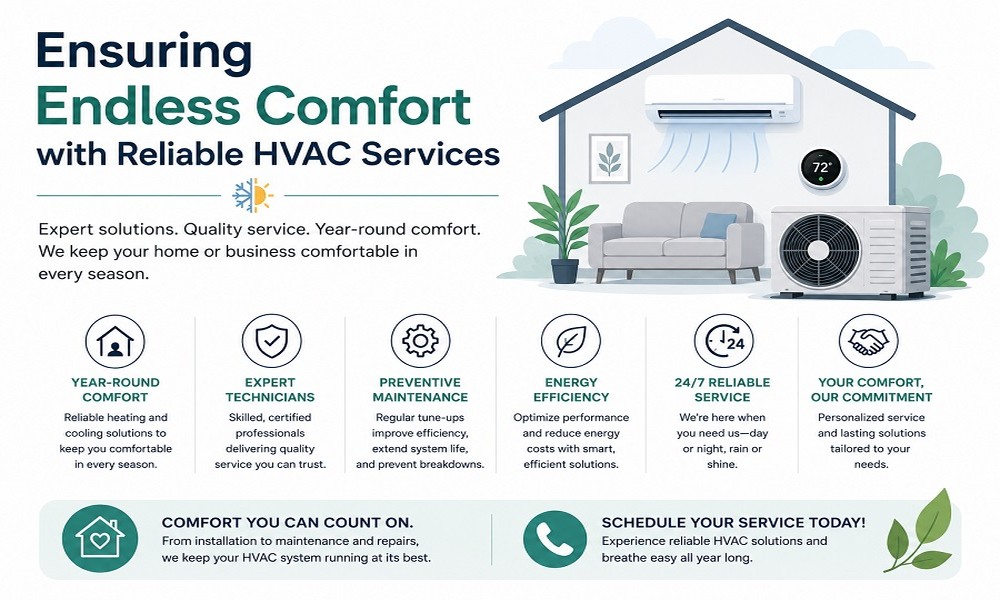
Ensuring Endless Comfort with Reliable HVAC ServicesWhy Heat Pumps Struggle in the Puyallup Climate
Puyallup’s climate, with its distinct seasons, presents unique challenges for heat pump performance. While these systems are highly efficient, they operate by extracting heat from the outdoor air, even when it feels cold. However, as outdoor temperatures drop, the amount of available heat energy decreases, requiring the heat pump to work much harder.
We often see temperatures in Puyallup dip below freezing during winter. Statistics show that heat pumps can lose significant efficiency, sometimes up to 100%, when outdoor temperatures fall below 30 degrees Fahrenheit. This critical 30-degree threshold means that while your heat pump is still technically operating, its ability to adequately heat your home without supplemental assistance diminishes considerably. This is why many heat pump systems are paired with auxiliary heat sources, like electric resistance coils, to kick in when the primary heat pump struggles.
Another common issue in our region is frost and ice buildup on the outdoor unit. When the outdoor coil gets colder than the ambient air, condensation can freeze. Heat pumps are equipped with a defrost cycle to manage this, but persistent cold and high humidity, which is common in Western Washington, can overwhelm this function. If the defrost cycle isn’t working correctly, or if the unit is constantly freezing, it severely impacts its ability to transfer heat indoors.
Furthermore, the proximity to Puget Sound means that salt air can contribute to accelerated corrosion of outdoor coils over time. This corrosion can reduce the coil’s ability to efficiently transfer heat, making the system work harder and potentially leading to premature component failure.
Maintaining Reliable Heating and Cooling in Cold Snaps
During cold snaps, the outdoor coils are particularly vulnerable. When snow accumulates around the outdoor unit, it can block airflow, preventing the heat pump from effectively drawing heat from the air. This blockage forces the system to run longer and less efficiently, or worse, to rely entirely on its less efficient auxiliary heat. We always advise homeowners to keep the area around their outdoor unit clear of snow, leaves, and other debris to ensure optimal heat transfer.
If your heat pump is struggling to keep up with the cold, it might switch into “emergency heat” or “auxiliary heat” mode more frequently. These modes typically use electric resistance heating, which consumes significantly more electricity than the heat pump’s normal operation. While necessary for maintaining comfort in very cold weather, an over-reliance on auxiliary heat can lead to noticeably higher energy bills. Understanding when your system is in these modes and ensuring they only engage when truly needed is part of proactive system management.
Ensuring Reliable Heating and Cooling Through Professional Diagnosis
When your heat pump isn’t heating, a systematic approach to diagnosis is crucial. While some initial checks can be performed by homeowners, many issues require the expertise of a professional.
Firstly, we always recommend checking the basics:
- Thermostat Settings: Ensure your thermostat is set to “Heat” mode and the temperature is higher than the current room temperature. Also, check that the fan setting is on “Auto” rather than “On,” as “On” can circulate cool air continuously, making your home feel colder.
- Circuit Breakers: A tripped circuit breaker is a common culprit. Check your electrical panel for any tripped breakers associated with your heat pump, both for the indoor and outdoor units.
- Air Filters: A clogged or dirty air filter severely restricts airflow, making your heat pump work harder and reducing its heating capacity. A clean filter is essential for efficient operation.
If these basic checks don’t resolve the issue, professional diagnosis becomes necessary. Our technicians utilize specialized diagnostic tools to pinpoint the root cause of the problem. This includes:
- Visual Inspection: A thorough visual check for obvious damage, blockages, or unusual wear on components.
- System Testing: Using advanced equipment to test refrigerant pressure levels, electrical connections, motor functions, and the operation of critical components like the reversing valve.
- Performance Monitoring: Observing the system’s operation under various conditions to identify subtle anomalies that might not be immediately apparent.
Here are common signs that indicate your heat pump needs professional repair:
- Blowing Cold Air: If your heat pump is running but only blowing cool or lukewarm air when set to heat.
- Unusual Noises: Grinding, screeching, rattling, or buzzing sounds that are not part of normal operation.
- Frequent Cycling (Short Cycling): The unit turns on and off too frequently without adequately heating the space.
- Ice Buildup: Excessive ice on the outdoor unit that doesn’t melt during the defrost cycle.
- High Energy Bills: A sudden and unexplained increase in your electricity bill, even if the system seems to be running.
- Uneven Heating: Some rooms are warm, while others remain cold, indicating distribution or capacity issues.
- System Not Turning On: The heat pump is completely unresponsive when you adjust the thermostat.
Essential Components Responsible for Heat Pump Performance
Understanding the key components of your heat pump can help you grasp why it might not be heating.
- Reversing Valve: This is the brain of your heat pump, responsible for switching the flow of refrigerant to allow for both heating and cooling. If this valve malfunctions or gets stuck, your system might remain in cooling mode even when you’ve selected heat, or vice versa.
- Compressor: The heart of the system, the compressor circulates refrigerant and builds pressure. A failing compressor can drastically reduce the heat pump’s ability to transfer heat.
- Auxiliary Coils: These electric resistance coils provide supplemental heat when the outdoor temperature is too low for the heat pump to efficiently extract heat or when a quick boost of warmth is needed. If these coils fail, your system might struggle in cold weather.
- Blower Motor: Located in the indoor unit, the blower motor pushes the heated air through your home’s ductwork. A malfunctioning blower motor can lead to weak airflow or no air circulation at all, meaning heat isn’t effectively distributed.
- Electrical Connections and Capacitors: Heat pumps rely on a complex network of electrical components. Faulty wiring, a blown fuse, or a failing capacitor (which helps start motors) can prevent the unit from turning on or operating correctly. Short cycling, where the unit turns on and off rapidly, can often be linked to electrical issues or a malfunctioning thermostat.
To help you distinguish between normal operation and potential problems, here’s a comparison of common heat pump sounds:
Normal System Sounds Mechanical Failure Noises Gentle hum of the outdoor fan Loud grinding or screeching (motor or bearings) Whooshing sound during defrost cycle Persistent buzzing (electrical fault, loose components) Clicking as unit starts/stops Rattling or banging (loose parts, fan hitting something) Water dripping during defrost or cooling Gurgling (refrigerant issues) Air moving through vents Hissing (refrigerant leak) The Role of Refrigerant in Reliable Heating and Cooling
Refrigerant is the lifeblood of your heat pump, playing a fundamental role in its ability to heat and cool your home. It’s the medium that absorbs and releases heat as it cycles through the indoor and outdoor coils. In heating mode, the refrigerant absorbs heat from the outdoor air, gets compressed to increase its temperature, and then releases that heat into your home through the indoor coil.
If your heat pump is low on refrigerant, its ability to effectively transfer heat is severely compromised. This isn’t a consumable that “runs out” like fuel; a low refrigerant level almost always indicates a leak somewhere in the system. Leaks can occur due to wear and tear, corrosion, or improper installation. Signs of low refrigerant include reduced heating capacity, ice forming on the outdoor coil, and the system running almost continuously without reaching the desired temperature.
Diagnosing a refrigerant leak requires specialized tools and expertise to precisely locate the leak, repair it, and then properly recharge the system to the manufacturer’s specifications. This process is critical not only for restoring your heat pump’s heating function but also for environmental protection, as refrigerants are potent greenhouse gases. Ensuring your system is properly sealed and charged is part of Crafting reliable heating/cooling for your home. Components like suction and discharge valves are crucial here, as they control the flow and pressure of the refrigerant. Malfunctions in these valves can lead to incorrect pressure levels, impacting efficiency and potentially causing leaks.
Homeowner Maintenance to Prevent Heating Failures
While professional service is essential for complex issues, homeowners in Puyallup can perform several routine maintenance tasks to prevent heating problems and ensure their heat pump operates efficiently.
- Filter Changes: This is perhaps the simplest yet most effective maintenance task. We recommend checking your air filter monthly and replacing it every 1 to 3 months, or more frequently if you have pets or allergies. A clean filter ensures optimal airflow, which is critical for both heating efficiency and indoor air quality.
- Debris Removal: Regularly inspect your outdoor unit and clear away any leaves, grass clippings, dirt, or other debris that can accumulate around the coils and fan. Blockages restrict airflow, forcing your unit to work harder. In winter, ensure snow is cleared away from the unit.
- Thermostat Calibration: If you have an older, non-programmable thermostat, ensure it’s accurately calibrated. For smart thermostats, ensure settings are correct and that the device is receiving power.
- Annual Tune-ups: Schedule an annual professional tune-up for your heat pump. If your system provides both heating and cooling year-round, a biannual service is even better. During these visits, technicians will clean coils, check refrigerant levels, inspect electrical connections, lubricate moving parts, and identify potential issues before they become major problems.
- Condensate Drain Cleaning: The condensate drain line can become clogged with algae and mold, leading to water backup and potential system shutdown. Periodically pour a cup of distilled vinegar down the condensate drain to help prevent clogs.
- Coil Fin Inspection: Over time, the delicate aluminum fins on your outdoor coil can bend, impeding airflow. While professional technicians have specialized tools to straighten these, you can gently inspect them for significant damage and consider professional service if many are bent.
Proactive maintenance not only helps prevent unexpected heating failures but also extends the lifespan of your heat pump, improves its energy efficiency, and ensures consistent comfort in your Puyallup home.
Frequently Asked Questions about Heat Pump Diagnosis in Puyallup
Why is my heat pump blowing cold air when it’s set to heat?
This is a common and frustrating issue for homeowners. Several factors can cause your heat pump to blow cold air in heating mode:
- Incorrect Thermostat Settings: The most straightforward cause. Ensure your thermostat is set to “Heat” and the fan is on “Auto.” If the fan is set to “On,” it will run continuously, circulating air that might feel cool if the heat pump isn’t actively heating. Also, double-check that the set temperature is higher than the current room temperature.
- Reversing Valve Failure: As discussed, the reversing valve is crucial for switching between heating and cooling. If it’s stuck in cooling mode or malfunctioning, your heat pump will essentially be trying to cool your home even when you’ve selected heat.
- Defrost Mode: Heat pumps periodically enter a defrost cycle to melt ice from the outdoor coil. During this time, the system temporarily switches to cooling mode (to warm the outdoor coil) and the indoor fan might stop or blow cool air. This is normal and usually lasts 5-15 minutes. If it lasts longer or happens too frequently, there might be an issue with the defrost sensor or board.
- Low Refrigerant: Insufficient refrigerant means the system cannot effectively absorb heat from outside or release it inside. This results in weak heating and often causes the outdoor coil to freeze over.
- Auxiliary Heat Not Engaging: If your main heat pump is struggling in very cold weather, the auxiliary heat should kick in. If it’s not engaging due to electrical issues or a faulty component, your system will struggle to provide adequate warmth.
Here are some common thermostat errors to check:
- Incorrect mode selection (Cool vs. Heat)
- Fan set to “On” instead of “Auto”
- Low or dead batteries (for battery-powered thermostats)
- Incorrect time/date settings affecting programming
- Loose wiring connections to the heat pump
Can I fix a frozen heat pump myself?
While it’s tempting to tackle a frozen heat pump, direct intervention by a homeowner can be risky and often ineffective.
- Ice Buildup: A small amount of frost on the outdoor coil is normal, especially in cold, humid weather, and should be handled by the unit’s defrost cycle. However, if the entire outdoor unit is encased in a thick layer of ice, or if ice persists for more than a few hours, it indicates a problem.
- Causes of Freezing: Common reasons for excessive freezing include low refrigerant levels (which causes the coil to get too cold), restricted airflow (due to dirty filters or blockages), a malfunctioning defrost sensor or board, or a faulty outdoor fan motor.
- What NOT to do: Never try to chip away ice with sharp objects, as you could damage the delicate coils or refrigerant lines. Do not pour hot water on the unit, as this can create thermal shock and damage components.
- What you CAN do: Ensure your air filter is clean and that there are no obstructions around the outdoor unit. You can turn off the heat pump at the thermostat and allow the ice to melt naturally. If the problem recurs, it’s a clear sign that professional diagnosis is needed to address the underlying cause, whether it’s a refrigerant leak, a sensor malfunction, or another issue.
When should I consider replacing my heat pump instead of repairing it?
Deciding between repair and replacement is a common dilemma for homeowners. We recommend considering the following factors:
- System Age: Most heat pumps have a lifespan of 12-15 years. If your system is approaching or has exceeded this age, replacement often makes more financial sense than investing in significant repairs. Older units are also less energy-efficient.
- The “50% Repair Rule”: A general guideline is that if the cost of a repair is 50% or more of the cost of a new heat pump installation, replacement is usually the more cost-effective long-term solution. This is especially true for major component failures like a compressor.
- Frequent Breakdowns: If your heat pump requires frequent repairs, the cumulative cost can quickly outweigh the investment in a new, more reliable system. Constant breakdowns also lead to inconsistent comfort and frustration.
- Energy Efficiency Gains: Modern heat pumps are significantly more energy-efficient than older models. Replacing an aging unit can lead to substantial savings on your monthly utility bills, making the upfront investment worthwhile over time.
- Long-Term Home Plans: If you plan to stay in your Puyallup home for many years, investing in a new, efficient heat pump will provide greater comfort, reliability, and energy savings. If you’re planning to move soon, a major repair might be sufficient, but a new system can also be a selling point.
A professional assessment can provide a detailed cost-benefit analysis, helping you make the best decision for your home and budget.
Conclusion
Ensuring your heat pump provides consistent, reliable heating in Puyallup, WA, especially as we navigate through May 2026 and look towards future winters, is paramount for home comfort and energy efficiency. From understanding how our unique climate impacts your system to recognizing the signs of a struggling unit, proactive care and informed decision-making are key.
Whether it’s a simple filter change or a complex repair involving the reversing valve or refrigerant levels, addressing issues promptly can significantly impact your system’s longevity and overall indoor air quality. By staying vigilant with homeowner maintenance and knowing when to call on professional expertise, we can ensure your heat pump continues to deliver the consistent comfort your home deserves. Investing in your heat pump’s health means investing in your home’s enduring warmth and efficiency.
