

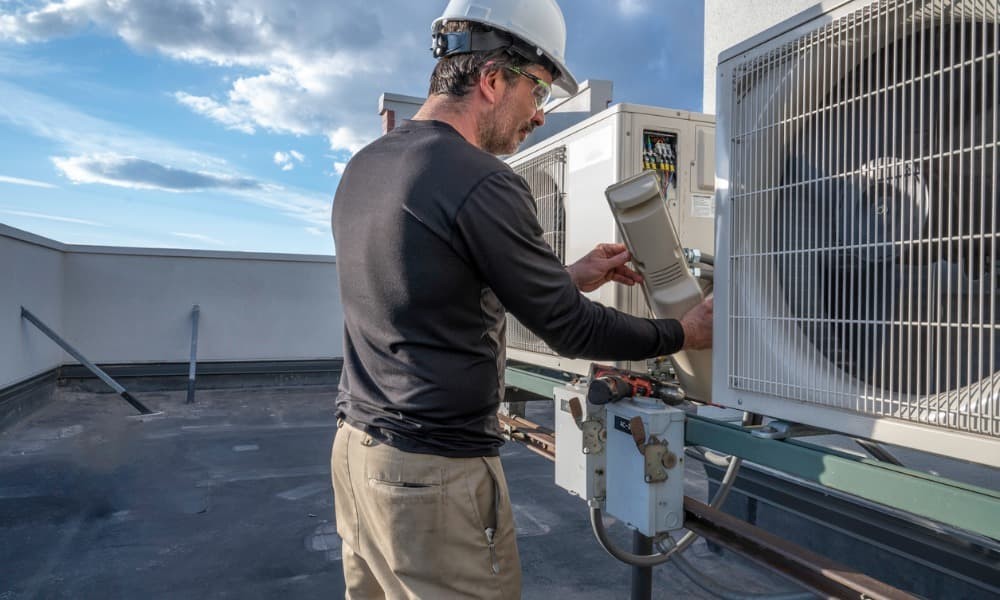
Modern homeowners are placing greater emphasis on energy efficiency, flexible design, and long-term cost savings. As a result, heating and cooling solutions have evolved rapidly, offering alternatives that are both practical and adaptable. Among these options, ductless air conditioning has gained significant attention for its simplicity and performance.
Many households are now exploring ductless AC systems as a viable option for maintaining indoor comfort without the complexity of traditional ductwork. These systems promise convenience, energy efficiency, and a more tailored approach to cooling—but are they truly worth the investment in 2026? This guide explores the key factors to help you make an informed decision.
What Are Ductless AC Systems?
Ductless air conditioning systems, often referred to as mini-split systems, operate without the need for extensive ductwork. Instead, they consist of an outdoor unit connected to one or more indoor units that deliver cooled air directly into specific areas.
Unlike central air systems that distribute air through ducts, ductless units allow you to control temperatures in individual rooms or zones. This design makes them particularly suitable for modern homes where flexibility and efficiency are priorities.
Their compact structure also means they can be installed in places where traditional systems would be impractical, such as older properties, extensions, or converted lofts.
Why Modern Homes Are Choosing Ductless Solutions
In 2026, home design trends are shifting towards open-plan living, minimalism, and smart technology integration. These changes have made traditional HVAC systems less appealing in certain scenarios.
Ductless systems align well with these modern requirements. They eliminate the need for bulky ductwork, preserve interior aesthetics, and offer greater control over energy use. Homeowners can adjust cooling levels room by room, which reduces unnecessary energy consumption.
Additionally, many new builds and renovations prioritise sustainability. Systems that use less energy while delivering effective performance naturally become more attractive.
Key Benefits of Ductless AC Systems
There are several advantages that explain the growing popularity of ductless systems in contemporary homes.
Energy Efficiency
One of the most notable benefits is improved energy efficiency. Traditional duct systems can lose a significant amount of energy through leaks or poor insulation. By contrast, ductless systems deliver air directly into rooms, minimising energy waste.
This efficiency can translate into lower electricity bills over time, especially in homes where cooling needs vary from room to room.
Flexible Installation
Ductless systems are easier to install compared to central air conditioning. Without the need for extensive ductwork, installation is quicker and less disruptive.
This flexibility makes them ideal for:
- Older homes without existing ducts
- Home extensions or renovations
- Flats and smaller living spaces
- Rooms with unique layouts
Zoned Comfort Control
With ductless systems, each indoor unit operates independently. This means you can set different temperatures for different rooms based on usage and preference.
For example, bedrooms can remain cooler at night while living areas are adjusted during the day. This level of control enhances comfort while preventing unnecessary energy use.
Improved Indoor Air Quality
Traditional ducts can accumulate dust, allergens, and debris over time. Ductless systems reduce this risk since there is no ductwork involved.
Many models also include advanced filtration features, which can help maintain cleaner indoor air—a valuable benefit for households concerned about air quality.
Potential Drawbacks to Consider
While ductless systems offer clear advantages, they are not without limitations.
Initial Cost
The upfront cost of installing a ductless system can be higher than some traditional options, particularly if multiple indoor units are required. However, this cost is often offset over time through energy savings.
Aesthetic Considerations
Indoor units are visible within the room, which may not appeal to everyone. Although modern designs are sleek and unobtrusive, they are still more noticeable than hidden duct vents.
Maintenance Requirements
Regular maintenance is essential to keep the system functioning efficiently. Filters need to be cleaned periodically, and professional servicing may be required to ensure long-term performance.
Are They Suitable for Every Home?
Ductless air conditioning is not a one-size-fits-all solution. Its suitability depends on the layout, size, and specific needs of the property.
Homes with existing ductwork in good condition may not benefit as much from switching systems. However, for properties without ducts—or where installing ducts would be costly or impractical—ductless systems provide a strong alternative.
They are also particularly effective in homes where certain areas require more cooling than others, allowing for a customised approach to comfort.
When Do Ductless Systems Make the Most Sense?
There are specific situations where ductless systems offer clear advantages over traditional setups.
- Home renovations:Ideal for upgrading comfort without major structural changes
- Room additions:Provides efficient cooling without extending existing ductwork
- Energy-conscious households:Supports reduced energy consumption
- Older properties:Eliminates the need for intrusive installations
In these scenarios, ductless AC systems often prove to be both practical and cost-effective.
Long-Term Value and Cost Considerations
When evaluating whether ductless systems are worth it, it is important to look beyond the initial investment. Long-term value plays a crucial role.
Energy savings, reduced maintenance issues related to ductwork, and improved comfort can all contribute to overall cost efficiency. Over time, these factors may outweigh the higher upfront expense.
Additionally, as energy efficiency standards continue to evolve, systems that minimise consumption are likely to remain a smart investment for future-proofing your home.
Conclusion
Ductless air conditioning has become a compelling option for modern homes in 2026, offering a balance of efficiency, flexibility, and comfort. While the initial cost may be higher, the long-term benefits—particularly in energy savings and customised cooling—make it a strong contender for many households.
Ultimately, the decision depends on your home’s layout, budget, and cooling needs. For those seeking a practical, modern solution without the limitations of ductwork, ductless systems present a reliable and forward-thinking choice.
