


Pre-Move Planning: Budgeting, Logistics, and Choosing a Moving Company
The journey of relocating begins long before moving day. Effective pre-move planning is the cornerstone of a smooth transition, setting the stage for a successful home setup. We recommend starting at least eight weeks out, especially if you’re undertaking a long-distance move, as the average cost can range significantly. About 28 million Americans relocate each year, with the peak season typically between May and September, so early planning is crucial to secure resources and avoid premium pricing.
One of the first and most critical tasks is creating a detailed moving timeline and budget. This involves accounting for all potential expenses, from packing supplies and transportation to temporary housing and utility connection fees. Statistics show that the average cost of a long-distance move in the U.S. can range from $4,000 to $10,000, depending on factors like distance and home size. For local moves, professional services might cost between $1,000 and $3,000. It’s wise to allocate an additional 5-10% for unexpected costs or a contingency fund.
Next, focus on decluttering. Moving provides an excellent opportunity to shed items you no longer need, which can significantly reduce your moving costs and simplify unpacking. Go room by room, sorting items into “keep,” “donate,” “sell,” and “discard” piles. This inventory management also helps you assess what needs professional packing or special handling.
When it comes to choosing a moving company, thorough research is paramount. We advise getting at least three written estimates from reputable movers. Verify their licensing and insurance, and check reviews. For interstate moves, ensure they are registered with the Federal Motor Carrier Safety Administration (FMCSA). Hiring professional movers can reduce the risk of damage to belongings by up to 50% compared to DIY moves, making the investment worthwhile for many. For those seeking comprehensive services that extend beyond basic transportation, understanding what a full-service moving company offers can be beneficial. Some providers, like Bernard Movers relocating and setup, specialize in making the entire process, from packing to setup, as seamless as possible.
DIY Moving vs. Professional Moving Services: A Comparison
Feature DIY Moving Professional Moving Services Cost Generally lower upfront; includes truck rental, fuel, packing supplies. Higher upfront; includes labor, truck, fuel, and often insurance. Labor Relies on personal effort, friends, and family. Experienced, trained crew handles all heavy lifting and logistics. Time Commitment Significant time for packing, loading, driving, unloading. Less time required from you; efficient packing and transport. Risk of Damage Higher risk of personal injury or damage to belongings. Lower risk due to professional packing, handling, and insurance options. Convenience Requires extensive coordination and physical exertion. Handles most aspects, reducing stress and physical strain. Special Items May struggle with large, fragile, or specialty items. Expertise in moving pianos, antiques, and other sensitive items. Insurance Homeowner’s insurance may not cover; limited rental truck coverage. Offers various valuation coverage options for belongings. This comparison highlights that while DIY moving can save money, it often comes at the cost of increased time, effort, and risk. For many, the peace of mind and efficiency offered by a professional moving service are invaluable.
Essential Steps for a Seamless Relocating and Home Setup
Once the moving date is set, a critical phase of administrative and security tasks begins. These steps are vital for ensuring your new home is safe, functional, and connected from day one. Over 60% of movers report that setting up utilities and internet before move-in day significantly reduces stress, underscoring the importance of this proactive approach.
1. Transferring Utilities and Services: Contact your current utility providers (electricity, gas, water, internet, trash, sewer) to schedule disconnection at your old address and connection at your new one. Aim to have services activated at your new home a day or two before you arrive to avoid any inconvenience. For internet service, in particular, it’s advisable to book installation as soon as you have a firm move date, as appointments can book out weeks in advance. If you’re concerned about potential power interruptions in your new area, especially if it’s prone to storms, consider exploring options for reliable power. Understanding Protecting Your Home During Power Outages in Texas can offer valuable insights.
2. Updating Your Address: Submit a change of address request with the USPS to ensure your mail is forwarded. However, remember this is a temporary solution. You’ll need to directly update your address with banks, credit card companies, insurance providers, employers, subscription services, and government agencies (DMV for driver’s license and vehicle registration, IRS, voter registration).
3. Securing Your New Home: This is a top priority.
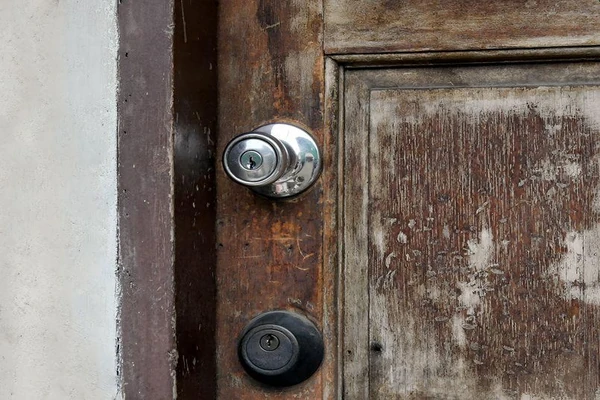
- Change Locks: We highly recommend changing or rekeying all exterior door locks immediately. You never know who might have old copies of keys (previous owners, contractors, realtors).
- Reprogram Garage Door Openers: Similarly, reprogram your garage door remote controls and keypads.
- Test Safety Devices: Check all smoke detectors and carbon monoxide alarms, replacing batteries as needed. Ensure any existing security systems are functional and update passwords or access codes.
- Locate Essential Shut-Offs: Familiarize yourself with the location of your main water shut-off valve, electrical circuit breaker box, and gas shut-off valve. Labeling your circuit breakers if they aren’t already marked will save you headaches later.
By tackling these essential steps proactively, you lay a solid foundation for a stress-free relocation and a secure, comfortable new home.
Day-One Priorities: Unpacking, Room Setup, and Family Integration
The first 24-48 hours in your new home are crucial for establishing a sense of normalcy and comfort. With approximately 40% of movers citing “starting fresh” and “home setup” as top priorities, we’ve developed a strategy to make your initial days efficient and stress-free.
1. Unpack Your First-Night Essentials Box: This specially packed box should contain everything you’ll need for the first night and morning: toiletries, medications, a change of clothes, basic tools, phone chargers, snacks, and important documents. For families, include comfort items for children and pets.
2. Prioritize Key Rooms: Focus on making the most essential rooms functional first.
- Bedroom Setup: Start with the bedrooms. Assemble beds first to ensure everyone has a comfortable place to sleep. Set up basic lighting and window coverings for privacy.
- Bathroom Functionality: Make at least one bathroom fully operational. Unpack towels, toilet paper, soap, and other immediate necessities.
- Minimum Viable Kitchen: Don’t aim for a fully organized kitchen on day one. Instead, create a “minimum viable kitchen” with essentials like coffee maker, basic dishes, utensils, and a few easy-to-prepare meals. This allows for basic sustenance without overwhelming you with unpacking every cabinet.
3. Childproofing and Pet-Proofing: If you’re moving with children or pets, securing the environment is paramount.
- Childproofing: Install safety gates, lock cabinets, cover electrical outlets, and anchor heavy furniture to walls. Ensure all cleaning supplies and hazardous materials are out of reach.
- Pet-Proofing: Create a designated “quiet zone” for your pets with their bed, food, water, and familiar toys. This provides a safe retreat from the chaos of unpacking. Check your new yard for any poisonous plants that could harm curious pets. Maintain their routine as much as possible to minimize stress.
By focusing on these day-one priorities, you can quickly transform your new house into a functional and welcoming home, allowing everyone to settle in with greater ease.
Managing Tech and Comfort: Home Office Relocation and Climate Systems
In June 2026, for many, a home office is more than just a desk; it’s a command center. Relocating it requires careful planning to ensure productivity isn’t disrupted. Simultaneously, establishing a comfortable and efficient climate system is vital for your well-being in your new environment.
1. Home Office Relocation:
- Inventory and Backup: Before disconnecting anything, create a detailed inventory of all your home office equipment. Crucially, back up all data – both to the cloud and an external hard drive.
- Cable Management: Label every cable and take photos of your current setup. This will be invaluable when reconnecting everything. Consider using color-coded labels.
- Professional Assistance: For complex setups or valuable equipment, consider hiring a third-party moving specialist for disassembly and reassembly.
- Ergonomics: Once unpacked, prioritize setting up your ergonomic workspace. A rushed setup can lead to discomfort or strain. Ensure your monitor height, chair, and keyboard position are optimized.
- Internet Access: Plan for internet access at your new location well in advance. Schedule installation or transfer to avoid downtime. Have a backup plan, like a mobile hotspot, in case of delays.
2. Climate Systems and Whole Home Comfort: Your new home’s climate control system is paramount to your comfort and energy efficiency. Whether you’re moving into an existing structure or a new build, understanding and optimizing your HVAC system is a key part of home setup. For those who prioritize superior comfort and advanced climate management, exploring options for High-end home HVAC can be a game-changer. These systems often offer more precise temperature control, better air quality, and greater energy efficiency.
When settling into your new home, especially in regions with extreme weather like the Dallas-Fort Worth area, consider these aspects:
- HVAC Inspection and Maintenance: Schedule a professional inspection and tune-up for your HVAC system. This ensures it’s running efficiently and identifies any potential issues. If you’re in Fort Worth, TX, or the surrounding areas, seeking an expert HVAC service for whole home comfort is essential.
- High-Efficiency HVAC Systems: If your new home has an older system, consider upgrading to a high-efficiency model. This can lead to significant energy savings and improved comfort.
- Indoor Air Quality (IAQ): Beyond temperature, air quality is vital. Explore solutions like air scrubbers, advanced filtration systems, or even home scenting solutions to create a truly personalized and healthy environment.
- Backup Generators: For uninterrupted comfort and security, especially during power outages, a whole home generator is an invaluable asset. Understanding Whole Home Generator Benefits and What to Know can help you make an informed decision. These systems provide peace of mind, ensuring your essential appliances and climate control remain operational. For insights into how they function, you might find How Does a Whole Home Generator Work helpful, and if you’re considering installation, Whole Home Generator Installation What to Expect provides a clear roadmap. To determine the right fit for your home, What Size Whole Home Generator Do I Need can guide you.
- Concierge-Level Service: For a truly stress-free experience, some providers offer concierge-level services that can coordinate everything from HVAC setup to smart home integration. For residents in the Dallas-Fort Worth area, look for companies with a strong local presence and a Texas License, such as #TACLB99535E, offering services Monday-Friday 8am-6pm, with after-hours emergency services. This ensures that expert help is always available, safeguarding your comfort and your investment.
By proactively addressing both your home office and your home’s climate systems, you can quickly establish a productive workspace and an oasis of comfort, no matter the season.
Settling In: Neighborhood Familiarization and Long-Term Maintenance
Once the boxes are mostly unpacked and the essentials are in place, the next phase of relocating and home setup shifts to integrating into your new community and planning for the long-term care of your home. This stage is about transforming a house into a true home and becoming a part of your new surroundings.
1. Neighborhood Familiarization: Take time to explore your new neighborhood. Map out essential locations such as grocery stores, pharmacies, schools, parks, and local emergency services (hospitals, police, fire stations). Understanding the local infrastructure will make daily life much smoother. If your new home is part of a planned community, familiarize yourself with any Homeowners’ Association (HOA) rules and regulations. These can impact everything from landscaping to exterior paint colors and even trash collection schedules. Connecting with neighbors, perhaps through a casual introduction or a planned housewarming gathering, can provide invaluable local insights and help you build a support network.
2. Community Integration: Beyond practical mapping, actively seek opportunities to integrate into your new community. Join local social media groups, explore community centers, libraries, or local events. If you have children, enrolling them in local schools or after-school activities is a great way for both them and you to meet new people. For pets, locate nearby dog parks or reputable veterinarians.
3. Long-Term Home Maintenance: A new home often means new responsibilities. Establish a seasonal home maintenance schedule to protect your investment. This might include:
- HVAC System Checks: Regular cleaning of filters and annual professional inspections are crucial for efficiency and longevity.
- Plumbing: Check for leaks, especially under sinks and around appliances.
- Exterior: Inspect roofing, gutters, and drainage to prevent water damage.
- Appliances: Register new appliances with manufacturers to activate warranties and receive important safety recall notifications. Keep all manuals and warranty information in an organized file.
By embracing your new neighborhood and diligently maintaining your home, you’ll ensure both your personal well-being and the longevity of your property.
Frequently Asked Questions about Relocating and Home Setup
Relocating and setting up a new home can generate many questions. Here, we address some of the most common inquiries to provide clarity and actionable advice for a smoother transition.
What are the first steps to take when relocating and home setup planning?
The initial phase of relocating and home setup should begin with comprehensive planning, ideally 8-12 weeks before your desired move date. Start by creating a detailed moving timeline that outlines key tasks and deadlines. Simultaneously, develop a realistic budget, accounting for all potential expenses from packing materials to professional moving services. A crucial early step is decluttering; sort through your belongings to decide what to keep, donate, sell, or discard. This not only reduces the volume of items to move but also helps you take inventory. Finally, research and select a reliable moving company, obtaining multiple quotes and verifying their credentials to ensure a professional and stress-free experience.
How do I secure my property during a relocating and home setup transition?
Securing your new property is a top priority immediately upon gaining access. The most critical step is to change or rekey all exterior door locks. This eliminates the possibility of previous owners, contractors, or realtors still having access. If your home has a garage, reprogram the garage door openers and keypads for added security. Test all existing security systems, including smoke detectors and carbon monoxide alarms, and replace batteries as needed. If you plan to install a new security system, activate it promptly. Additionally, locate and familiarize yourself with the main water shut-off valve, electrical circuit breaker panel, and gas shut-off valve, ensuring you know how to operate them in an emergency.
When should I schedule utility and internet activation for my new home?
We recommend scheduling utility transfers and internet installation for your new home as soon as your move-in date is firm, typically 2-3 weeks in advance. For essential utilities like electricity, gas, and water, aim to have them activated a day or two before you officially move in to ensure immediate comfort. Internet installation appointments, in particular, can have long lead times, so booking early is crucial to prevent downtime. Some homeowners choose to overlap services at both their old and new addresses for a few days to guarantee uninterrupted connectivity, especially if they work remotely. Proactive scheduling is key to avoiding the stress of arriving at a new home without essential services.
Conclusion
The journey of relocating and home setup is undoubtedly a significant undertaking, but with careful planning and a strategic approach, it can be transformed from a daunting task into an organized and even exciting new chapter. From the initial budgeting and selection of a reliable moving partner to the meticulous unpacking of day-one essentials and the crucial setup of your home’s climate systems, each step contributes to a seamless transition.
By prioritizing security, efficiently managing utilities, and thoughtfully integrating into your new community, you lay the groundwork for long-term comfort and happiness. A final walkthrough of your old home and a thorough inspection of your new one are essential to ensure nothing is overlooked. Our aim is to provide you with the knowledge and confidence to navigate this process with ease, ensuring your new house quickly feels like home. Embrace the fresh start, and enjoy the comfort and functionality of your perfectly set up new living space.
