


Affordable Solutions for Year-Round Home ComfortThe Mechanics of Year-Round Comfort: How Heat Pumps Work
Are you tired of battling fluctuating temperatures and high energy bills throughout the year? Achieving consistent, comfortable indoor temperatures can be a real challenge for many homeowners. We understand the desire for a home that feels just right, whether it’s the peak of summer or the depths of winter. That’s why we’re exploring heat pump advantages for year-round comfort. These innovative HVAC solutions are gaining popularity across your area for their ability to provide both heating and cooling from a single, efficient system. We’ll delve into how heat pumps offer a smart, sustainable way to maintain ideal indoor conditions, keeping you cozy in winter and cool in summer, all while potentially lowering your energy costs.
To learn more about our comprehensive home comfort systems, explore our main HVAC solutions, or for a personalized consultation, contact us today.
At the heart of a heat pump’s ability to deliver year-round comfort is its ingenious design, which leverages the principles of heat transfer rather than heat generation. Unlike traditional furnaces that burn fuel to create heat, or air conditioners that cool by expelling heat, a heat pump simply moves existing thermal energy from one place to another. This fundamental difference is what makes them exceptionally efficient for both heating and cooling.
Imagine a heat pump as a sophisticated “heat taxi.” In the colder months, when your home needs warmth, the heat pump extracts heat from the outdoor air, even when temperatures are surprisingly low. This might seem counterintuitive, but even sub-freezing air contains a significant amount of latent heat. The heat pump’s refrigerant, circulating through its coils, absorbs this outdoor heat. A compressor then increases the temperature and pressure of this refrigerant vapor, which then travels indoors. Inside your home, the hot refrigerant releases its heat, warming your living spaces, and then cycles back outside to collect more heat.
When summer arrives and cooling is needed, the heat pump simply reverses this process. A component called a reversing valve changes the direction of the refrigerant flow. Now, the indoor coil absorbs heat from your home’s air, effectively cooling it. The refrigerant, laden with this unwanted heat, is then pumped outdoors, where it releases the heat into the ambient air. This cycle continuously removes heat from your home, providing refreshing coolness.
This dual functionality means you get both heating and cooling from a single, integrated system, eliminating the need for separate units. Beyond just temperature control, heat pumps also offer excellent dehumidification during the cooling season. As warm, humid air passes over the cold indoor coil, moisture condenses out of the air, contributing to a more comfortable and healthier indoor environment. This consistent operation, moving heat gently and continuously, helps maintain stable indoor temperatures without the large swings often associated with traditional on-off systems. The result is a more balanced and pleasant indoor climate, regardless of the season.
Maximizing Efficiency and Environmental Benefits
One of the most compelling reasons homeowners are choosing heat pumps in June 2026 is their unparalleled energy efficiency. Traditional heating systems, like electric resistance heaters or gas furnaces, generate heat by converting electricity or burning fossil fuels. This process is inherently less efficient because it creates heat from scratch. Heat pumps, on the other hand, transfer heat. This distinction is crucial for understanding their efficiency advantage.
Heat pumps can deliver up to three times more heating energy than the electricity they consume. This means for every unit of electricity used, you’re getting three units of heat energy, resulting in efficiencies well over 100% (often expressed as a Coefficient of Performance, or COP, of 3.0 or higher). Compared to electric resistance heating, high-efficiency heat pumps can reduce electricity use for heating by up to 75%. This translates directly into significantly lower energy bills throughout the year.
The efficiency gains are further amplified by modern advancements such as variable-speed compressors. Unlike older, single-speed systems that operate at full capacity or off, variable-speed heat pumps can modulate their output to precisely match your home’s heating or cooling demands. This allows them to run longer, gentler cycles, which not only saves energy but also provides more consistent temperatures and better humidity control. This continuous, low-level operation prevents the uncomfortable temperature fluctuations and drafts common with traditional systems.
Beyond the financial savings, heat pumps offer substantial environmental benefits. By utilizing electricity and renewable thermal energy from the air or ground, they significantly reduce greenhouse gas emissions compared to systems that burn fossil fuels. As our electricity grids become cleaner with more renewable energy sources, the environmental footprint of heat pumps continues to shrink. Switching from a gas furnace to a heat pump can reduce operational greenhouse gas emissions by 38% to 53% over 15 years, contributing to a healthier planet. For homeowners seeking lower energy bills and a reduced carbon footprint, heat pumps represent a smart, sustainable choice. For those looking for even more ways to achieve Budget-friendly heat pump comfort, exploring the full range of advantages can provide valuable insights into long-term savings and environmental stewardship.
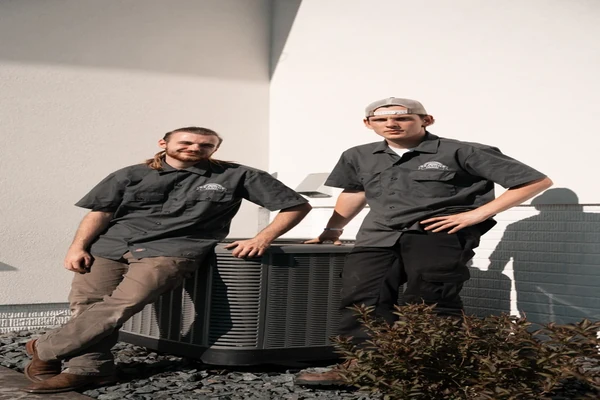
To illustrate the efficiency difference, consider this comparison:
Feature Traditional Furnace (Gas/Oil) Electric Resistance Heater Heat Pump (Air-Source) Primary Mechanism Burns fuel to generate heat Converts electricity to heat Transfers existing heat Efficiency (COP/AFUE) 80-98% AFUE 100% efficient 200-400% (COP 2-4+) Heating & Cooling Heating only (requires separate AC) Heating only (requires separate AC) Both heating & cooling in one Environmental Impact Emits greenhouse gases Emits greenhouse gases (if electricity from fossil fuels) Lowers greenhouse gases (especially with clean grid) Energy Savings Moderate Low High Dehumidification None None Excellent (during cooling) Overcoming Upfront Barriers with HVAC Financing
While the long-term savings and environmental benefits of heat pumps are clear, the upfront investment can sometimes be a significant consideration for homeowners. Installing a new, high-efficiency heat pump system, especially if it involves upgrading electrical service or ductwork, represents a substantial financial commitment. However, it’s important to view this as an investment in your home’s comfort, value, and future energy independence. The good news is that modern HVAC financing options are designed to make this essential upgrade accessible and manageable.
Financing allows homeowners to spread the cost of a new heat pump system over time, converting a large upfront expense into predictable monthly payments. This financial flexibility means you don’t have to deplete your savings or delay getting the comfort system your home deserves. Instead, you can begin enjoying the benefits of lower energy bills and superior indoor comfort almost immediately, while paying for the system at a pace that fits your budget. As of June 2026, many programs and providers recognize the value of these energy-efficient upgrades, offering competitive terms to encourage adoption.
How Modern HVAC Financing Makes High-Efficiency Systems Accessible
Modern financing solutions are tailored to help homeowners invest in energy-efficient systems like heat pumps. These payment plans are often structured to allow the immediate savings on energy bills to help offset, or even exceed, the monthly financing payments. This creates a positive cash flow scenario for many households, meaning the system can effectively pay for itself over time.
The return on investment (ROI) for a high-efficiency heat pump is often compelling. While exact figures vary based on your current heating system, local energy prices, and climate zone, many homeowners see their investment pay back within 5 to 9 years. For those replacing electric resistance baseboard heat, the payback period can be even shorter, sometimes under six years. This long-term value extends beyond just energy savings; an energy-efficient home can also command a higher resale value, with some studies suggesting homes with energy-efficient upgrades can sell for 5-7% more. By making the upfront cost manageable, financing unlocks these significant long-term benefits, ensuring that more homeowners can access superior comfort and efficiency.
Key Factors to Consider When Evaluating HVAC Financing Options
When exploring financing for your heat pump installation, several factors should guide your decision-making process:
- Interest Rates and Loan Terms: Compare different financing providers to find competitive interest rates and loan terms that align with your financial goals. Longer terms can mean lower monthly payments, but may result in more interest paid over the life of the loan.
- Utility Rebates: Many local utility companies offer rebates for installing high-efficiency heat pumps. These can significantly reduce your out-of-pocket costs. Always check with your local utility provider for current programs.
- Tax Incentives: As of June 2026, while the federal 25C air-source tax credit expired on December 31, 2025, state-administered rebates and other local incentives may still be active in many markets. Federal geothermal tax credits, for example, continue through 2032 at 30% with no dollar cap. Research what incentives are available in your specific state and local area.
- Credit Approval: Your credit score will play a role in the financing options available to you. Having a good credit history can open doors to more favorable rates and terms.
- System Longevity: Consider the expected lifespan of your heat pump system (typically 15 years with proper maintenance) in relation to your loan term. It’s ideal for the system to continue operating efficiently long after it’s paid off, maximizing your long-term savings.
Always ensure you receive a detailed quote that outlines the post-incentive installed cost, rather than just the sticker price, to get a true picture of your investment.
Frequently Asked Questions about Home Comfort Upgrades
Homeowners often have specific questions when considering a heat pump system, especially concerning its performance in varied climates and its comparison to other HVAC technologies. Here, we address some of the most common inquiries to help you make an informed decision for your home comfort upgrades.
Do modern heat pumps work effectively in extreme cold climates?
This is one of the most common concerns, and the answer, as of June 2026, is a resounding yes – with the right equipment. The notion that “heat pumps don’t work in cold weather” is largely outdated. Modern cold-climate heat pumps have revolutionized performance in sub-freezing temperatures. These advanced systems, often featuring variable-speed inverter compressors and vapor-injection technology, can maintain high-capacity heating and efficiency even in temperatures as low as 0 degrees Fahrenheit or below, with some models operating reliably down to -13°F or even -20°F.
While standard air-source heat pumps perform optimally in moderate climates like Texas or the Southeast, where temperatures rarely drop below 15-20°F, cold-climate models are specifically designed for regions with more severe winters. They can extract heat from air that still retains about 85% of its heat energy at 0°F compared to 70°F. In extremely cold conditions, an auxiliary heat source (often electric resistance coils integrated into the unit or a supplemental furnace in a dual-fuel setup) can provide additional warmth to ensure your home remains comfortable, though the heat pump will handle the vast majority of heating hours efficiently.
How do heat pumps compare to hybrid or dual-fuel systems?
For homeowners in regions with colder winters, or those seeking an extra layer of reliability, a dual-fuel or hybrid system presents an excellent solution. These systems combine a high-efficiency heat pump with a traditional gas furnace. The heat pump operates as the primary heating source during milder temperatures, leveraging its superior energy efficiency. When outdoor temperatures drop below a certain “balance point” (e.g., 20-35°F), where the heat pump’s efficiency might start to decrease, the system automatically switches to the gas furnace.
This intelligent switching mechanism ensures optimal efficiency and comfort. The heat pump handles the majority of heating hours, saving energy and reducing emissions, while the furnace provides powerful, cost-effective heat during the coldest days. This approach balances the efficiency benefits of a heat pump with the robust heating capacity of a gas furnace, offering the best of both worlds. It’s particularly recommended for climate zones 5 through 7, which experience significant periods of sub-freezing temperatures. Dual-fuel systems provide peace of mind, knowing your home will stay warm and your energy costs will be managed, even in the most challenging winter conditions.
What maintenance is required to keep a heat pump running efficiently?
Like any sophisticated home appliance, a heat pump requires regular maintenance to ensure its longevity, optimal efficiency, and reliable performance. Proactive maintenance is key to maximizing your investment and avoiding unexpected breakdowns.
Here are the main maintenance needs:
- Regular Filter Replacement: This is perhaps the simplest yet most crucial task. Air filters should be checked monthly and replaced every 1 to 3 months, depending on usage, pet presence, and indoor air quality. A clean filter ensures proper airflow, protects the indoor coil from dirt, and maintains system efficiency.
- Professional Tune-Ups: Schedule professional maintenance twice a year – typically before the heating season and before the cooling season. During these visits, a qualified technician will inspect and clean coils, check refrigerant levels, ensure proper electrical connections, lubricate moving parts, and verify thermostat calibration. This comprehensive check-up helps identify minor issues before they become major problems, ensuring your system runs at peak efficiency.
- Keep Outdoor Unit Clear: Ensure the outdoor unit is free from debris like leaves, dirt, and snow. Maintain at least 2-3 feet of clearance around the unit and 5 feet above it for optimal airflow.
- Condensate Drain Check: The condensate drain line can sometimes get clogged with algae or debris, leading to water leaks. During professional maintenance, this line will be checked and cleared.
With proper, consistent maintenance, a heat pump can provide 15 years or more of reliable service, offering consistent temperatures, quiet operation, and better dehumidification for year-round comfort.
Conclusion
As we look to the future of home comfort in June 2026, heat pumps stand out as an increasingly intelligent and indispensable choice for homeowners. Their ability to seamlessly provide both heating and cooling from a single, energy-efficient system offers unparalleled year-round comfort. We’ve seen how their innovative heat transfer technology drastically reduces energy consumption and operating costs, making them a financially sound investment. Furthermore, by significantly lowering greenhouse gas emissions, heat pumps play a vital role in creating a more sustainable future for our communities.
Modern advancements have addressed past concerns about cold-climate performance, with variable-speed and cold-climate models now delivering reliable warmth even in harsh winters. Combined with flexible financing options and the potential for substantial long-term savings, the advantages of heat pumps are clear. Investing in a heat pump is not just an upgrade to your HVAC system; it’s an investment in a more comfortable, cost-effective, and environmentally responsible home. For those ready to experience the next level of home comfort and efficiency, exploring the possibilities of a heat pump system is a decision that will pay dividends for years to come.
To learn more about how a heat pump can transform your home’s comfort and efficiency, or to schedule a consultation, visit All Seasons HVAC Solutions and discover the perfect system for your needs.
