

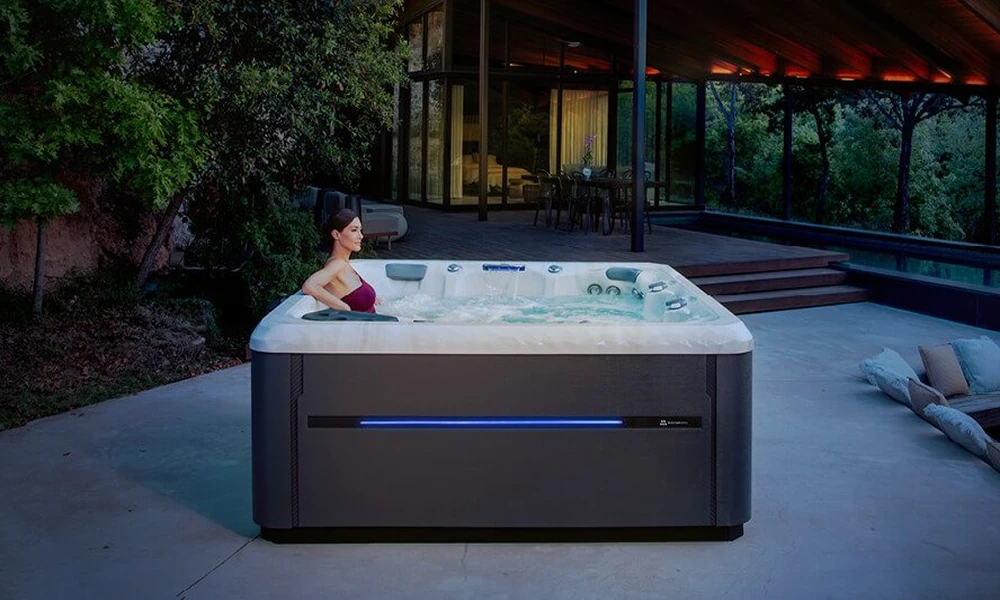
Ordering a hot-tub part does not necessarily book someone to diagnose the problem, install the component or confirm that the spa is ready to use. Before spending money, establish which help the supplier offers and who will handle the rest. Parts support and repair labour can be separate services, even when the same conversation begins at a familiar pool-and-spa store.
The distinction is easy to miss when the immediate goal is simply to get the spa working again. A helpful person may identify a product category or explain how an order works without accepting responsibility for the entire repair. Making the boundaries explicit protects the purchase from being mistaken for a solution that nobody has actually agreed to deliver.
Name the help you are actually requesting
Begin by describing the observation and asking what service is available. You may have an error message, a change in operation or advice from a technician about a specific part. Those are different starting points. Say which one applies instead of presenting a guessed component as a confirmed diagnosis.
Provide model information that is safely accessible and any documentation you already have. Do not remove covers, touch electrical components or create a risky situation to obtain a photograph. If the information cannot be collected safely, tell the service provider and ask how the assessment should proceed.
Be clear if a qualified technician has already inspected the spa. Share the relevant written recommendation through the appropriate channel, including the exact part identification if supplied. A paraphrase such as “something in the heater” is not enough to assume that a supplier can select the correct component. Retain the date of that assessment as well, so a later conversation can distinguish the original finding from anything that has happened since.
If no assessment has occurred, ask whether one is needed before ordering. An online symptom list can suggest questions, but it cannot confirm the fault in your installation. Avoid turning a likely explanation into a purchase simply because the component is available.
Confirm who will decide whether a part is needed
Diagnosis may involve a different person or arrangement from retail parts support. Ask who will assess the fault, what that assessment includes and how the findings will be communicated. You should know whether you are receiving general product assistance or an actual recommendation based on inspection of the spa.
The distinction is visible in Jameson’s published service information: the company describes spa diagnosis and replacement-parts support while stating that it does not provide in-house spa-repair labour. A Mississauga or Oakville enquiry should therefore clarify the appropriate support route and any separate labour arrangement, rather than assume a parts order includes a repair visit.
Ask what happens if the initial assessment points to more than one possible issue. You do not need to choose a sequence of technical tests yourself. You need to understand the professional’s recommendation and whether further investigation is required before a part should be purchased.
Keep the approval for an order separate from agreement to additional work. If a quotation changes after assessment, request a clear explanation of the revised scope. A transparent decision is easier when the component, diagnostic work and labour are identified separately rather than folded into a vague instruction to “sort it out.”
Make the labour arrangement explicit
Once the required work is understood, confirm who will carry it out and what qualifications or authorisations are appropriate for the task. Electrical, gas or other specialist work should not be treated as an ordinary assembly job. Do not plan to install a component yourself merely because it can be purchased over a counter.
Ask who schedules the visit and who your contact will be if the arrangement changes. A supplier providing a component and a technician providing labour may have different booking systems. Do not assume that giving one party your address has created an appointment with the other.
Discuss which party is responsible for confirming that the ordered item matches the assessed requirement. Keep the model and part details consistent in the written information. If there is a discrepancy, resolve it before installation rather than expecting the technician to make an unsuitable component work.
Clarify the terms applying to the part and to the labour. Ask how a concern would be handled if the component arrives damaged, is unsuitable or does not resolve the assessed issue. Do not assume a product warranty covers every diagnostic or installation cost, or that a labour arrangement includes every subsequent visit.
Availability is another separate question. A part being orderable does not guarantee an immediate repair slot, and an available technician cannot complete work without the correct component. Confirm the sequence with the responsible parties before arranging time off or expecting the spa to be usable for a particular occasion.
Close the gap between delivery and a working spa
When the item arrives, follow the supplier’s instructions for checking the order without attempting technical work. Keep the identifying information and purchase record available for the professional carrying out the repair. If something does not match the agreed details, contact the relevant party before proceeding.
After the work, ask what was completed, whether any further assessment is needed and what instructions apply before use. Do not interpret the installation of a part as automatic confirmation that every concern has been resolved. That conclusion belongs with the professional responsible for the work.
A clear service arrangement ends with more than a delivered box. It identifies the assessment, the component, the qualified labour and the person who will explain the result. Confirming those responsibilities at the beginning is more useful than discovering, after a part arrives, that the repair appointment you expected was never booked.
