

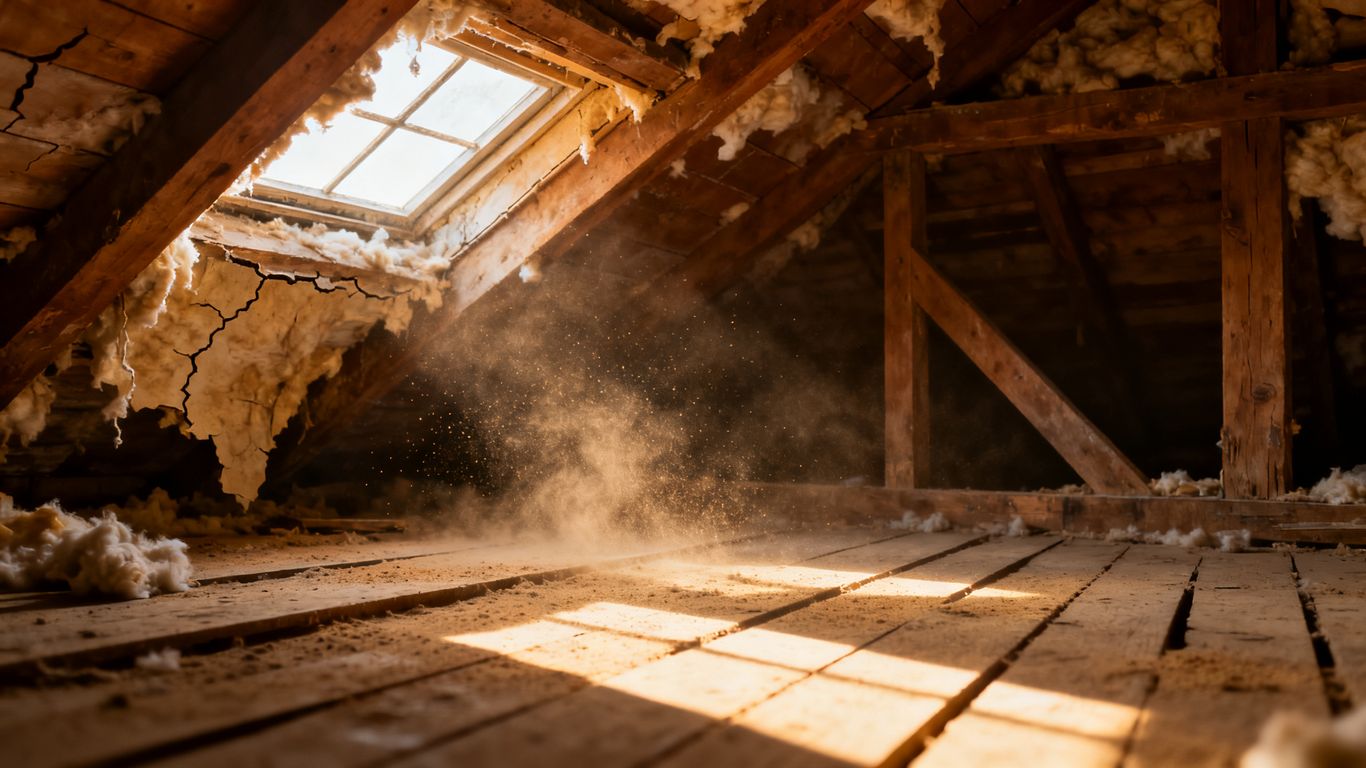
The inhalation of asbestos fibers represents a significant physiological hazard because these microscopic particles are both durable and aerodynamic, allowing them to remain suspended in interior air for extended periods. When someone breaths in these fibers, the particles navigate the respiratory tract, often bypassing the body’s natural defense mechanisms to settle deep within the pulmonary tissue or the pleura. Understanding these biological dynamics is essential for long-term respiratory health.
Mechanics of fiber inhalation and deep-tissue lodgement
Once inhaled, fibers often penetrate the upper airways and reach the delicate alveoli of the lungs. Because they are biologically indestructible, the body cannot easily degrade them. According to the research documented by the National Cancer Institute, these silicate compounds act as physical irritants that persist within the human respiratory system indefinitely.
Chronic inflammation and the onset of physical scarring
The presence of trapped fibers initiates a persistent state of chronic inflammation as the immune system attempts to digest or wall off the foreign material. This ongoing process leads to fibrosis, which is the progressive stiffening and hardening of the lungs as scar tissue begins to form over vulnerable structures. Over decades, this internal remodeling significantly reduces the elasticity of the lungs and hinders efficient gas exchange.
Cellular DNA damage and the development of malignant tumors
Beyond mechanical irritation, fibers contribute to genomic instability within the lung tissue. The persistent inflammation induces oxidative stress, which may interrupt normal cell cycle regulation and initiate mutagenic events. Researchers using the database provided by the NCBI Bookshelf maintain that such environmental impacts are critical drivers of malignant transformation in airway cells.
Major respiratory diseases linked to long-term contact
The spectrum of conditions resulting from long-term exposure is diverse, largely centering on the permanent degradation of lung function or the activation of carcinogenic processes. Residents living in older structures must be aware that symptoms are rarely immediate, making the identification of these outcomes a challenge for clinical professionals.
Recognizing the progressive symptoms of asbestosis
Asbestosis presents as a gradual onset of shortness of breath that typically worsens during physical activity. The condition manifests as restrictive lung disease, where the lungs become restrictive due to widespread scarring. This diagnostic profile is consistent with observations provided by the Minnesota Department of Health regarding the persistent nature of pulmonary fibrosis.
Assessing the increased likelihood of lung cancer
The secondary risk of malignancy is a primary concern for long-term occupants of contaminated structures. Statistical data across healthcare sectors confirms that the interaction between inhaled fibers and pulmonary tissue elevates the risk of bronchogenic carcinoma. Clinical monitoring is often recommended to capture changes in lung health before they become symptomatic indicators of tumor growth.
Understanding the unique clinical profile of mesothelioma
Mesothelioma represents a distinctly rare but aggressive cancer of the mesothelial lining, most commonly the pleura. This disease is uniquely linked to prolonged inhalation of fibers in occupational or domestic settings. Resources such as the VA Public Health suggest that veterans and civilians alike may face decades of silence before this diagnosis manifests in clinical imaging.
The challenge of the latency period
One of the most complex aspects of environmental illness is the extraordinary span of time that passes between initial inhalation and the appearance of physical symptoms. This delay creates a significant barrier to public awareness and individual prevention, as the connection between a past environment and current health issues is often masked by the passage of time.
Why symptoms often emerge 20 to 50 years post-exposure
The latency period is largely due to the slow, cumulative nature of fiber-induced cellular change. Because the initial damage is sub-clinical, the body can compensate for many years before respiratory failure or malignancy becomes apparent. This delayed biological response makes the link between exposure and disease difficult to pinpoint on a human timescale.
Difficulties in linking modern health decline to historical home environments
Patients often struggle to recall specific dates or home renovation activities occurring decades in the past. This ambiguity complicates epidemiological tracking and makes it difficult for homeowners to identify which, if any, specific vintage property triggered their current health decline. The absence of immediate reaction discourages precautionary assessment in the absence of active construction.
The importance of long-term medical monitoring for homeowners
Proactive engagement with healthcare systems is vital for those who have spent extensive time in aging residential properties. Establishing a baseline of respiratory function can facilitate the earlier detection of scarring or pleural thickening. Consistent medical oversight helps distinguish between normal aging processes and potential pathologies stemming from historical environmental hazards.
Identifying high-risk scenarios in vintage residential buildings
Not all settings containing hazardous materials are equally dangerous, but older residential infrastructure poses a higher baseline risk due to the widespread historical reliance on these minerals in various building products. Identifying these vulnerabilities prior to disturbance is the most effective safeguard against future health impacts.
Distinguishing between friable and non-friable asbestos materials
Friable materials possess a texture that crumbles easily under light pressure, posing the highest risk of fiber release. In contrast, non-friable materials, such as those bound in resilient floor tiles, hold fibers within a stable matrix unless they are sanded, drilled, or broken. Understanding this distinction is fundamental for prioritizing maintenance efforts.
Hidden risks in insulation, adhesives, and floor tiles
Materials used before the mid-1970s often contain hazardous additives that are easily disrupted if not identified beforehand. These substances, found in ceiling coatings, pipe lagging, and mastic adhesives, remain hidden in plain sight. Homeowners should anticipate that many vintage renovation projects will necessarily disturb these embedded components.
Common triggers that release hazardous fibers into household air
Any mechanical intervention in an older structure can lead to the atmospheric release of fibers. To better manage these properties, homeowners should be mindful of these frequent triggers:
- Manual sawing or drilling through vintage ceiling tiles
- Ripping up old vinyl flooring or underlying adhesives
- Disturbing aged pipe insulation in basement crawlspaces
- Sanding or scraping painted surfaces treated with early fireproofing
By ensuring these activities are halted until proper identification occurs, occupants can minimize the potential for accidental fiber aerosolization and long-term health complications.
Factors influencing the severity of health outcomes
The risk of developing a serious condition is not uniform and fluctuates based on several environmental and individual variables. While the presence of fiber is the primary catalyst, the intensity and context of that exposure influence the ultimate clinical trajectory for the exposed individual.
The dose-response relationship in domestic environments
Public health experts utilize the dose-response relationship to quantify how the volume of fibers and the duration of exposure dictate clinical risk. Short-term exposure risks are generally lower than chronic occupational encounters, yet concentrated domestic scenarios can still generate significant fiber counts. Any modification that increases fiber density in household air elevates the likelihood of subsequent cellular degradation.
Cumulative exposure and the impact of repeated home modifications
Individual instances of disturbance may seem minor in isolation, but the total number of renovations over several years increases the cumulative burden on the lungs. Each period of living in a home undergoing frequent, poorly controlled modification adds to the life-long dose. Managing these risks necessitates a cumulative approach to home property safety.
Potential health considerations for secondary household members
Risk is not limited to the individual performing the active renovation in the home. Family members or secondary residents in the same environment may inadvertently inhale fibers that are transported through common HVAC systems or by settling on clothing and household fabrics. Protecting the entire household requires consistent containment standards during periods of structural maintenance.
Safety and management strategies for vintage properties
The mitigation of respiratory risks in old homes revolves around a strategy of containment and professional evaluation. Because remediation can be more hazardous than leaving materials undisturbed, modern strategies prioritize professional risk assessment and rigorous industrial hygiene practices over impulsive DIY actions.
Importance of professional testing before starting renovations
Before initiating any home improvement project, professional testing is the only way to confirm the presence and condition of hazardous materials. Accurate lab analysis allows property owners to map out a clear path for safe renovation. Relying on professional insights ensures that necessary work is conducted without introducing hidden hazards into the household atmosphere.
Why containment is preferred over DIY removal
Containment serves as the gold-standard approach when asbestos is present but stable within a home structure. By sealing or enclosing dangerous materials, residents eliminate the risk of accidental fiber dispersion during daily life. Attempting removal without professional-grade ventilation and decontamination protocols creates a greater chance of exposure than simply leaving the material in a managed, sealed state.
Following regulatory standards for professional abatement and disposal
Professional abatement contractors are required to follow strict legal standards to ensure that contaminated materials are removed without endangering the surrounding living environment. These professionals use specialized equipment to monitor air quality, maintain negative air pressure, and ensure proper off-site disposal. Relying on certified abatement services is the most responsible way to manage home renovation in properties with historical structural hazards.
