

Climate Control and Custom Home BuildingThe Foundations of Climate Control and Custom Homes
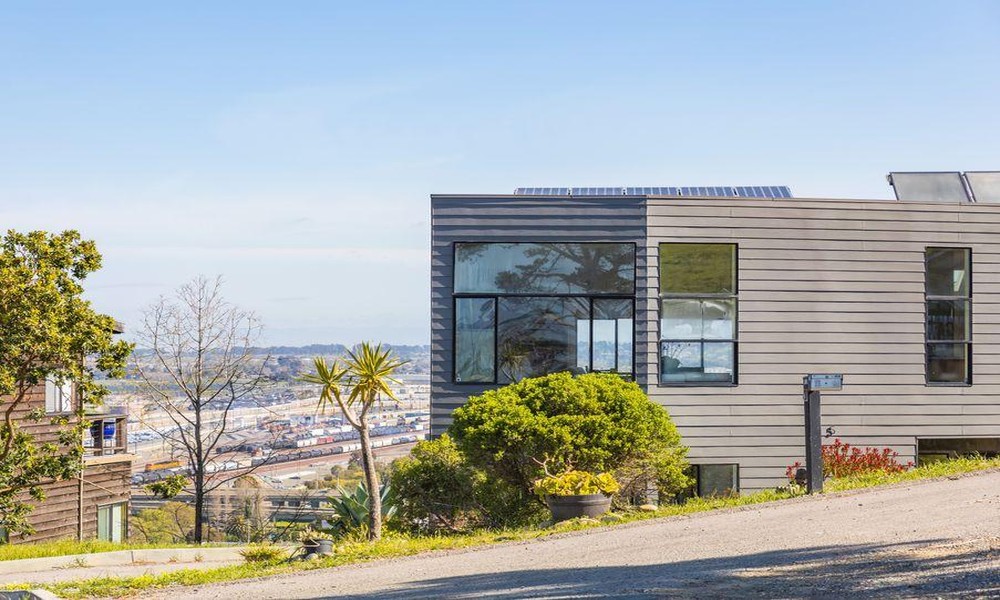
Building a custom home offers an unparalleled opportunity to integrate climate control from the ground up, moving beyond merely reacting to external conditions. This begins with passive design strategies – architectural choices that harness natural environmental forces to maintain indoor comfort, significantly reducing reliance on mechanical heating and cooling systems. We believe that a truly exceptional home, designed for luxury custom home climate control, starts with understanding its site and climate.
The single most impactful decision in passive design, and one that costs nothing, is the home’s orientation. By positioning the long axis of a home along an east-west direction, we can maximize southern exposure, allowing for beneficial winter sun while minimizing harsh summer sun. Windows oriented within 30 degrees of true south are ideal for capturing winter warmth. Thoughtfully calibrated roof overhangs, designed specifically for the site’s latitude, provide essential shading during hotter months, preventing unwanted solar gain, yet allowing lower winter sun to penetrate and warm interior spaces.
Natural ventilation is another cornerstone. Strategically placed operable windows, clerestory vents, and interior openings create pathways for airflow, allowing breezes to naturally cool the home. This cross-ventilation, sometimes enhanced by the stack effect where warm air rises and exits through higher vents, can dramatically reduce the need for air conditioning.
Thermal mass, incorporating dense materials like concrete, stone, or adobe into the building’s structure, acts as a natural temperature regulator. These materials absorb heat slowly during the day and release it gradually as temperatures drop, moderating indoor temperature swings. This “material memory” contributes to a more stable and comfortable environment. Even landscaping plays a vital role; deciduous trees planted strategically can provide shade in summer and allow sunlight through in winter, while earth berming can offer natural insulation. Integrating these passive strategies from the earliest schematic design phase, rather than treating them as an afterthought, is crucial for optimal performance. Passive design is not an added layer of complexity; it is the starting point for architecture that performs quietly and endures.
Maximizing Efficiency with Climate Control and Custom Homes
Complementing passive design, high-performance building envelope components are essential for maximizing energy efficiency and indoor comfort in custom homes. These elements work in concert to create a robust barrier against external climate fluctuations, further reducing the workload on mechanical systems.
High-performance insulation is paramount. Adequate insulation in walls, attics, and foundations can reduce heating and cooling expenses by as much as 15% annually. Modern wall assemblies can achieve thermal resistance values two to three times higher than conventional construction, significantly minimizing heat transfer. For instance, Insulated Concrete Forms (ICF) construction, as seen in projects like Carbon Home Zero, can make a home more than four times as energy-efficient as standard stick-built construction, providing superior insulation, soundproofing, and moisture protection. Some high-performance homes boast R70 insulation ratings, a testament to their exceptional thermal barrier.
Airtight envelopes are equally critical. By minimizing uncontrolled air leakage, we prevent conditioned air from escaping and unconditioned air from infiltrating. This drastically reduces energy waste and improves indoor air quality. Homes built to rigorous standards, such as those following Phius or Passive House Institute guidelines, can achieve incredibly low air exchange rates (ACH). For example, some custom homes have achieved rates as low as 0.52 ACH, with exceptional cases even reaching an astonishing 0.04 ACH. Such tightness necessitates controlled mechanical ventilation, but the energy savings are substantial, with these buildings reducing heating and cooling energy use by up to 90% compared to conventional construction.
Advanced glazing, including double or triple-pane windows with low-emissivity (Low-E) coatings and inert gas fills (like argon or krypton), further enhances the building envelope’s performance. These windows are designed to block unwanted heat gain in summer and reduce heat loss in winter, while still allowing natural light. Thermally broken windows, which prevent heat transfer through the frame itself, are another sophisticated option for superior performance. By eliminating thermal bridges-points where heat can easily escape or enter, such as at corners or window rough openings-we ensure the entire envelope performs uniformly and efficiently.
Engineering Comfort: How HVAC Zoning Works
Once the passive design and high-performance envelope are in place, active climate control systems, particularly HVAC zoning, elevate comfort to an entirely new level in custom homes. HVAC zoning is a sophisticated method of dividing a home into distinct “zones” or areas that can be heated or cooled independently using a single central HVAC system. This means different parts of your home can maintain different temperatures simultaneously, catering to individual preferences and usage patterns.
The core principle behind zoning is simple: why condition an entire house to one temperature when only certain areas are occupied or require specific climate settings? In a zoned system, conditioned air is directed only where and when it’s needed. This not only enhances comfort but also significantly boosts energy efficiency. In fact, homes with zoning systems report 40% fewer comfort complaints compared to single-zone systems, highlighting the direct impact on homeowner satisfaction.
The key components of a zoned HVAC system work in harmony to achieve this precise control:
- Zone Control Panel: This is the brain of the system, receiving temperature requests from individual zone thermostats and orchestrating the operation of the HVAC unit and dampers.
- Zone Dampers: These motorized devices are installed within the ductwork, acting like valves. When a zone calls for heating or cooling, the control panel signals the appropriate dampers to open, directing conditioned air to that specific area, while closing dampers to zones that don’t require conditioning.
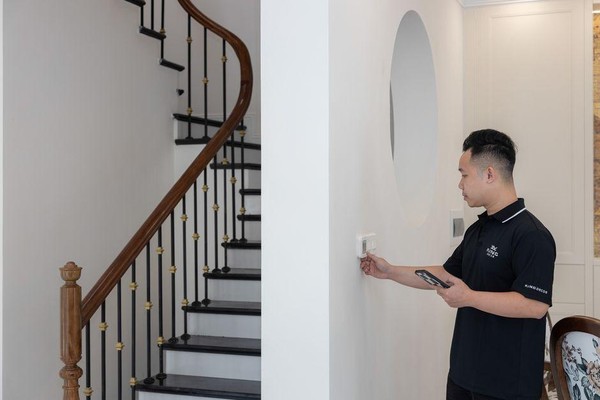
- Multiple Thermostats: Each zone has its own thermostat, allowing occupants to set and maintain their desired temperature independently. Modern smart thermostats often integrate seamlessly with zoning systems, offering remote control and advanced scheduling features.
- Bypass Systems or Variable Speed Equipment: To prevent excessive static pressure in the ductwork when some zones are closed, a bypass damper can redirect excess airflow back to the return duct. Alternatively, a variable speed HVAC system can automatically adjust its fan speed and capacity to match the reduced airflow demand, providing even greater efficiency and quieter operation.
Together, these components create multiple “mini-climates” within a single home, ensuring that every family member can enjoy their preferred temperature without compromising on overall efficiency.
System Types and Architectural Suitability
The choice of zoning system depends heavily on the custom home’s design, size, budget, and specific comfort requirements. We typically consider three primary types:
- Damper-Based Zoning: This is the most common and traditional form of zoning. It involves installing motorized dampers in the ductwork that open and close to direct airflow to specific zones. This system is ideal for homes with a single central HVAC unit and existing ductwork, making it suitable for both new construction and some retrofits. It’s cost-effective and provides good control over distinct areas.
- Variable Air Volume (VAV) Systems: More advanced than damper-based systems, VAV systems work in conjunction with variable speed HVAC units. Instead of just opening or closing, VAV boxes actively modulate the volume of conditioned air delivered to each zone. This allows for even finer temperature control and can lead to greater energy savings, as the central unit can ramp down its output when less conditioning is needed. VAV systems are often preferred for larger, more complex custom homes where precise climate control and maximum efficiency are priorities.
- Ductless Mini-Splits: These systems offer a highly flexible and efficient zoning solution, particularly for specific rooms, additions, or areas where extending ductwork is impractical. Each indoor unit (head) operates independently, providing heating and cooling directly to its designated space. Multiple indoor units can be connected to a single outdoor condenser, creating a multi-zone system without the need for extensive ductwork. Ductless mini-splits are excellent for rooms with unique heating/cooling loads, such as sunrooms, home offices, or guest suites, and are often praised for their quiet operation and individual control.
Here’s a comparative overview:
Feature Damper-Based Zoning VAV Systems Ductless Mini-Splits Cost Moderate (initial investment $3,000-$6,000) Higher Moderate to High (per zone) Flexibility Good, divides existing ducted system Excellent, precise airflow control Superior, individual room control, no ducts Installation Easier in new construction, possible in retrofit Best in new construction, requires compatible HVAC Highly adaptable, ideal for additions/specific rooms Efficiency Good (20-40% energy savings) Excellent (variable airflow optimizes energy use) Excellent (individual control, no duct losses) Ideal For Most custom homes with central HVAC, clear zone needs Large, complex custom homes seeking ultimate precision Additions, specific rooms, homes without existing ducts Climate-Specific Strategies for Custom Home Design
The “one-size-fits-all” approach to climate control simply doesn’t work for custom homes, especially when considering diverse regional climates. A truly effective climate control strategy must be tailored to the unique environmental challenges and opportunities of the home’s location.
In regions like the Dallas-Fort Worth area, where summers are notoriously hot and humid, efficient cooling and humidity control are paramount. HVAC zoning becomes a powerhouse here, allowing homeowners to cool living areas during the day and shift cooling to bedrooms at night, saving significant energy. Homeowners in this region can realistically expect to save $400-800 per year on energy bills, with overall reductions of 20-40% annually.
For custom homes in arid desert landscapes like Phoenix or Scottsdale, the extreme heat demands robust and reliable cooling systems. Passive strategies such as deep overhangs, strategically placed shading, and high-performance glazing are critical to reduce solar heat gain. When it comes to active systems, homeowners often seek out specialized services for reliable Climate control heat pump repair Scottsdale to ensure their systems can withstand the intense summer demands. Ductless mini-splits can also be invaluable for cooling specific areas, like a home office or a guest casita, without over-cooling the entire house.
In areas prone to wildfires, such as many parts of the Western U.S., climate control extends beyond temperature to include resilience and safety. Homes in these zones might incorporate Class A fire-rated shells, ember-resistant soffit venting, and even rooftop sprinkler systems. In addition to temperature, these features are part of a holistic climate-resilient design.
Regions experiencing heavy rain and moisture, like the Pacific Northwest, require meticulous attention to moisture management. Passive strategies include extended roof overhangs and rain screen systems to protect the building envelope from water intrusion. Proper ventilation is also key to prevent mold and mildew, especially in airtight homes.
Conversely, for custom homes in cold climates, the focus shifts to retaining heat and preventing heat loss. Here, exceptional insulation (like R70 ratings), triple-pane windows, and thermal mass to store solar heat are vital. Geothermal systems, which harness the stable underground temperatures, become highly efficient heating sources, as demonstrated in projects like Carbon Home Zero in Pound Ridge, NY, which utilizes 500-foot-deep geothermal wells.
Even in regions like the Texas Hill Country, the 2021 winter storm highlighted the need for resilience and energy independence. Custom homes there are increasingly integrating geothermal HVAC, solar power with whole-home battery arrays, and deep-water wells to create self-sufficient estates, where luxury is defined by security and resilience.
Designing for climate control in a custom home means a deep understanding of the local environment and integrating both passive and active strategies to create a home that is comfortable, efficient, and resilient, no matter what the weather brings.
Planning, Installation, and Maintenance Best Practices
Achieving optimal climate control in a custom home requires meticulous planning, expert installation, and diligent long-term maintenance. These three pillars ensure that the sophisticated systems we’ve discussed deliver on their promise of comfort and efficiency.
For new construction, planning for climate control, especially zoning, should begin at the earliest design phase. This allows us to integrate systems seamlessly into the home’s architecture. Key best practices include:
- Zone Design: Group rooms with similar occupancy schedules and heating/cooling needs into specific zones. For example, bedrooms might be one zone, living areas another, and a home office or gym a third.
- Solar Exposure: Account for the sun’s path and potential solar gain when designing zones. South-facing rooms or those with large windows might require their own zone for precise temperature management.
- Ductwork Sizing: Proper ductwork sizing for each zone is critical. Undersized ducts can lead to insufficient airflow and noise, while oversized ducts can reduce efficiency. This is where professional HVAC designers are invaluable.
- Rough-In Phase: Installing zoning components, particularly motorized dampers, during the rough-in phase of construction is ideal. This allows for optimal placement within the ductwork and easier integration with the control panel and thermostats, avoiding costly modifications later.
Retrofitting an existing home with zoning is more complex but still achievable. It often involves more invasive ductwork modifications and careful consideration of existing structural elements. While possible, the most efficient and cost-effective approach is always to plan for zoning during new construction.
Maintenance is crucial for the long-term performance and longevity of zoned HVAC systems. Just like any high-performance machine, these systems require regular care:
- Quarterly Checks: Homeowners should regularly check air filters and replace them as needed, typically every 1-3 months, depending on usage and air quality.
- Annual Calibration: We recommend annual professional maintenance. This includes calibrating thermostats, inspecting dampers for proper operation, checking refrigerant levels, cleaning coils, and ensuring the central unit is running efficiently.
- Ductwork Inspection: Periodically inspect ductwork for leaks or damage, which can compromise zoning effectiveness and energy efficiency.
- Software Updates: For smart zoning systems, ensure control panels and thermostats receive regular software updates for optimal performance and security.
Diligent maintenance not only ensures consistent comfort but also helps prevent costly breakdowns and extends the lifespan of the entire HVAC system.
Long-Term Value of Climate Control and Custom Homes
Investing in advanced climate control and passive design for a custom home yields significant long-term value, extending far beyond immediate comfort. These features are increasingly recognized as essential elements of a high-performance, future-proof home.
One of the most compelling benefits is energy savings. HVAC zoning can reduce energy bills by 20-40% annually. For instance, an average homeowner in a climate like Dallas-Fort Worth could save $400-800 per year. When combined with passive design and a high-performance envelope, these savings can be even more substantial, with some homes achieving up to 90% reduction in heating and cooling energy use. While the initial investment for a traditional damper-based zoning system might be in the range of $3,000-$6,000, the payback period is typically short, often just 3-5 years. Over a 15-year period, these savings can accumulate to $6,000-$12,000.
Beyond direct cost savings, advanced climate control contributes to extended equipment lifespan. By reducing the overall workload on the central HVAC unit and minimizing short-cycling, zoning can extend the equipment’s life by 3-5 years. This translates to additional savings of $2,000-$4,000 over the system’s lifetime, deferring replacement costs.
The enhanced comfort is, of course, a primary driver. With 40% fewer comfort complaints reported in zoned homes, homeowners experience a consistently pleasant indoor environment tailored to their preferences. This contributes significantly to overall quality of life within the home.
Finally, these investments have a tangible impact on home resale value. In June 2026, homebuyers are increasingly sophisticated and environmentally conscious. Statistics show that 88% of homeowners are willing to pay a premium for homes with resilient, high-performance features. Furthermore, over one-third of U.S. home builders report that more than half of their projects incorporate green or energy-conscious design, reflecting a growing market demand. With 84% of homeowners stating that living in a home with environmental integrity matters to them, energy-efficient AC and integrated climate control are no longer just amenities but key selling points that connect to higher home value. These features demonstrate foresight, lower operating costs, and a commitment to sustainability, making a custom home a more attractive and valuable asset in the long run.
Frequently Asked Questions About Custom Home HVAC
Homeowners embarking on the journey of building a custom home often have many questions about optimizing their climate control systems. We aim to address some of the most common inquiries regarding system performance and energy efficiency.
How does a single HVAC system manage multiple climate zones?
A single HVAC system manages multiple climate zones through a sophisticated network of components that work in concert. At its heart are motorized dampers strategically installed within the home’s ductwork. Each zone has its own independent thermostat, which monitors the temperature in that specific area. When a thermostat detects that its zone needs heating or cooling, it sends a signal to a central control panel. The control panel then orchestrates the entire process: it turns on the central HVAC unit (furnace or air conditioner) and simultaneously opens the dampers leading to the requesting zone(s) while closing dampers to zones that are already at their set temperature. This precise airflow redirection ensures that conditioned air is delivered only where and when it’s needed, preventing energy waste and allowing for individualized comfort settings across the entire home. In some advanced systems, a bypass system or variable speed fan in the main HVAC unit helps manage air pressure when not all zones are open, ensuring efficient and quiet operation.
What are the most effective passive design strategies for extreme climates?
For homes in extreme climates, whether scorching deserts or freezing winters, a combination of passive design strategies is most effective:
- Orientation and Shading: In hot climates, orienting the home to minimize west-facing walls and maximizing shading with deep overhangs, pergolas, or mature deciduous trees is crucial. For cold climates, maximizing south-facing windows to capture winter sun (passive solar gain) is key, while still managing summer sun with calibrated shading.
- Thermal Mass: This is vital for moderating temperature swings. In hot climates, dense materials like concrete or stone absorb heat during the day, keeping interiors cool, and release it slowly at night. In cold climates, thermal mass can store solar heat gained during the day and radiate it back into the home as temperatures drop.
- Natural Ventilation: For hot climates, designing for cross-ventilation, stack effect (hot air rising and escaping through high vents), and strategically placed operable windows helps flush out heat. In cold climates, natural ventilation is less about cooling and more about controlled fresh air intake without significant heat loss.
- High-Performance Envelope: This includes superior insulation (e.g., R70 walls, insulated foundations), airtight construction, and advanced glazing (triple-pane, Low-E windows). These elements form a robust barrier against extreme external temperatures, significantly reducing the energy demand for mechanical systems.
How do airtight envelopes impact indoor air quality in zoned homes?
Airtight envelopes, while crucial for energy efficiency, fundamentally change how a home “breathes.” By sealing off uncontrolled air leaks, we prevent random infiltration of outdoor pollutants and unconditioned air, but we also limit the natural exchange of stale indoor air with fresh outdoor air.
In a custom home with an airtight envelope and zoning, maintaining excellent indoor air quality (IAQ) becomes a deliberate process, rather than a passive one. This typically involves the integration of mechanical ventilation systems, such as Energy Recovery Ventilators (ERVs) or Heat Recovery Ventilators (HRVs). These systems continuously exhaust stale indoor air and bring in fresh outdoor air, while simultaneously transferring heat (and sometimes humidity) between the outgoing and incoming airstreams. This ensures a constant supply of fresh air without significant energy loss.
The benefits for zoned homes are clear:
- Controlled Fresh Air: ERVs/HRVs provide a consistent, measured supply of fresh, filtered outdoor air to the entire home, or to specific zones as needed, ensuring healthy air even when windows are closed.
- Pollutant Removal: They help dilute and remove indoor air pollutants, allergens, and excess humidity that can build up in tightly sealed spaces.
- Balanced Airflow: These systems help maintain balanced airflow throughout the home, preventing pressure imbalances that could affect the performance of a zoned HVAC system.
- Toxin-Free Environment: As seen in high-performance homes, this approach contributes to a “toxin-free” indoor environment, free from drafts and noise, enhancing overall comfort and well-being.
Therefore, an airtight envelope doesn’t negatively impact IAQ in a zoned home when properly paired with a well-designed mechanical ventilation system. Instead, it allows for superior control over both temperature and air quality.
Conclusion
Building a custom home in June 2026 is an opportunity to craft a living space that is not only aesthetically pleasing but also profoundly intelligent in its interaction with the environment. By embracing a holistic design approach that integrates both passive strategies and advanced active climate control systems like HVAC zoning, we can create homes that offer unparalleled comfort, remarkable energy efficiency, and long-term resilience.
From harnessing the sun’s path and natural breezes to employing high-performance insulation and smart zoned HVAC, every decision contributes to a home that is a true sanctuary. These sophisticated climate control solutions reduce energy bills, extend equipment lifespan, and significantly enhance daily comfort, leading to fewer complaints and greater satisfaction. Moreover, investing in these features means building a future-proof home that aligns with growing environmental consciousness and commands a premium in the market. This is the essence of sustainable luxury: a home that performs as beautifully as it looks, providing optimal comfort while minimizing its environmental footprint. By carefully planning and integrating these technologies, we empower homeowners to enjoy personalized climate control, ensuring every corner of their custom home is perfectly tuned to their desires.
