

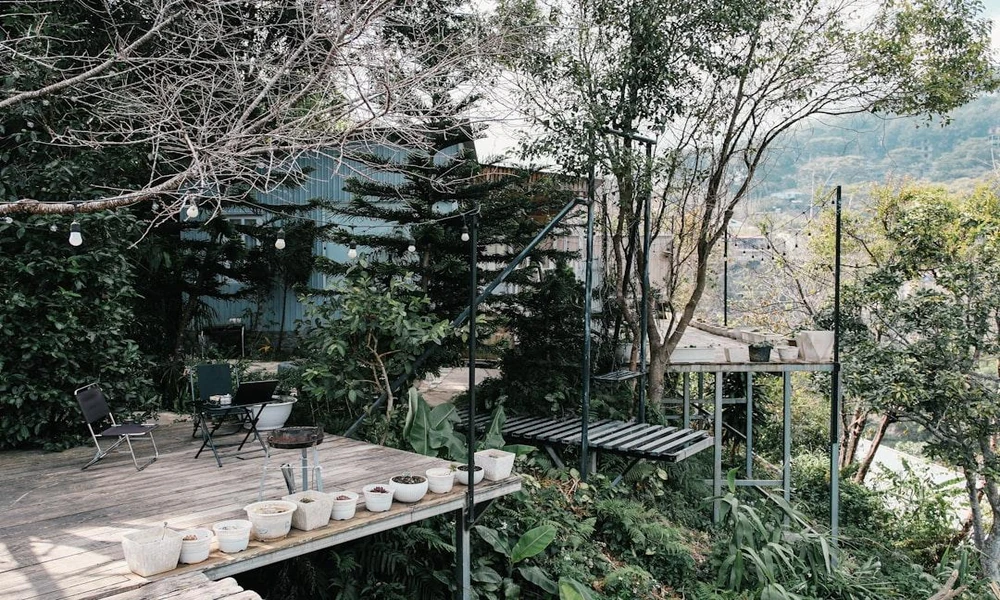
Elevating Outdoor Spaces: Innovative Deck and Patio SolutionsThe Scope of Modern Outdoor Living Construction
In June 2026, our homes are evolving, and the boundaries between indoor comfort and the great outdoors are becoming increasingly fluid. Many of us now view our backyards not just as open spaces, but as integral extensions of our living areas. This shift opens up exciting possibilities for relaxation, entertainment, and enhancing our daily lives.
Transforming an outdoor area into a functional, beautiful space requires careful planning and expert execution. It’s about more than just adding a patio; it’s about creating environments that stand up to local climate conditions and cater to our specific lifestyles. When we envision truly integrated and long-lasting additions, we are often considering solutions that fall under the umbrella of premium outdoor living.
In this extensive guide, we will explore outdoor living construction. We’ll delve into the services involved, the popular structures homeowners request, and how contractors select materials for durability. We will also examine the design-build process, integration of utilities, and how these projects ultimately add significant value to our homes.
Modern outdoor living construction encompasses a vast array of services, all aimed at transforming your exterior spaces into functional, aesthetically pleasing extensions of your home. It’s no longer just about a simple patio or a basic grill; today’s projects are sophisticated, integrated systems designed for comfort and utility.
Typically, outdoor living construction projects begin with foundational elements like hardscaping, which includes the installation of patios, walkways, retaining walls, and features like stonework, stamped concrete, or pavers. These elements provide the structure and flow for your outdoor environment. Beyond the foundation, popular requests often include various structures that offer shade, shelter, or dedicated activity zones.
Some of the most sought-after outdoor living structures homeowners request include:
- Decks: Elevated platforms, often made of wood or composite materials, that extend living space from the home.
- Pergolas: Open structures with a slatted roof, providing partial shade and an architectural focal point.
- Pavilions: Similar to pergolas but with a solid, fully enclosed roof, offering more complete protection from sun and rain.
- Outdoor Kitchens: Fully equipped cooking and dining areas, often featuring built-in grills, refrigerators, sinks, and storage.
- Pool Houses: Freestanding structures near a pool, providing changing rooms, restrooms, or additional entertaining space.
- Fire Features: Elements like outdoor fireplaces and fire pits, creating warmth and ambiance.
- Patio Covers: Structures that provide overhead protection for existing patios.
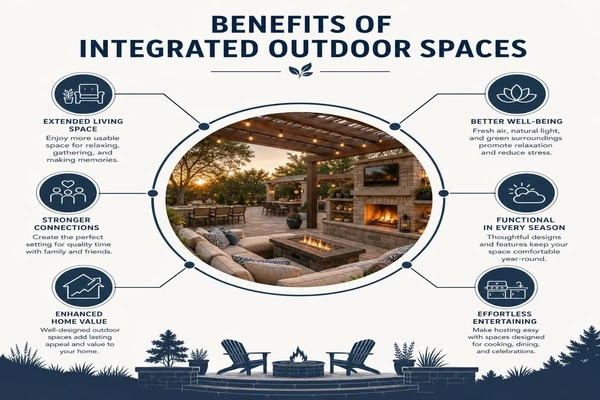
Many comprehensive outdoor living contractors, such as those specializing in Cedar Creek outdoor living construction, offer a full spectrum of services under one roof. This integrated approach can include everything from initial design and site preparation to the installation of landscape lighting, fencing, and even pool remodeling. Some even extend their expertise to interior remodeling, offering a holistic approach to home improvement.
To better understand the differences between common overhead structures, consider this comparison:
Feature Pergola Pavilion Pool House Roof Type Open or slatted; can be motorized Solid, fully enclosed Solid, fully enclosed; often insulated Shade/Shelter Partial shade; some rain protection Full shade; full rain protection Full shade; full rain protection Functionality Defines space, aesthetic, partial cover Dedicated outdoor room, dining, lounge Changing rooms, restrooms, kitchenettes, storage Utilities Often includes lighting, sometimes fans Can include lighting, fans, heaters Full utilities (electrical, plumbing, HVAC) Permitting Often required, depending on size/complexity Required, often treated as accessory structure Required, often treated as accessory dwelling unit
Engineering for Climate Resilience and Material Selection
One of the most critical aspects of outdoor living construction, especially in regions with diverse weather patterns, is the selection of materials that can withstand local climate conditions. Contractors must carefully consider factors like freeze-thaw cycles, heavy snow loads, intense UV exposure, and even coastal humidity and salt air. The goal is to ensure longevity, minimize maintenance, and guarantee the safety and structural integrity of the outdoor space for decades to come.
For areas prone to freeze-thaw cycles, materials must be non-porous or properly sealed to prevent water absorption and subsequent cracking when temperatures fluctuate. Concrete, stone, and tile used in patios or outdoor kitchen countertops need to be rated for outdoor use and installed with appropriate expansion joints and drainage. For permanent structures in colder climates, footings must extend below the local frost depth – often 48 inches in places like Massachusetts – to prevent frost heave, which can severely damage foundations.
Snow loads are a major consideration for covered structures like pergolas, pavilions, and patio covers. While traditional pergolas have open roofs, motorized louvered pergolas are designed to close, and must be engineered to handle significant snow accumulation. Contractors often specify aluminum or steel frames for superior strength compared to wood in such conditions. For comprehensive outdoor solutions, skilled professionals like those involved in skydeck outdoor living construction prioritize structural integrity and material resilience to ensure structures remain safe and functional year-round.
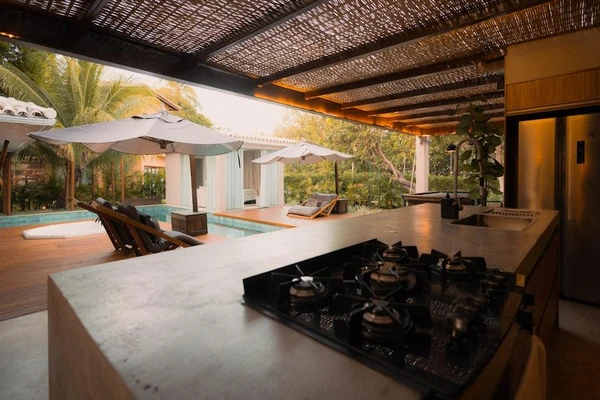
UV exposure can degrade many materials over time, leading to fading, cracking, and structural weakening. For decking, composite materials or PVC decking are increasingly popular alternatives to natural wood, as they are engineered to resist UV damage, rot, and insects, often requiring less maintenance. When it comes to outdoor kitchen cabinetry, marine-grade HDPE (High-Density Polyethylene) is gaining traction for its zero-maintenance properties and resistance to sun and moisture, outperforming even stainless steel in some aspects.
In coastal regions, salt air and high humidity demand materials that are highly corrosion-resistant. Marine-grade stainless steel is essential for appliances and hardware, while aluminum, natural stone, and composite decking also perform exceptionally well in these challenging environments.
When choosing materials, reputable contractors will evaluate several factors:
- Structural Performance: Can the material bear the necessary loads and stresses?
- Weather Resistance: How does it perform against specific local climate challenges?
- Lifecycle Cost: What are the long-term maintenance and replacement costs?
- Aesthetics: Does it align with the homeowner’s desired look and feel?
Homeowners should also inquire about warranties for both materials and workmanship. Many quality contractors offer multi-year warranties on their labor (e.g., 5-year workmanship, 12-month labor), and manufacturers often provide extensive warranties on their products, especially for high-performance decking or appliances. Understanding these guarantees provides peace of mind and ensures long-term satisfaction with your outdoor investment.
The Design-Build Process: From Concept to Final Walkthrough
One of the most efficient and homeowner-friendly approaches to outdoor living construction is the design-build model. This method streamlines the entire project by having a single entity responsible for both the design and construction phases under one contract. This eliminates potential miscommunications between separate designers and builders, ensuring a cohesive vision and smoother execution.
Planning Your Outdoor Living Construction Project
The journey begins with a thorough initial consultation and site evaluation. During this phase, the contractor will discuss your vision, lifestyle needs, and budget. They’ll assess your property’s unique characteristics, including sunlight patterns, wind direction, existing landscaping, and potential challenges like slopes or drainage issues. This is also where local zoning regulations and building permits come into play. Many outdoor projects, especially those involving structural work, utilities (gas, electrical, plumbing), or grading changes, require permits. A reputable contractor will handle the complex permitting process, ensuring compliance with local codes and HOA requirements.
Following the consultation, the design team will translate your ideas into a tangible plan. This often involves creating 3D design renderings that allow you to visualize your future outdoor space, making adjustments before construction even begins. This stage is crucial for confirming layouts, material selections, and overall aesthetics.
Executing the Outdoor Living Construction Phase
With the design finalized and permits secured, the construction phase commences. This typically involves several key steps:
- Site Preparation: This includes clearing the area, grading the land for proper water runoff, and preparing the foundation for structures. Effective drainage systems are paramount to prevent water accumulation, soil erosion, and long-term structural issues. Contractors integrate drainage planning into every aspect, from grading to base preparation.
- Utility Rough-In: If your project includes an outdoor kitchen, fire pit, or motorized pergola, utility integration is critical. This involves running gas lines, electrical circuits, and plumbing connections to the designated areas. This work must be performed by licensed professionals to ensure safety and compliance with codes.
- Structural Framing: For decks, pergolas, pavilions, and pool houses, the structural framework is erected. This stage emphasizes precision and adherence to engineering specifications, particularly concerning snow loads and wind resistance.
- Hardscape Installation: Patios, walkways, and retaining walls are installed, laying the groundwork for the entire outdoor environment.
- Finishing Touches: This includes installing decking, countertops, cabinetry, appliances, lighting, and any other decorative elements.
- Final Walkthrough: Upon completion, a comprehensive final walkthrough is conducted with the homeowner. This ensures every detail meets expectations and provides an opportunity for the contractor to explain maintenance requirements and operational instructions for any new features.
Throughout this process, effective project management is key. A design-build contractor acts as a single point of contact, coordinating all trades and materials, keeping the project on schedule and within budget, and communicating regularly with the homeowner.
Frequently Asked Questions About Outdoor Living Projects
What is the typical cost and timeline for building an outdoor kitchen or pool house?
The cost and timeline for outdoor living projects can vary significantly based on size, complexity, materials, and features.
- Outdoor Kitchens: According to current data, the average outdoor kitchen costs between $13,180 to $16,480 nationally in 2025. Basic setups might start around $5,060, while luxury builds with high-end appliances and extensive features can reach $40,755. For DIY enthusiasts, handling framing, tiling, and finishing can reduce costs to $7,000 to $10,000, with total DIY builds ranging from $7,000 to $17,000. Construction typically takes 4-8 weeks, though a basic DIY kitchen might take 2-4 weekends (excluding utility inspections or concrete curing). Savvy homeowners can also save 20-40% on appliances by purchasing during off-season sales.
- Motorized Pergolas: Installation generally takes 3-5 weeks, depending on the system’s complexity and site preparation.
- Pool Houses: These are more substantial structures, often requiring full utilities. Construction typically spans 8-14 weeks.
- Overall Projects: A full outdoor living space integrating multiple elements (kitchen, pergola, hardscaping) usually takes 8-14 weeks from groundbreaking to completion. It’s important to factor in additional time for design (which can take several weeks) and permit approvals (which can take 2-6 weeks in some jurisdictions like Bellevue, WA).
How do outdoor living projects add value and improve year-round usability?
Outdoor living projects are a significant investment that consistently adds value to a home, often recouping a substantial portion of their cost at resale. Beyond monetary value, they dramatically improve the home’s year-round usability and quality of life.
- Increased Living Space: By creating defined outdoor rooms, homeowners effectively expand their usable living area without the cost of a traditional indoor addition.
- Enhanced Entertainment: Dedicated spaces for dining, cooking, and lounging make hosting gatherings more enjoyable and convenient.
- Weather Protection: Features like motorized pergolas offer adaptable shade and rain protection, allowing homeowners to use their outdoor spaces more frequently, even during inclement weather. Heating systems (e.g., outdoor fireplaces, infrared heaters) extend usability into cooler months.
- Aesthetic Appeal: Well-designed outdoor spaces enhance curb appeal and create a more inviting environment.
- Lifestyle Improvement: They provide a dedicated retreat for relaxation, a dynamic play area for families, or a serene garden oasis, catering to diverse lifestyle needs.
What should homeowners look for when choosing an outdoor living contractor?
Selecting the right contractor is paramount to the success of your outdoor living project. Here are key factors to consider:
- Licensing and Insurance: Verify that the contractor is fully licensed (e.g., HIC registration in Massachusetts) and carries comprehensive general liability and workers’ compensation insurance. This protects you from potential liabilities.
- Local Expertise: Choose a contractor familiar with your local building codes, zoning regulations, and climate-specific construction requirements. They should understand frost depths, snow loads, and material performance in your region.
- Portfolio and References: Review their portfolio of completed projects, ideally local ones. Ask for references and speak to previous clients about their experience with the contractor’s communication, quality of work, and adherence to timelines and budgets.
- Design-Build Approach: A contractor offering integrated design and construction services can provide a more seamless experience, ensuring the design vision is accurately translated into the final build.
- Detailed Written Contract: Insist on a comprehensive contract that clearly outlines the project scope, materials, timeline, payment schedule, and warranty information. Avoid contractors who rely on verbal agreements for significant projects.
- Communication: Assess their communication style during the initial consultation. A good contractor will be transparent, responsive, and keep you informed throughout the project.
- Warranties: Inquire about both material warranties and their workmanship guarantee. A reputable contractor stands behind their work.
Conclusion
As we look towards the future in June 2026, the trend of expanding our homes into our outdoor environments continues to grow, offering unparalleled opportunities for relaxation, entertainment, and connection with nature. Outdoor living construction is more than just adding features; it’s about creating integrated, resilient, and beautiful spaces that enhance our daily lives and significantly increase our property’s value.
From the initial design consultation to the final walkthrough, a professional approach ensures that every detail, from material selection to utility integration, is handled with expertise. By understanding the scope of services, the importance of climate-resilient materials, and the benefits of a streamlined design-build process, homeowners can embark on their backyard transformation with confidence. Investing in quality outdoor living construction is a long-term investment in functional design, quality craftsmanship, and ultimately, a richer living experience.
