
Ensuring Safety and Comfort in Residential and Commercial Builds
Defining Building Safety and Comfort in Modern Architecture
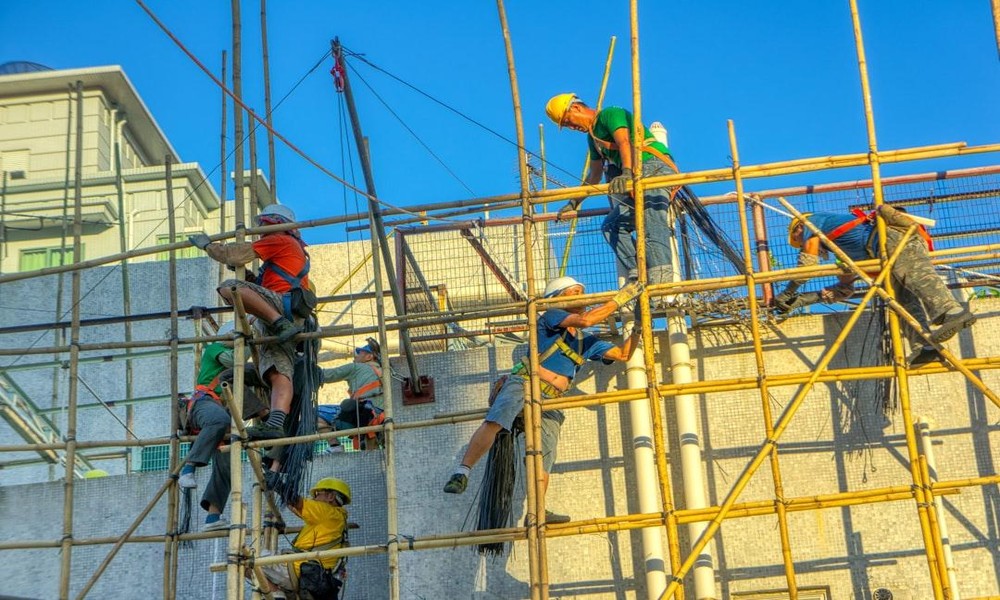
Beyond aesthetic appeal, a building’s true value is intrinsically linked to its ability to provide safety and comfort. Building safety, at its core, encompasses the structural integrity, habitability, resilience, and strict adherence to codes that protect occupants and property. As our global population continues its urban migration, with over 60 percent expected to reside in urban areas by 2050, and the global building stock projected to double by 2060, primarily in emerging economies, the imperative for robust building safety frameworks becomes undeniable. This growth necessitates meticulous risk mitigation, life safety provisions, and property preservation strategies to ensure our built environment can withstand the tests of time and unforeseen events. Organizations dedicated to evaluating these critical aspects, such as those specializing in Building safety and comfort testing, play a crucial role in verifying that structures meet the highest standards.
Distinguishing Safety from Security
While often used interchangeably, building safety and building security address distinct, though complementary, concerns. Building safety primarily focuses on preventing hazards and ensuring the physical well-being of occupants within the structure. This includes protection from structural failures, fire, natural disasters, and health risks like poor indoor air quality. It’s about designing and maintaining an environment that inherently minimizes danger. Building security, on the other hand, concentrates on physical protection against external threats, such as unauthorized access, theft, vandalism, or malicious acts. This involves measures like access control systems, surveillance, and secure entry points. Both are vital for occupant welfare, but they tackle different categories of risk.
The Evolution of Building Regulations
The concept of regulating building construction to ensure safety is far from new. Historical records indicate that building regulations date back to pre-biblical times, with ancient codes imposing severe punishments on laborers if structures collapsed and injured inhabitants. This historical context underscores a long-standing societal understanding that the integrity of our shelters directly impacts human life. Over centuries, these rudimentary rules evolved into sophisticated modern standards, moving beyond punitive measures to proactive, performance-based design principles. Today, a strong “safety culture” is paramount, emphasizing continuous improvement, risk assessment, and the integration of advanced engineering and materials to create structures that are not only safe but also resilient and sustainable.
Global Standards and Regulatory Frameworks
Ensuring buildings are safe and comfortable requires a harmonized approach to design, construction, and maintenance, guided by comprehensive standards and regulatory frameworks. These frameworks vary significantly across regions, reflecting local environmental conditions, construction practices, and cultural priorities. Understanding these differences is crucial for anyone involved in the built environment.
Regional Variations in Safety Codes
In the United States, key players include the International Code Council (ICC), which develops model-building codes such as the International Building Code (IBC), and the National Fire Protection Association (NFPA), responsible for a vast array of fire and life safety codes. These model codes are then adopted and often modified by local jurisdictions to suit specific regional needs.
Across the Atlantic, the United Kingdom operates under the Department for Levelling Up, Housing and Communities (DLUHC) and the Building Regulations 2010, which set out requirements for health, safety, welfare, convenience, and sustainable use of resources. The European Union, while not having a single building code, influences national standards through directives like the Energy Performance of Buildings Directive (EPBD), which promotes energy efficiency and indoor environmental quality.
Australia’s building regulations are overseen by the Australian Building Codes Board (ABCB), which publishes the National Construction Code (NCC), a performance-based code covering all aspects of building construction. Similarly, Canada’s National Research Council (NRC) develops the National Building Code of Canada (NBC), which serves as a model code for provinces and territories. These regional variations highlight the need for careful navigation of compliance documentation and regulatory adherence, often requiring the expertise of dedicated safety professionals.
The global commitment to building safety is further highlighted by initiatives like International Building Safety Day (IBSD), celebrated annually on May 22. This day promotes global awareness of the importance of building safety and recognizes the professionals who uphold these critical standards. It also ties into broader objectives, such as the United Nations Sustainable Development Goal 11 (UN SDG 11), which aims to make cities and human settlements inclusive, safe, resilient, and sustainable.
The Role of Fire and Life Safety Standards
Fire and life safety standards form a critical pillar of building safety programs. These standards, often developed by organizations like the NFPA, are designed to prevent fires, protect occupants during a fire event, and facilitate safe evacuation. Key elements include:
- Passive Fire Protection: This involves the use of fire-resistant materials in walls, floors, and ceilings, as well as compartmentation strategies to contain fire and smoke.
- Egress Routes: Clear, well-marked, and unobstructed emergency exits and pathways are paramount, ensuring that occupants can safely evacuate a building in a timely manner.
- Fire-Resistant Materials: From structural components to interior finishes, the selection of materials with appropriate fire ratings is essential to slow fire spread and maintain structural integrity.
- Detection Systems: Smoke detectors, heat detectors, and fire alarms provide early warning, allowing occupants to react quickly and emergency services to respond effectively.
The devastating consequences of events like the Station nightclub fire in 2003, where blocked exits and flammable materials led to tragic loss of life, underscore the critical importance of adhering to these stringent fire and life safety standards.
The Science of Human Comfort and Indoor Air Quality
Human comfort within a building is not merely a luxury; it’s a fundamental aspect of health, productivity, and overall well-being. Several interconnected factors contribute to how comfortable occupants feel, and these factors also have significant implications for safety and efficiency.
The primary factors influencing human comfort include:
- Air Temperature: The most obvious comfort factor, typically perceived as comfortable between 70°F and 80°F for most people.
- Relative Humidity: The amount of moisture in the air. A comfortable range is generally between 30% and 70%. High humidity can lead to a sticky feeling and promote mold growth, while low humidity can cause dry skin and respiratory irritation.
- Radiant Temperature: The temperature of surrounding surfaces (walls, windows, ceilings). A person might feel cold even in a warm room if they are next to a cold window (radiant asymmetry), or hot if under a poorly insulated attic radiating heat downwards.
- Air Movement: Gentle air movement can enhance comfort in warmer conditions, creating a “wind-chill” effect. However, excessive drafts in cooler temperatures can cause discomfort.
These factors profoundly impact not only occupant satisfaction but also building safety and energy efficiency. For instance, maintaining optimal thermal comfort through efficient HVAC systems directly influences Charleston AC comfort costs and operational expenses. When HVAC systems are inefficient, such as those with dirty condenser coils, they can use up to 37% more energy, driving up costs and potentially compromising comfort. ASHRAE Standard 55, “Thermal Environmental Conditions for Human Occupancy,” provides comprehensive guidelines for achieving acceptable thermal comfort, considering personal factors like metabolic rate and clothing insulation, alongside environmental variables.
Integrating Building Safety and Comfort through Ventilation
Proper ventilation and indoor air quality (IAQ) are critical for both building safety and occupant comfort, directly impacting health and even energy efficiency. Optimizing ventilation has been associated with reduced absenteeism, fewer sick building syndrome symptoms, and improved task performance, as highlighted in a 2023 study by Mendell et al.
ASHRAE Standard 62.1, “Ventilation for Acceptable Indoor Air Quality,” sets the benchmark for minimum ventilation rates. Monitoring CO2 levels serves as a useful proxy for ventilation effectiveness; ASHRAE standards suggest acceptable minimum ventilation rates correspond to CO2 levels of ≤965 ppm for offices, ≤580 ppm for hospitals, and ≤1,010-1,210 ppm for schools. Regular testing and balancing procedures, as required by ASHRAE 62.1 every five years for commercial buildings, ensure that these systems operate as intended.
Effective ventilation helps dilute and remove a range of common indoor pollutants, including:
- Volatile Organic Compounds (VOCs): Emitted from paints, cleaning products, and furnishings.
- Carbon Monoxide (CO): A colorless, odorless gas from combustion appliances.
- Radon Gas: A naturally occurring radioactive gas that can seep into buildings from the ground.
- Particulate Matter: Dust, pollen, pet dander, and other airborne particles.
- Microbes: Mold spores, bacteria, and viruses.
- Allergens: Dust mites and other biological contaminants.
Integrating high-efficiency particulate air (HEPA) filtration systems further enhances IAQ by capturing these microscopic pollutants, contributing to a healthier and more comfortable indoor environment.
Humidity Control and Occupant Health
Especially in humid climates like Charleston, South Carolina, effective humidity control is a non-negotiable aspect of building safety and comfort. High indoor humidity levels can lead to a host of problems, including:
- Mold and Mildew Growth: These fungi thrive in moist conditions, leading to structural damage, unpleasant odors, and significant health risks, particularly for individuals with allergies or respiratory conditions.
- Dust Mite Proliferation: Dust mites, common allergens, flourish in high humidity.
- Structural Damage: Prolonged excessive moisture can warp wood, degrade insulation, and damage building materials.
- Discomfort: High humidity makes warm temperatures feel even hotter, increasing discomfort and the risk of heat-related illnesses.
Conversely, excessively low humidity can cause dry skin, chapped lips, and respiratory discomfort. The ideal indoor relative humidity range is typically between 30% and 60% year-round, with slightly different targets for winter (30-40%) and summer (50-60%) in subtropical regions. Strategies like whole-house dehumidification systems, proper ventilation, and routine HVAC maintenance are crucial for effective moisture management, protecting both the building and its occupants.
Best Practices for Proactive Building Management
Effective building safety and comfort don’t happen by accident; they are the result of diligent, proactive management. Organizations must implement a systematic approach that integrates multiple layers of oversight and action.
Key best practices include:
- Regular Assessments: Conduct frequent and thorough building safety assessments. These should consider factors such as the building’s age, occupancy type, and recent regulatory changes.
- Clear Roles and Responsibilities: Establish unequivocal roles, responsibilities, and accountability for all stakeholders involved in building safety, from management to individual occupants. This fosters a culture where everyone understands their part in maintaining a safe environment.
- Comprehensive Safety Management Plans: Develop a detailed plan that outlines hazard identification, risk evaluation, emergency procedures, and protocols for ongoing maintenance and inspections.
- Preventive Maintenance: Implement a robust preventive maintenance schedule for all critical building systems, including HVAC, fire alarms, electrical systems, and structural components. This proactive approach helps identify and address potential issues before they escalate into safety hazards.
- The Golden Thread: Embrace the concept of the “Golden Thread,” which ensures that vital building information, from design to construction and ongoing maintenance, is consistently documented, accessible, and updated throughout the building’s lifecycle. This promotes transparency and accountability.
- Emergency Preparedness: Conduct regular emergency drills, including fire evacuations and disaster response exercises. Provide first-aid training and ensure clear communication channels are in place for emergencies.
- Stakeholder Communication: Maintain open and consistent communication with all building occupants, informing them of safety protocols, changes, and emergency procedures.
For comprehensive design and build solutions that prioritize both safety and occupant well-being, exploring resources like LETTER FOUR design-build safety and comfort can provide valuable insights into integrated approaches.
Leveraging Technology for Building Safety and Comfort
Modern technology offers powerful tools to enhance building safety and comfort management, moving beyond traditional manual processes to provide real-time insights and proactive responses.
- Smart Sensors: Deploying smart sensors throughout a building can monitor critical parameters such as air quality (CO2, VOCs, particulate matter), temperature, humidity, and even structural integrity. These sensors provide continuous data, alerting facility managers to anomalies or potential issues before they become serious problems.
- Building Automation Systems (BAS): A BAS integrates various building systems-HVAC, lighting, security, fire-into a centralized control platform. This allows for automated adjustments based on occupancy, environmental conditions, and predefined safety protocols, optimizing comfort and energy efficiency simultaneously.
- Real-time Monitoring and Alerts: Digital platforms can consolidate data from sensors and BAS, providing facility managers with a real-time dashboard of building performance. Automated alerts can be configured to notify relevant personnel immediately of critical events, enabling rapid response to emergencies or system malfunctions.
- Mobile Inspections and Digital Workflows: Tablet-based applications allow inspectors to conduct detailed safety checks on-site, capturing data, photos, and observations digitally. This streamlines the inspection process, reduces errors, and ensures that findings are immediately logged and accessible. Cloud-based solutions can automate plan reviews and inspection workflows, enhancing compliance and efficiency.
- GIS Integration: Geographic Information Systems (GIS) can be integrated with safety management platforms to provide location-specific data, optimize inspection routes, and visualize potential hazards or emergency routes on a map.
- Data-Driven Decisions: The wealth of data collected through these technologies enables organizations to make informed, data-driven decisions about maintenance schedules, system upgrades, and safety policy adjustments, leading to continuous improvement in building performance.
Identifying Warning Signs of Unsafe Structures
Vigilance is key to preventing accidents and ensuring long-term building safety. Recognizing common warning signs of an unsafe building is crucial for timely intervention through inspections and preventive maintenance. These signs can manifest in various ways:
- Structural Cracks: Cracks in foundations, walls, or ceilings, especially those that are wide, growing, or appear in unusual patterns, can indicate structural distress.
- Blocked Exits and Pathways: Any obstruction of emergency exits, stairwells, or corridors poses a severe safety risk, hindering evacuation during an emergency.
- Poor Air Circulation: Stuffy, stale air, persistent odors, or visible mold growth can signal inadequate ventilation and poor indoor air quality, impacting occupant health.
- Moisture Intrusion: Water stains, peeling paint, musty smells, or visible leaks indicate moisture problems that can lead to mold, structural damage, and electrical hazards.
- Equipment Failure: Malfunctioning HVAC systems, flickering lights, strange noises from electrical panels, or non-responsive fire alarms are clear indicators that critical systems are compromised.
- Visible Deterioration: Sagging floors, rotting wood, corroded metal, or crumbling concrete are overt signs of neglect and potential structural failure.
- Unusual Sounds or Vibrations: Persistent creaking, groaning, or shaking that is not typical for the building could indicate underlying structural issues.
Regular, scheduled inspections and a robust preventive maintenance program are the most effective ways to identify and address these warning signs proactively, ensuring the building remains safe and compliant.
Frequently Asked Questions about Building Safety
What are the primary warning signs of an unsafe building?
The primary warning signs of an unsafe building include structural cracks (especially in foundations or load-bearing walls), blocked or obstructed emergency exits, persistent poor indoor air quality (stale air, odors, mold), visible moisture intrusion (leaks, water stains), malfunctioning critical equipment (HVAC, electrical, fire safety systems), and general deterioration such as sagging floors, rotting materials, or corroded components. Unusual sounds like persistent creaking or groaning can also be indicative of underlying structural issues.
What documentation is required for building safety compliance?
Building safety compliance requires a comprehensive set of documentation. This typically includes:
- Building Permits and Approvals: Records of all construction, renovation, and occupancy permits.
- Architectural and Engineering Drawings: Approved plans detailing structural, mechanical, electrical, and plumbing systems.
- Inspection Reports: Documentation of all safety inspections, including fire, structural, electrical, and HVAC, with records of any deficiencies and corrective actions.
- Maintenance Records: Logs of routine and preventive maintenance for all building systems and equipment.
- Emergency Plans: Detailed fire safety plans, evacuation routes, and disaster preparedness procedures.
- Occupancy Certificates: Official documents certifying that the building is safe for its intended use.
- Compliance Certificates: Proof of adherence to specific codes and standards (e.g., ASHRAE, NFPA).
- Training Records: Documentation of safety training provided to staff and occupants.
Maintaining a “Golden Thread” of information, ensuring these documents are organized, accessible, and regularly updated, is crucial for ongoing compliance and accountability.
How does ventilation impact both safety and energy efficiency?
Ventilation profoundly impacts both building safety and energy efficiency. From a safety perspective, proper ventilation is essential for maintaining healthy indoor air quality (IAQ) by diluting and removing pollutants such as VOCs, carbon monoxide, radon, and airborne pathogens. Inadequate ventilation can lead to the accumulation of these harmful substances, posing serious health risks and contributing to “sick building syndrome.”
From an energy efficiency standpoint, ventilation systems, particularly mechanical ones, consume significant energy. However, optimizing ventilation can lead to substantial energy savings. For example, demand-controlled ventilation (DCV) systems use CO2 sensors to adjust outdoor air intake based on actual occupancy, preventing over-ventilation of empty spaces. Similarly, efficient heat recovery ventilation (HRV) or energy recovery ventilation (ERV) systems minimize energy loss by transferring heat or energy between exhaust and incoming fresh air. While dirty condenser coils can increase energy consumption by up to 37%, well-maintained and optimized ventilation systems, guided by standards like ASHRAE 62.1, can significantly reduce energy use while simultaneously enhancing IAQ and occupant comfort.
Conclusion
The journey towards creating truly safe and comfortable buildings is a continuous one, demanding a holistic perspective that integrates design, technology, and human factors. It’s about recognizing that a building is more than just a shelter; it’s an environment that profoundly influences our health, productivity, and peace of mind. By embracing future-proof design principles, prioritizing sustainability and resilience, implementing proactive maintenance, and leveraging cutting-edge technology, we can construct and manage spaces that not only meet but exceed expectations. Our collective commitment to building safety and comfort is an investment in the well-being of individuals, the longevity of our properties, and the sustained success of our communities.