

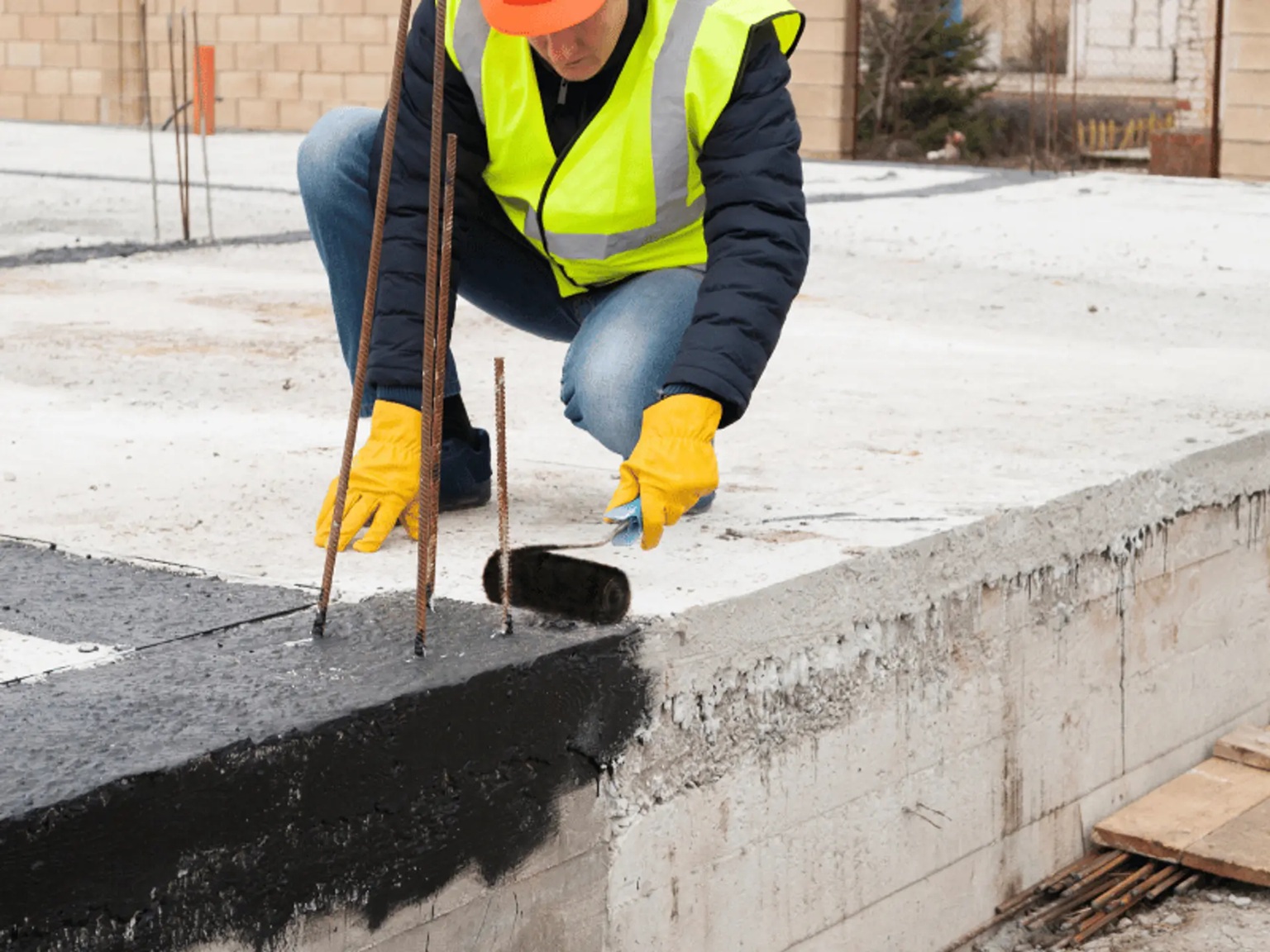
Waterproofing contractors play a critical role in protecting buildings from one of the most persistent threats to any structure – water damage. In a tropical climate like Singapore’s, where heavy rainfall is a year-round reality, the need for professional waterproofing is not a luxury but a necessity. Left unchecked, water infiltration can compromise foundations, corrode reinforcements, and create the damp conditions that invite mould growth and structural decay.
Understanding Why Leaks Happen
Water finds its way into buildings through a surprising number of pathways. Cracks in concrete walls, deteriorating roof membranes, poorly sealed joints around windows, and ageing plumbing all create entry points. Over time, even small leaks cause significant damage. Paint peels, plaster crumbles, and the musty smell of trapped moisture becomes impossible to ignore.
The challenge is that water damage often develops out of sight. By the time visible signs appear – stains on ceilings, bubbling paint, damp patches on walls – the underlying problem may have been growing for months. This is precisely why professional waterproofing specialists are so valuable. They identify vulnerabilities before they become costly emergencies.
Roof Waterproofing Services
The roof is a building’s first line of defence against rain, and it takes a relentless beating in Singapore’s climate. Professional waterproofing contractors offer several roof protection services:
- Membrane application – liquid-applied or sheet-based membranes create a seamless barrier across the entire roof surface
- Torch-on waterproofing – modified bitumen sheets are heat-bonded to the roof for a durable, long-lasting seal
- Roof coating systems – reflective coatings protect against both water penetration and UV damage, extending the roof’s lifespan
- Drainage improvement – ensuring water flows efficiently towards gutters and downpipes rather than pooling on flat surfaces
A well-maintained roof keeps everything beneath it dry. Neglect it, and every floor below eventually suffers the consequences.
Bathroom and Wet Area Waterproofing
Bathrooms, kitchens, and laundry areas are the most common sources of internal leaks. Water splashes against tiles daily, seeps into grout lines, and works its way through any gap in the waterproof membrane beneath. Over time, this moisture migrates into walls and floors, damaging adjacent rooms.
Professional waterproofing specialists address wet area problems with targeted solutions:
- Membrane installation beneath tiles to create a watertight barrier
- Joint and grout sealing to prevent water from penetrating tile surfaces
- Floor trap and pipe penetration sealing to close gaps where plumbing passes through slabs
As former Prime Minister Lee Kuan Yew once observed, “We always have to be ahead of the problem.” In waterproofing, this means treating wet areas properly during construction or renovation rather than waiting for leaks to appear.
Basement and Below-Ground Waterproofing
Basements and underground car parks face constant hydrostatic pressure from groundwater. Without proper protection, water pushes through walls and floor slabs, leading to persistent dampness, corrosion of steel reinforcements, and even structural concerns over time.
Waterproofing contractors use specialised techniques for below-ground areas:
- Cementitious waterproofing – a cement-based coating applied to interior walls and floors that bonds directly with the concrete
- Crystalline waterproofing – chemicals that penetrate the concrete and form crystals within its pores, blocking water passage permanently
- External membrane systems – applied to the outside of the structure before backfilling to prevent water from reaching the concrete at all
These methods are often combined for maximum protection, particularly in buildings with deep basements or those situated in areas with high water tables.
Leak Detection Services
Finding the exact source of a leak is often harder than fixing it. Water travels along hidden pathways inside walls, ceilings, and floor slabs before emerging far from the original entry point. Modern leak detection contractors use advanced tools to trace water back to its source without unnecessary demolition:
- Thermal imaging cameras detect temperature differences caused by moisture behind walls and under floors
- Moisture meters measure dampness levels in materials to pinpoint affected areas
- Electronic leak detection identifies breaches in waterproof membranes on roofs and balconies
Accurate detection saves time, money, and disruption. Rather than tearing out large sections of flooring or walling to hunt for a leak, targeted detection allows waterproofing repair specialists to address the precise problem area.
Exterior Wall and Facade Waterproofing
External walls are exposed to wind-driven rain, temperature changes, and pollution, all of which degrade their protective surfaces over time. Cracks develop in rendered walls, sealant around windows shrinks and pulls away, and water begins to penetrate.
Facade waterproofing services include applying water-repellent coatings, re-sealing expansion joints, and repairing cracks before they allow moisture inside. These preventive measures protect not only the building’s structure but also its appearance and market value.
Preventive Maintenance: The Smartest Investment
The most effective waterproofing strategy is one that prevents problems rather than reacting to them. Regular inspections by qualified waterproofing contractors catch early signs of membrane failure, sealant degradation, and drainage blockages before they escalate into expensive repairs.
A preventive maintenance programme typically includes annual roof inspections, periodic checks of wet areas and basements, and prompt repair of any cracks or joint failures identified during the assessment. Buildings that follow this approach consistently spend less on emergency repairs and enjoy longer intervals between major waterproofing overhauls.
Protecting a building from water damage requires expertise, the right materials, and a proactive mindset. Experienced waterproofing contractors deliver all three, ensuring that leak prevention remains a priority rather than an afterthought.
