
How New Windows Help Save Energy at Home
Key Takeaways
- Modern windows can significantly reduce energy consumption and lower utility bills.
- Technologies like Low-E coatings and multiple panes enhance insulation.
- Federal tax credits and rebates are available to offset the cost of installing energy-efficient windows.
Table of Contents
- Understanding Energy Loss Through Windows
- Modern Window Technologies That Enhance Efficiency
- Financial Incentives for Upgrading Windows
- Choosing the Right Windows for Your Home
- Proper Installation: A Key to Maximizing Benefits
- Additional Benefits of Energy-Efficient Windows
- Cost Considerations and Budgeting
- Conclusion
Upgrading your home’s windows boosts aesthetics and efficiency. Though costly initially, new windows offer energy savings, comfort, and increased home value. Modern technology reduces energy loss, helping homeowners lower costs and enjoy a warmer home. If you are weighing the cost of new windows Fort Worth, understanding these benefits can help you make an informed choice tailored to your needs and region.
Advanced window features like Low-E glass and multi-pane construction keep indoor air warm or cold, reducing utility bills and improving system efficiency. These upgrades extend the system’s lifespan and reduce maintenance costs. Whether renovating, building, or replacing windows, understanding their energy-saving benefits helps homeowners maximize investment.
Understanding Energy Loss Through Windows
Windows are among the largest sources of unwanted heat gain and loss in most homes. According to the U.S. Department of Energy, heat transfer through windows accounts for about 25% to 30% of residential heating and cooling energy use. Older, single-pane windows offer little resistance to external temperatures, often forcing HVAC systems to work harder during peak seasons. This inefficiency quickly adds up, especially in regions with wide temperature fluctuations and extreme weather.
Modern Window Technologies That Enhance Efficiency
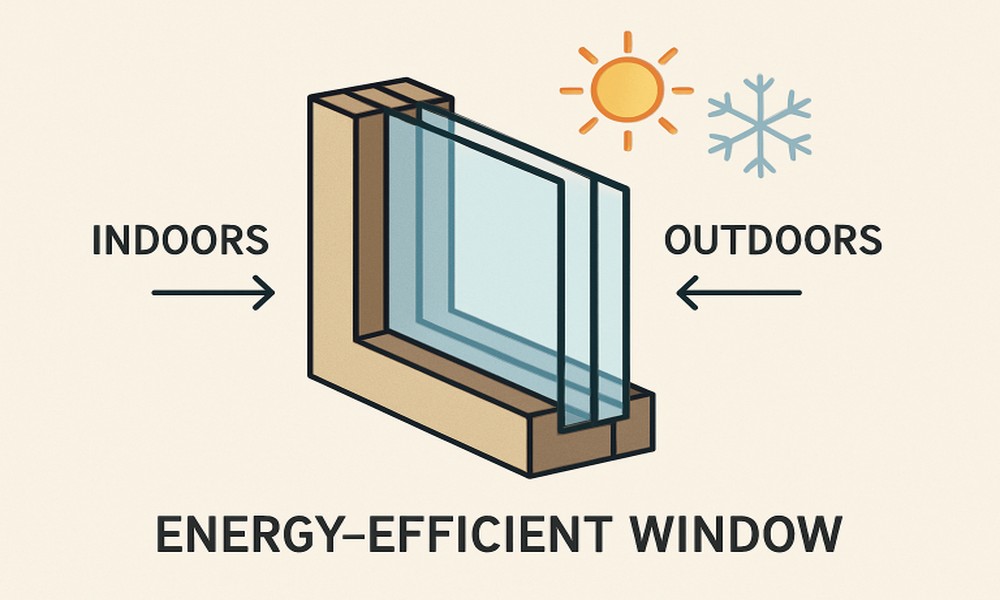
Recent innovations in residential windows have significantly enhanced their performance and energy efficiency through key features. Low-E glass technology utilizes a microscopically thin coating to reflect infrared heat, maintaining warmth in winter and coolness in summer while also filtering out harmful ultraviolet rays that can cause fading of furniture and floors. Additionally, the adoption of double- or triple-pane windows filled with inert gases such as argon or krypton creates an effective barrier that greatly reduces heat transfer and noise pollution, making these insulated glass units a preferred choice for energy-conscious homeowners. Furthermore, advancements in window frame materials, including vinyl, fiberglass, and composites, offer improved thermal resistance and durability compared to traditional wood or aluminum frames, enhancing the overall performance of modern windows.
Switching to these advanced windows has been shown to provide significant savings and improved comfort. For more technical information, the U.S. Department of Energy’s Energy Saver guide provides details on the features and benefits of modern energy-efficient windows.
Financial Incentives for Upgrading Windows
Energy-efficient windows often have a high upfront cost, but programs can offset this. The federal tax credit under the Inflation Reduction Act offers homeowners a 30% credit up to $600 annually for ENERGY STAR-certified windows. Many states and utilities also provide rebates or low-interest loans to encourage upgrades. Check all incentives and program rules before starting, as they can reduce the payback period and offer peace of mind.
Choosing the Right Windows for Your Home
Finding the best windows for your house involves more than just comparing prices and styles. Important factors include your geographic location, the orientation and size of your windows, and the overall design of your home. For example, homes in colder climates benefit from higher insulation values, while those in sunny or temperate regions may prioritize solar heat gain coefficients. The ENERGY STAR label is an excellent starting point, as products that carry this designation have met rigorous standards specific to your climate zone. Consulting a reputable contractor ensures you consider all factors and select windows that will deliver the highest efficiency and value.
Proper Installation: A Key to Maximizing Benefits
No matter how advanced your new windows are, incorrect installation can negate all their efficiency gains. Air leaks, gaps, and poor sealing around the frame compromise performance and can even cause water infiltration or structural damage over time. Professional installers follow best practices and manufacturer guidelines, ensuring your investment pays dividends for decades. Consider choosing certified or well-reviewed installers who offer labor warranties to further protect your home.
Additional Benefits of Energy-Efficient Windows
Updating windows offers several benefits beyond reduced energy bills. Enhanced comfort is achieved by regulating indoor temperatures, eliminating winter cold drafts, and summer hot spots. Noise reduction is facilitated through multi-pane construction and better seals, resulting in a quieter home. UV protection is provided by Low-E coatings, which block much of the sun’s harmful ultraviolet rays, helping to prevent fading of carpets, artwork, and furnishings. Additionally, energy-efficient upgrades can increase home value, appealing to buyers interested in sustainability and potential utility savings, thereby enhancing resale value.
Cost Considerations and Budgeting
The total cost of upgrading your windows varies depending on materials, features, the number of windows being replaced, and the complexity of your project. On average, homeowners can expect to pay between $400 to $900 per window, including installation. Obtaining multiple quotes from reputable installers can help ensure competitive pricing and a clear understanding of what each proposal includes. Remember to factor in federal tax credits and local utility rebates when calculating your overall investment. These savings can make high-efficiency windows more affordable than you might expect in the long run.
Conclusion
New energy-efficient windows are a smart home improvement choice for anyone looking to lower utility bills, improve year-round comfort, and increase property value. With helpful incentives, ongoing technological advancements, and professional installation, upgrading your windows provides both immediate and ongoing returns. Explore your options, take advantage of available resources, and start enjoying the benefits of a more energy-efficient home.