
Why Reclaimed Wood is the Gold Standard for Eco-Friendly Architecture in 2026
The integration of reclaimed wood into high-end architectural projects has evolved from a niche aesthetic preference into the definitive benchmark for sustainable construction in 2026. As global building standards shift toward mandatory carbon neutrality, architects and developers are increasingly bypassing newly harvested timber in favor of historical wood salvaged from decommissioned structures. This transition is driven by a sophisticated understanding of resource lifecycles, where the reuse of centuries-old beams and planks represents the pinnacle of circular economy principles. Choosing reclaimed materials is no longer merely an artistic statement; it is a strategic response to the urgent need for decarbonizing the built environment while maintaining an uncompromising standard of luxury and durability.
The Decisive Role of Embodied Carbon in Modern Construction
The primary factor establishing reclaimed wood as the gold standard in 2026 is its exceptionally low embodied carbon profile. Unlike new timber, which requires energy-intensive harvesting, industrial kiln drying, and extensive logistical processing, reclaimed wood has already performed its primary environmental task by sequestering carbon for decades or even centuries. By repurposing this existing material, the architectural sector avoids the emissions associated with the primary production of building materials. Furthermore, the act of salvaging wood prevents it from entering landfills or being incinerated, both of which would release stored CO2 back into the atmosphere, thereby extending the carbon storage cycle indefinitely within a new architectural context.
Surpassing LEED and BREEAM Standards Through Material Reuse
In the current landscape of international green building certifications, the utilization of authentic reclaimed timber provides a significant advantage in achieving the highest tiers of accreditation. Modern 2026 frameworks place a premium on “material provenance” and “post-consumer recycled content,” categories where antique wood excels naturally. Projects incorporating salvaged elements often see a smoother path to Platinum status, as these materials demonstrate a measurable reduction in the environmental impact of the building’s lifecycle. This certification is not just a badge of honor but a tangible asset that increases the market valuation of a property, attracting institutional investors and private buyers who prioritize long-term ecological responsibility.
The Superior Stability of Centuries-Old Timber Fibers
Beyond the ethical considerations, the technical superiority of reclaimed wood makes it an indispensable asset for high-performance architecture. Having been exposed to natural seasoning processes over a century, the wood has achieved a level of dimensional stability that modern, fast-growing timber cannot replicate. The moisture content in reclaimed beams has reached a permanent equilibrium, meaning the material is far less prone to warping, shrinking, or splitting when installed in environments with advanced climate control or underfloor heating systems. This structural reliability ensures that the architectural integrity of a building remains pristine for generations, reducing the need for future repairs or replacements and thus further lowering the long-term environmental cost.
Aesthetic Authenticity as a Catalyst for Biophilic Design
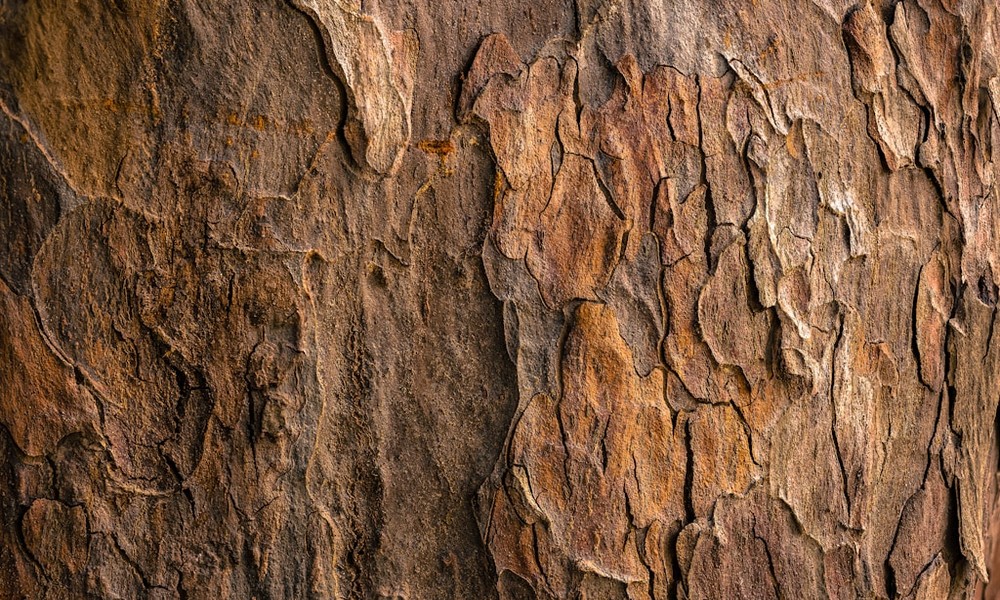
The architectural movement of 2026 places a profound emphasis on biophilia-the innate human connection to the natural world-and reclaimed wood is the most effective medium for achieving this harmony. The sun-bleached patinas, original saw marks, and weathered textures of old-growth timber provide a sensory richness that synthetic or new materials lack. These organic imperfections act as a counterpoint to the sharp lines of contemporary steel and glass, creating spaces that feel grounded and timeless. In high-traffic commercial spaces or luxury residential retreats, the presence of reclaimed wood has been scientifically linked to lower stress levels and improved cognitive function, making it a critical component of wellness-focused design.
Historical Provenance as a Unique Value Proposition
Every piece of reclaimed wood carries a narrative of a bygone era, offering a level of exclusivity that is highly coveted in the 2026 luxury market. Whether the timber originated from an 18th-century granary in Central Europe or a decommissioned industrial wharf, its history adds a layer of “storytelling” to the architecture. This narrative depth transforms a building from a mere structure into a cultural landmark. In an age of mass production, the ability to specify a material that is literally impossible to manufacture provides a unique selling point that resonates with clients who view their homes as a legacy. This blend of historical significance and modern application defines the current peak of architectural sophistication.
Integrating Circularity Without Compromising Modern Performance
The challenge of 2026 architecture is to marry ancient materials with cutting-edge technology, a feat that reclaimed wood accomplishes with remarkable versatility. Modern finishing techniques, such as invisible nano-coatings and precision CNC milling, allow reclaimed planks to meet the most stringent fire safety and hygiene standards without losing their raw, authentic character. Architects are now using salvaged timber for everything from acoustic ceiling baffles to high-traffic flooring and exterior cladding. This seamless integration proves that sustainability does not require a sacrifice in functionality or opulence; rather, it enhances the project by providing a material that is ecologically sound, technically superior, and visually unparalleled.