

Key Takeaways
- Regular inspections and maintenance are crucial for the longevity of your roof.
- Choosing suitable materials and ensuring professional installation prevents early deterioration.
- Addressing minor issues immediately helps avert costly structural damage and repairs.
Roofs are one of the most critical investments homeowners make, protecting families and possessions from the elements year-round. Ensuring your roof stands the test of time requires diligence, smart choices, and ongoing maintenance. Homeowners who want to maximize their roof’s performance and lifespan should consider best practices around materials, installation, and care. Learn more about renovation and roof cost by consulting the EMC exterior renovation roof cost guide for professional advice and reliable pricing details.
By being proactive and informed, you can extend your roof’s lifespan by decades, improve energy efficiency, and save thousands in costly repairs. The long-term condition of your roof depends just as much on the initial installation as on your attention to routine care and timely repairs. Below, we’ll cover key practices and common pitfalls to avoid when caring for your roof for years to come. Understanding all aspects of home exteriors can further enhance your property’s lifespan and performance. For information on comprehensive exterior improvements, explore Window and door exterior renovations to ensure your property is equipped against the elements on all fronts.
Understanding Roofing Materials and Their Lifespans
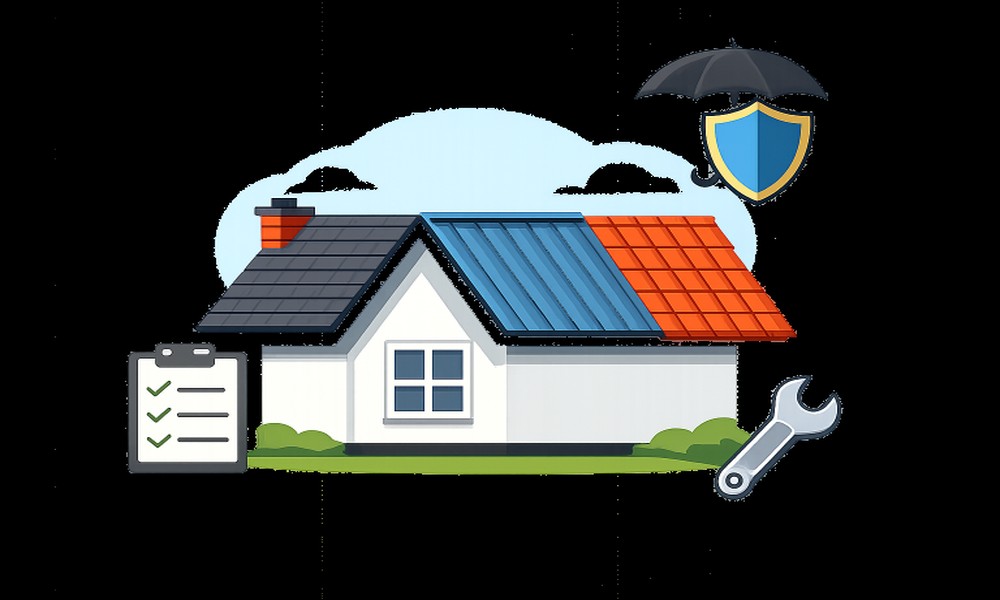
Choosing the right roofing material is essential to maximize both durability and cost-effectiveness. Each material comes with unique benefits and suitable climates:
- Asphalt Shingles: These are the most popular choice due to affordability, lasting around 15 to 30 years. Premium architectural shingles may last up to 50 years, offering enhanced wind and weather resistance.
- Metal Roofs: Metal is prized for low maintenance and durability, with an impressive lifespan of 40 to 70 years. Metal also provides excellent resistance to fire and severe weather.
- Concrete and Clay Tiles: Known for their longevity, these tiles can easily last over 50 years. Their weight and installation cost are higher, but they offer unmatched durability in many climates.
Importance of Professional Installation
Proper installation is the cornerstone of a long-lasting roof. Even the highest-quality roofing will deteriorate quickly if installed improperly. Professional installers ensure:
- Correct sealing and alignment to prevent leaks and water damage.
- Compliance with local building codes, ensuring your home is protected and up to legal standards.
- Eligibility for warranties from manufacturers, which often require professional installation to remain valid.
Regular Maintenance: A Proactive Approach
Maintaining your roof is an ongoing process, but it yields excellent returns in longevity and lower repair costs. Key steps include:
- Seasonal Inspections: Examine the roof after each season and following major storms for damage, missing shingles, or cracked flashing. Early detection is crucial.
- Gutter Maintenance: Clean your gutters at least twice a year. Clogged gutters can trap water on your roof, leading to leaks, rot, or ice dams in colder climates.
- Address Minor Repairs: Do not ignore small problems. Repair cracked shingles, damaged flashing, and other issues promptly to prevent major structural concerns.
In addition to these basics, consider scheduling an annual professional inspection to catch potential issues that might not be visible to the untrained eye. A professional can also provide recommendations for minor upgrades or identify early warning signs, such as granule loss on shingles or subtle warping on your roof deck, which might be easy to overlook. Proactive investment in periodic inspections can pay off with fewer major repairs and a longer-lasting roof, especially when combined with solutions like durable exterior home finishes that enhance overall protection.
Ensuring Proper Ventilation
Adequate attic ventilation is essential for preventing moisture buildup and heat retention under your roof. Without proper airflow, your roof may suffer from mold, mildew, and even warped decking. Make sure your attic vents are clear, and consider consulting a professional to optimize airflow or install ridge and soffit vents as needed.
Good ventilation helps moderate attic temperatures during summer, so your roof isn’t subjected to excessive heat, which can degrade materials over time. In winter, adequate airflow helps prevent ice dams, which form when warm air trapped in the attic melts snow on the roof. This water refreezes at the eaves, causing damage. A balanced ventilation system is critical regardless of local climate conditions, and improvements to ventilation are often relatively easy compared to full replacements.
Protecting Against Extreme Weather
In areas prone to storms, high winds, or hail, selecting proper defenses will further safeguard your investment:
- Install durable, securely fastened edge materials and starter strips to help prevent shingle blow-off during winds.
- Opt for roofing materials rated for impact resistance so they can withstand hail or falling debris.
- Ensure thorough drainage with clean gutters, well-placed downspouts, and ice dam prevention if you live where snow is likely.
Additionally, consider upgrading to a weather-resistant underlayment, which provides an extra barrier of protection beneath the main roofing material. Some regions may benefit from using hurricane straps or reinforced flashing to further secure the structure against gale-force winds. For homeowners in wildfire-prone regions, fire-resistant roofing and proper vegetative clearing around the home are recommended strategies to minimize risk and potential damage during extreme events. Taking steps tailored to your local hazards will not only preserve your roof but also improve safety and insurance outcomes.
Common Mistakes to Avoid
Avoid letting routine checks or minor repairs slide. Common pitfalls that shorten roof life include:
- Neglecting Regular Inspections: Skipping annual roof reviews can let small problems develop unnoticed into bigger issues.
- Improper Gutter Care: Not cleaning out gutters may lead to water infiltration, sagging edges, and increased mold risk.
- DIY Repairs Without Proper Experience: Unskilled repairs can do more harm than good. Always call professionals for anything beyond minor maintenance.
- Ignoring Attic and Ventilation Needs: Overlooking the performance of attic and roof ventilation could compromise your roof’s resilience, especially during seasonal changes or severe weather events.
- Delaying Replacements: Waiting too long to replace failing roofing materials can risk water intrusion and extensive interior or structural damage, making repairs more expensive than timely replacement would have been.
Advanced Roofing Technologies and Sustainability Options
As roofing technology continues to evolve, homeowners now have access to innovative solutions that can further maximize roof longevity and energy efficiency. Installing cool roofs, which reflect more sunlight and absorb less heat, can reduce energy bills and lessen wear caused by temperature extremes. Solar shingles and panels, integrated with your roof, not only generate clean energy but also serve as an extra protective layer. Both technologies can help reduce your home’s carbon footprint, making it more environmentally friendly while providing long-term savings.
Another significant advance is the use of self-healing roofing materials, engineered to automatically seal minor cracks when exposed to heat or sunlight. This technology reduces the need for frequent repairs and extends the lifespan of roofing materials. Roof coatings, such as elastomeric or silicone-based products, provide an additional barrier that protects against UV damage, water infiltration, and thermal expansion. Applying a reflective or waterproof coating can be an effective way to rejuvenate an aging roof and prevent premature replacement. Embracing sustainable options not only benefits your home’s performance but can also lead to financial incentives. Some regions offer tax credits or rebates for installing green roofing or energy-efficient upgrades, helping offset initial costs. Moreover, the use of recycled and recyclable materials, such as metal or rubber shingles, supports sustainability efforts and minimizes environmental impact. Partnering with experienced roofing professionals who are familiar with these advanced options will help you make informed decisions about upgrades and long-term maintenance strategies.
Tips for Selecting a Trustworthy Roofing Contractor
The success of any roofing project depends on finding a reputable, skilled contractor. Start by gathering multiple quotes and checking for reviews or testimonials from previous clients. Ensure that the roofing company is insured, licensed, and willing to provide written estimates and warranties on both labor and materials. Professional organizations like the National Roofing Contractors Association (NRCA) list vetted contractors and offer additional resources for homeowners beginning the search for trusted local experts. Ask detailed questions about their process, materials, safety protocols, and timeline. A reliable roofer will be transparent about costs, potential delays, and the specific steps involved in your project. Don’t hesitate to request references and look for portfolios of completed projects. Ultimately, prioritizing experience, communication, and professionalism will significantly increase the odds of a long-lasting and resilient roof, providing confidence in your investment for years to come.
Conclusion
By investing in high-quality roofing materials, ensuring professional installation, and committing to regular maintenance, you can extend your roof’s lifespan and protect your home for decades. Avoiding common pitfalls helps you save money in the long term and ensures your roof remains strong and efficient year-round. Start laying a good foundation by gathering expert advice and taking a proactive approach to care for your roof throughout its lifespan. Remember that a solid, well-maintained roof enhances not just your peace of mind but also your property’s value and curb appeal, making it one of the wisest investments in homeownership.
