

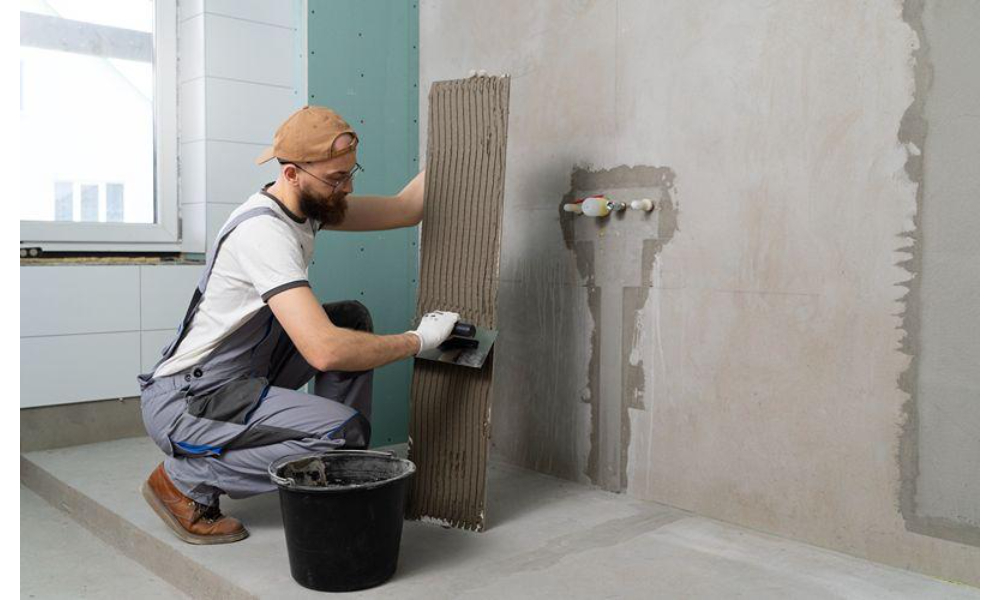
Tile grouts serve as the bonding material, filling the gaps between tiles. They prevent moisture from seeping through and support the overall stability of tiled surfaces. Selecting the right grout type affects not only appearance but also long-term performance. Contractors and homeowners rely on quality building materials in Singapore for durable and high-performing tile installations. Similar attention to material choice is also essential in outdoor applications such as concrete pavement repair, where strength and moisture protection play a major role.
Grouts usually fall into two primary types: sanded and unsanded. Each functions differently depending on tile type, joint width, and placement area. Sanded tile grouts use fine sand particles to increase strength and reduce shrinkage. Unsanded variants, on the other hand, rely on smooth consistency for smaller joints and delicate surfaces. Choosing between the two requires understanding the tile size, joint spacing, and expected stress levels on the tiled surface.
Sanded Tile Grouts: Strength and Durability for Wider Joints
Sanded tile grouts work best for joints wider than 1/8 inch. The sand particles inside the mixture reinforce structural stability and prevent cracking. This type handles heavy foot traffic areas such as living rooms, kitchens, and outdoor walkways. Sanded tile grouts maintain the integrity of larger tile joints, keeping tiles in place even under consistent pressure.
Because of their grainy texture, they adhere well to floor tiles and rough surfaces. The sand prevents excessive shrinkage during curing, ensuring joints remain evenly filled. Using sanded grout also enhances resistance to wear, making it a practical choice for areas where durability matters most.
Contractors choosing building materials in Singapore typically recommend sanded grout for ceramic, porcelain, or natural stone floor installations. Proper mixing and sealing help retain the grout’s colour and prevent stains over time. Routine maintenance and resealing ensure the surface remains clean, preventing moisture from compromising the tiled surface.
Unsanded Tile Grouts: Smooth Finish for Narrow Joints
Unsanded tile grouts contain no sand particles, giving them a smoother and creamier consistency. This makes them ideal for joints narrower than 1/8 inch. The smoother texture allows easy application on vertical surfaces such as bathroom walls, kitchen backsplashes, and decorative tile features.
Unsanded grout minimises surface scratching, making it suitable for delicate or polished tiles such as marble or glass. The absence of sand reduces abrasion during application, helping maintain a flawless finish. It also adheres more effectively to narrow joints, providing a tight seal that keeps moisture out.
However, unsanded tile grouts tend to shrink slightly more than sanded versions, so correct mixing proportions and sealing are crucial. Regular upkeep preserves its colour and prevents mildew formation in humid environments. Builders using quality building materials in Singapore prioritise selecting high-grade unsanded grout to ensure strong adhesion and visual appeal on vertical installations.
Key Factors When Choosing the Right Grout Type
Selecting the proper grout goes beyond texture preference. Factors such as joint size, tile type, and surface location determine which variant performs better. Wider joints on heavy-traffic floors call for sanded tile grouts to provide strength and stability. Narrow joints on decorative walls benefit from unsanded grout for smoothness and scratch prevention.
Temperature and humidity also influence grout performance. In humid climates like Singapore, using water-resistant and mould-resistant grout ensures longevity. Sealing grouts after installation remains vital regardless of type, as it enhances stain resistance and prevents water damage.
Colour selection also affects overall aesthetics. Matching or contrasting grout colours with tiles can change how a surface looks and feels. Builders sourcing building materials in Singapore often coordinate grout shades with tile tones to create cohesive finishes. Using quality products ensures consistent colour retention and minimal fading over time.
Maintenance and Longevity Considerations
Maintenance determines how long tile grouts stay intact and visually appealing. Regular cleaning using mild solutions prevents dirt accumulation. Harsh chemicals weaken grout composition and should be avoided. Sealing remains the most effective method for extending lifespan, especially in moisture-prone areas.
Cracks and discolouration usually indicate ageing grout that may need reapplication. Repairing sections early prevents water penetration and mould growth. Using durable grout and complementary building materials in Singapore reduces future maintenance costs and ensures long-term reliability. These proactive maintenance habits mirror those used in concrete pavement repair, where timely fixes help maintain strength and extend service life.
Choosing professional-grade grout also reduces shrinkage and colour inconsistency. Combining quality products with correct installation techniques yields resilient and aesthetically pleasing results.
Conclusion
Tile grouts significantly influence the strength, appearance, and durability of tiled installations. Sanded grout suits wide joints and heavy foot traffic, while unsanded grout works better for narrow joints and delicate surfaces. Selecting the right type depends on the application area, tile texture, and joint spacing. Proper installation, sealing, and maintenance extend the life of both grout types.
Contact ARDEX QUICSEAL for a trusted building materials supplier in Singapore offering reliable tile grouts for various residential and commercial applications.
