

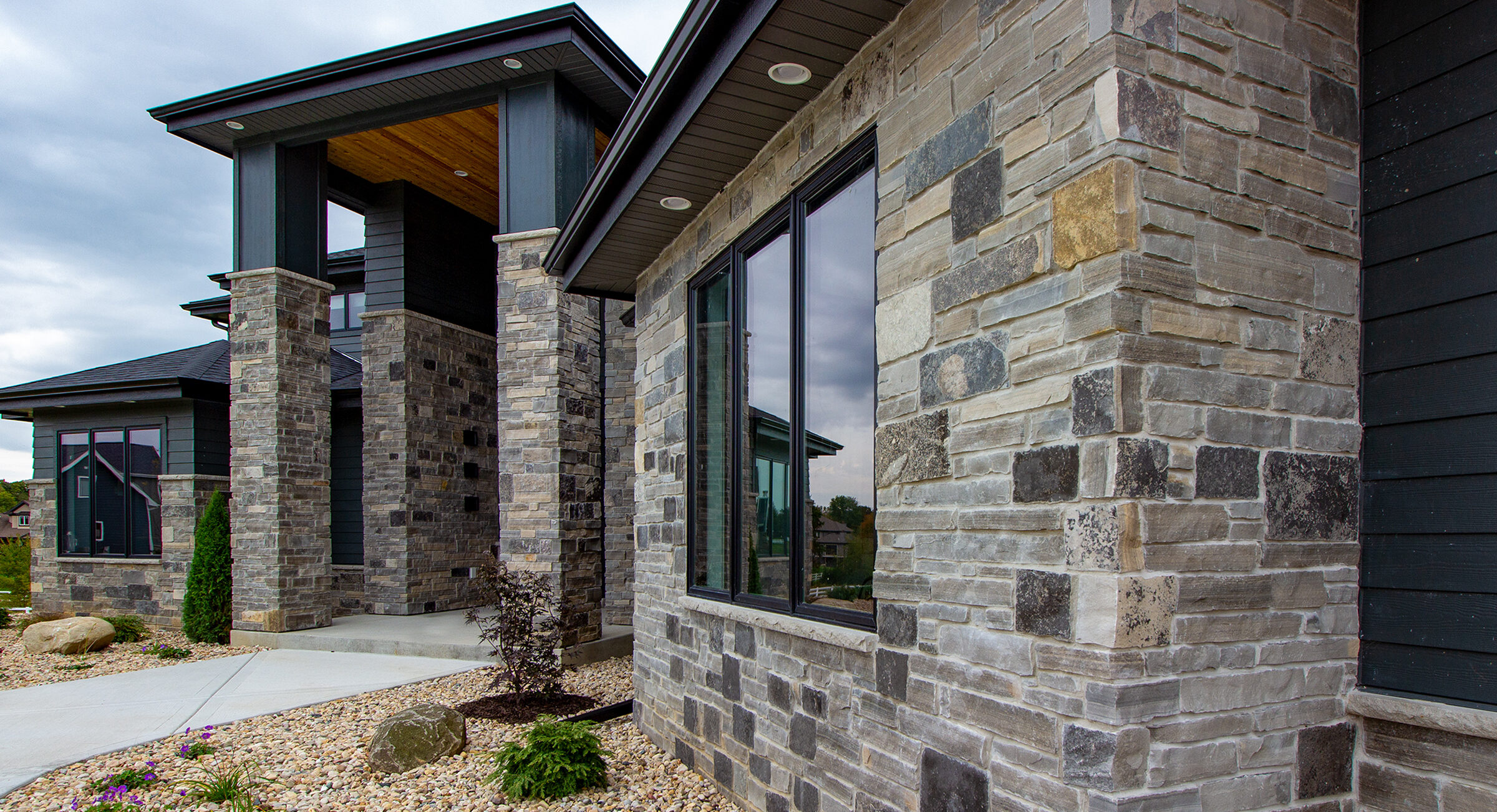
Regional materials shape the mood and endurance of a building as much as its form. Designers reach for limestone when they want subtle color movement, confident strength, and a timeless connection to place, and few options deliver that balance better than Fond Du Lac Stone. In the following sections, you’ll find practical guidance on color selection, exterior and interior applications, and the production methods that make performance predictable. We’ll also dig into climate resilience, detailing, and maintenance so you can specify the material with confidence. Whether you’re exploring samples at a Stone Center or aligning finish schedules with a contractor, this guide translates quarry geology into clear design decisions.
Color Variations and Natural Textures That Define Fond Du Lac Stone
Color is often the first reason architects gravitate toward this material. Expect a quiet palette that shifts from cool blue-grays to warm buffs and light creams, sometimes touched with faint amber or dove tones that reveal the quarry’s stratification. This restrained variation reads as elegant at both large and small scales, avoiding the busy look that can date a facade. Surface treatments open that palette further: splitface amplifies shadow and relief, honed surfaces emphasize uniformity, and tumbled edges soften transitions between pieces. Because mineral density is high, the stone takes a crisp arris when sawn, yet still presents organic texture that pairs comfortably with wood, brick, and metal.
Identifying tones for different settings
Selecting the right range starts with understanding site light. Northern exposures in cloudy climates skew cool; choosing pieces with warmer buff notes can balance the effect, while sun-baked elevations may benefit from the more silvery grays to maintain a composed look at midday. Mortar and joint profile influence how the color reads—flush joints quiet the pattern, while raked joints heighten shadow and contrast. Aim for a blend board that reflects the project’s dominant light conditions and target coursing; review it both wet and dry to anticipate rain-darkening. By treating samples as a spectrum rather than a single swatch, you capture the stone’s natural variability without surprises on the wall.
Common Uses for Exterior Walls, Columns, and Structural Features
This stone excels as a building envelope finish because it walks a line between refinement and ruggedness. Ashlar or ledgestone veneers create rhythmic patterns that look composed from a distance and interesting up close, especially when units are sized to match window heads and sill lines. For low walls, seat-walls, and garden features, the material’s compressive strength and abrasion resistance hold up to foot traffic and landscaping equipment. Columns—either solid or as cladding over steel cores—gain visual gravity without overwhelming adjacent materials. Copings, caps, and sills milled from thicker stock provide crisp terminations and protect walls by shedding water cleanly.
Application-specific details
Successful exterior assemblies rely on the right attachment system. Anchored veneers need stainless steel ties, proper air gaps, and weeps to dry the cavity, while adhered veneers benefit from gauged backs, appropriate setting beds, and drainage mats. When wrapping columns, coordinate unit coursing with base and capital dimensions so joints land cleanly and fasteners remain concealed. Structural uses are possible when engineering accounts for thickness, load paths, and bearing conditions—lintels, for example, may be cut from thicker slabs with verified flexural strength. In every case, aligning module sizes with openings and control joints reduces cuts, saves labor, and maintains a harmonious pattern across the elevation.
How Quarrying Techniques Ensure Consistency and Material Integrity
Predictability starts at the quarry face, where operators select benches with reliable bedding and minimal fractures. Modern extraction uses diamond wire saws and controlled splitting methods to minimize microcracking, so blocks arrive at the mill with their internal strength intact. The best producers map strata and track which lifts yield tighter color bands or more pronounced texture, enabling consistent blends from order to order. Blocks are then slabbed with parallel cuts to maintain grain direction before being processed into specified finishes. Rigorous grading and culling remove pieces with open seams, clay pockets, or deleterious inclusions that could compromise long-term performance.
From quarry to fabrication
Fabrication lines prioritize uniformity where it matters most. Veneer units are gauged to consistent thickness for even seating; sawn heights and random lengths offer design flexibility while preserving coursing accuracy. Dimensional elements—sills, caps, treads—are calibrated with tight tolerances so edges meet cleanly and shed water properly. Quality programs tag bundles to their source bench, which helps replicate a successful blend if the project expands or phases over time. When you specify Fond Du Lac Stone with clear finish, size, and tolerance criteria, the production chain can deliver exactly what the drawings promise.
Weather-Handling Strength for Cold and Moisture-Heavy Regions
Buildings in northern latitudes and coastal zones test the limits of masonry, and this material meets those tests with confidence. Its dense, fine-grained structure offers low water absorption, which limits freeze-thaw damage that plagues more porous alternatives. Because the stone is inherently durable, performance is more about assembly design—ensuring water that gets in can get out—than about the stone failing itself. Details like kick-out flashings, proper overhangs, and drip edges keep bulk water away from vulnerable interfaces. At grade, a slightly rougher finish adds slip resistance for steps and landings without sacrificing appearance.
Design details that fight water
Think of a wall as a system with a dedicated drainage path. Veneer cavities need clear air spaces, clean weeps, and breathable weather-resistive barriers to exhaust moisture quickly. Lintels should be flashed with end dams; sills should project and include a pronounced drip kerf to prevent backflow onto the face. If you’re using adhered veneer, specify a ventilated drainage mat and ensure full, even coverage of the setting material to avoid water pockets. In snowy climates, lift capstones slightly with concealed shims to create a thin drainage slot under them—an elegant trick that reduces ice buildup and staining on vertical faces.
Sealing and Jointing Strategies to Maximize Stone Longevity
Not every installation needs sealer, but the right product in the right place can simplify maintenance and protect aesthetics. Penetrating, breathable sealers reduce water and oil absorption without creating a gloss or trapping vapor, which is critical in freeze-thaw regions and on horizontal surfaces like treads and caps. Always test on a mock-up; the stone’s subtle colors can deepen slightly when treated, and you want to approve that change before full application. High-exposure conditions—deicing salts, commercial kitchens near exterior service doors, or urban pollution—often justify scheduled reapplication every few years. A knowledgeable rep at a Stone Center can help compare solvent- versus water-based options, coverage rates, and maintenance intervals.
Mortar, grout, and joint design
Good joints are your first line of defense against water while preserving the material’s expressive pattern. Choose mortar types to match the application: a flexible Type N balances strength and workability for veneer, while Type S may be used for more demanding exposures or taller walls. Keep bond lines consistent, and compress tooling to create a slightly concave profile that sheds water instead of catching it. Where movement is expected—at changes in plane, long runs, or around openings—introduce sealant joints with proper backer rods to absorb differential movement without cracking. For salt-prone areas, detail sacrificial sealants or protective treatments at the base course to limit efflorescence and surface spalling.
Pairing Fond Du Lac With Other Masonry for Coordinated Design
A successful palette respects both contrast and continuity. The stone’s restrained color field makes it a forgiving partner for red or ironspot brick, blackened steel, warm cedar, or light stucco. Texture is your second lever: pair a splitface field with honed accents to create hierarchy, or alternate smooth panels with ledgestone bands to modulate scale on long elevations. Because the material presents cool-to-warm neutrals, you can steer the overall temperature with adjacent finishes—cool grays lean contemporary with zinc or aluminum, while buff tones cozy up to bronze and walnut. The result is a quiet composition where each element elevates the others rather than competing.
Color, scale, and proportion tips
Unify disparate materials by aligning coursing and datum lines. Match window heads, sill heights, and parapet caps so the eye reads a single, intentional rhythm across the facade. Select mortar color to “tune” the field: a near-match to the dominant stone tone reduces grid effect, while a slightly darker mortar emphasizes the masonry pattern for a crafted, tactile look. Inside, carry the exterior language to fireplaces, stair treads, or accent walls using a smoother finish for easy cleaning and to keep interiors from feeling heavy. For larger projects, consult a Stone Center early to assemble a coordinated sample kit that shows exterior and interior combinations under the same light.
Why This Regional Stone Remains Popular in 2025 Construction
Market momentum follows materials that solve real problems without sacrificing beauty. Domestic quarries keep transportation distances modest, helping control embodied energy and lead times while supporting local economies. The stone performs predictably against codes and standards, and with responsible detailing it outlasts many cladding systems that require membranes or coatings with shorter service lives. Its aesthetic sits above trend cycles—subtle color, honest texture, and crisp fabrication look current in modern minimalism and inviting in traditional architecture. For owners, that means fewer refreshes; for builders, it means reliable schedules and fewer callbacks.
What specifiers should verify today
Smart specifications turn preference into performance. Ask for test data—absorption (ASTM C97), compressive (ASTM C170), and flexural strength (ASTM C880)—that matches the finish and thickness you intend to use. Verify quarry capacity and blending protocols if phasing construction, and request mock-ups that include flashings, weeps, and jointing so workmanship is proven before the field moves fast. Sustainability documentation such as EPDs and quarry stewardship statements can support project certifications while signaling responsible sourcing. Whether you’re comparing submittals or finalizing alternates, a quick consultation at a Stone Center can align budget, lead time, and finish choices, ensuring Fond Du Lac Stone delivers the long-view value that keeps it specified year after year.
