
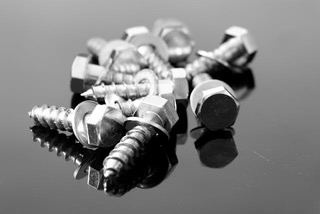
How Woodworking Screws Improve Strength, Stability, and Finish
Every woodworking project begins with an idea and a piece of raw wood. You want joints that hold firm and surfaces that look refined. Many makers focus on timber quality but forget fasteners. That small detail often decides long term strength. In the first few steps, woodworking screws already start doing quiet work. They pull pieces together, reduce movement, and support clean alignment. You feel the difference when furniture stays solid after years of use.
Why Strong Joints Matter in Woodworking
Strong joints create furniture that lasts through daily wear. Wood expands and contracts with changing temperature and moisture. Weak joints loosen over time and spoil the structure. Screws grip fibres tightly and keep boards locked together. Nails rely on friction and can shift slowly. Screws hold tension and resist pull out pressure.
How Woodworking Screws Increase Load Bearing Strength
Woodworking screws distribute force evenly across the joint. Threads bite into wood and create mechanical resistance. That resistance supports heavy loads without stress cracks. Cabinets and shelves feel stable under the weight. Craftsmen trust screws when strength really matters.
- Stability That Improves Everyday Use
Stable furniture feels solid during regular movement. Chairs, doors, and drawers face repeated motion each day. Screws limit wobble and reduce creaking sounds. Tight connections improve balance and comfort. Users notice fewer adjustments and repairs over time.
- Reduce Long Term Loosening
Woodworking screws maintain grip even with repeated use. Threads resist vibration better than smooth fasteners. This feature keeps joints aligned longer. Furniture stays square and reliable through seasons.
- A Cleaner Finish for Better Visual Appeal
Finish quality defines how professional your work appears. Woodworking screws allow controlled depth and precise placement. Countersinking creates smooth surfaces without damage. Wood fillers cover heads easily and blend naturally. The final piece looks neat and refined.
How Woodworking Screws Protect Surface Quality
Woodworking screws prevent splitting near edges and corners. Pre drilled holes guide placement and protect grain structure. Clean edges remain intact after assembly. Sanding and polishing become easier.
Conclusion
Correct selection improves results instantly. Length, thread type, and head style matter greatly. Woodworkers achieve better outcomes with thoughtful choices. Simple decisions raise project quality.
When strength, stability, and finish all matter, woodworking screws support every goal. You gain confidence in each joint you create. You also gain pride in work that lasts longer and looks better.