

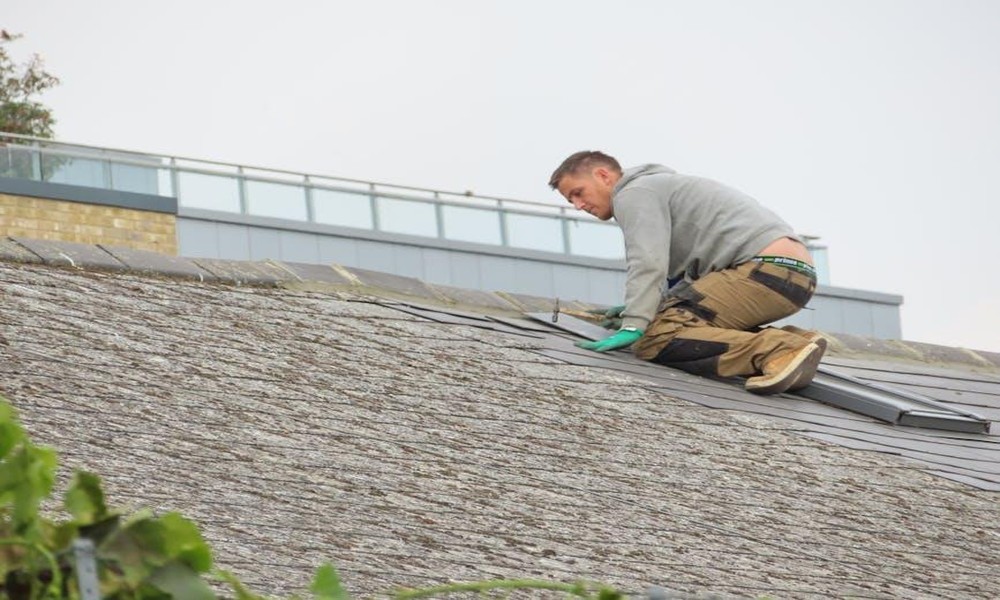
The Role of Home Maintenance and Roofing in Property Longevity
Our home is a major investment. Protecting it starts with the outside, especially the roof. A well-kept exterior safeguards your property, holds its value, and keeps everyone inside safe and comfortable.
We know it’s tough for homeowners to keep their property in top shape. From strong sun to heavy storms, our roofs and outer parts constantly fight the weather. If we ignore these areas, it can lead to expensive fixes and serious structural problems later on.
This guide will show you key ways to maintain your home’s exterior. We’ll look at important parts of home maintenance and roofing. We’ll help you spot damage, understand different materials, and get ready for bad weather. Our aim is to give you the knowledge to make smart choices for your home’s lasting health and strength. For top-tier defense, checking out 12 Stones energy efficient roofs can bring real peace of mind.
The roof is often called the fifth wall of your home, and for good reason. It’s the primary barrier against the elements, constantly exposed to sun, wind, rain, snow, and hail. Its condition directly impacts your home’s structural integrity, energy efficiency, and overall value. Neglecting routine home maintenance and roofing inspections can lead to costly repairs, compromised insulation, and even foundational issues over time.
Understanding the lifespan and characteristics of different roofing materials is crucial for effective maintenance planning. While a standard shingled roof typically lasts between 15 and 30 years, this can vary significantly based on the material chosen, installation quality, and local climate conditions. For instance, architectural asphalt shingles are designed to last around 30 years, offering a longer lifespan than the 20 years typically seen with three-tab asphalt shingles. More durable options, such as tile or copper roofs, can extend this to approximately 50 years, while slate roofs can last 60-150 years and metal roofs 40-80 years. Factors like UV exposure, extreme temperature fluctuations, and severe weather events can all accelerate wear and tear, shortening even the most robust materials’ expected longevity. The choice of materials also influences the aesthetic appeal and overall performance of your home’s exterior, as expertly installed by companies like High Country exteriors roofing.
Roofing Material Typical Lifespan Key Factors Affecting Lifespan Three-Tab Asphalt 20 years UV exposure, wind, hail, temperature fluctuations Architectural Asphalt 30 years UV exposure, wind, hail, temperature fluctuations, installation Metal Roofing 40-80 years Coating quality, panel gauge, fasteners, installation Tile (Clay/Concrete) 100+ years Impact resistance, proper underlayment, climate, maintenance Slate 60-150 years Quality of slate, installation, foot traffic, maintenance Copper 50+ years Oxidation, installation, environmental pollutants Identifying Signs for Home Maintenance and Roofing Repairs
Recognizing the early warning signs that your roof needs attention can save you significant time and money. Many homeowners only think about their roof when a leak appears, but proactive detection is key. We should regularly look for these common indicators:
- Missing or Damaged Shingles: Look for shingles that are curled, cracked, buckled, or completely missing. These are often signs of age, wind damage, or improper installation, leaving your roof deck vulnerable to water intrusion.
- Granule Loss: If you see a significant amount of shingle granules in your gutters or on the ground around your home, it indicates that your asphalt shingles are nearing the end of their life. These granules protect the asphalt from UV rays.
- Ceiling Stains or Leaks: Water stains on your interior ceilings or walls, especially in the attic, are clear signs of a leak. Track these to their source on the roof, which could be damaged flashing, compromised shingles, or inadequate ventilation.
- Sagging Roofline: A visible sag or dip in your roofline can indicate structural damage to the roof deck or framing, often caused by prolonged moisture exposure or heavy loads like snow. This is a serious issue requiring immediate professional assessment.
- Damaged Flashing: Flashing, the metal strips installed around chimneys, vents, skylights, and valleys, creates a watertight seal. If it’s bent, cracked, rusted, or missing, water can easily penetrate these vulnerable areas.
- Clogged Gutters and Downspouts: While not directly part of the roof, clogged gutters can cause water to back up, leading to fascia and soffit damage, wood rot, and ice dams. Regular cleaning is essential.
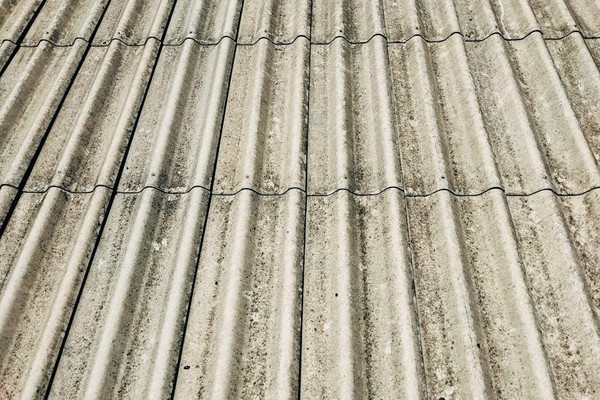
- Moss and Algae Growth: While some algae growth is cosmetic, extensive moss can lift shingles, trap moisture, and accelerate deterioration. We’ll discuss effective ways to address this later.
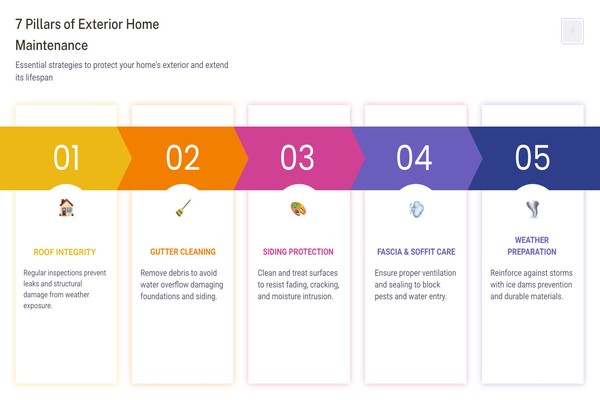
For a thorough understanding of what to look for, the Annual Home Roof Maintenance guide offers excellent insights into regular roof checks.
Budgeting for Home Maintenance and Roofing Projects
A new roof is a significant investment, with the average cost for a replacement hovering around $10,000, though most homeowners typically pay between $5,855 and $13,116. Understanding how these costs break down is essential for budgeting. Materials usually account for 55%-65% of the total project cost, while labor makes up 25%-35%. Disposal of old materials adds another 5%, and miscellaneous job site expenses contribute the remaining 5%.
Several factors influence the final price tag:
- Roof Size and Pitch: Larger roofs naturally require more materials and labor. Steeper pitches increase safety risks and installation complexity, driving up labor costs.
- Material Choice: As discussed, different roofing materials have vastly different price points. Asphalt shingles are generally the most affordable, while metal, tile, and slate can be significantly more expensive.
- Accessibility: If your roof is difficult to access, requiring special equipment or extensive safety measures, labor costs will increase.
- Existing Damage: Hidden damage to the roof deck, flashing, or underlying structure discovered during tear-off will add to the repair costs.
- Geographic Location: Labor rates and material costs vary by region.
- Permits and Inspections: Local building codes often require permits and inspections, which add to the overall cost.
Planning for these expenses is crucial. Many roofing companies offer flexible financing options, and exploring these avenues can help make a major project more manageable. For those considering a roof replacement, understanding available financial solutions can be key, and resources like Roof Financing can provide valuable information.
Understanding the Anatomy of a High-Performance Roof System
A roof is far more than just the visible shingles; it’s a complex, multi-layered system designed to protect your home from the elements, manage moisture, and contribute to energy efficiency. Each component plays a vital role in the overall performance and longevity of the roof.
At the base, we have the roof decking (or sheathing), typically plywood or OSB, which forms the structural surface to which all other components are attached. Over this, a starter course of shingles is laid along the eaves to provide a secure base and prevent shingle blow-off. Next comes the underlayment, a protective barrier (often felt or synthetic) that adds an extra layer of defense against water penetration. In colder climates or areas prone to ice dams, an ice and water shield is applied directly to the decking along the eaves, valleys, and around penetrations, offering superior waterproofing.
The visible layer consists of the shingles or other chosen roofing material, which shed water effectively. Around chimneys, vents, skylights, and in valleys, flashing is installed to create watertight seals where different roof planes or materials meet. Proper ridge vents and soffit vents are crucial for attic ventilation, allowing hot, moist air to escape and preventing heat and humidity buildup. Finally, the drip edge, a metal flashing installed along the edges of the roof, directs water away from the fascia and into the gutters, protecting the roof’s edge and preventing water damage to the underlying structure. Understanding these components is fundamental to appreciating the value of quality Residential Roofing.
The Critical Function of Fascia and Soffit
While often overlooked, the fascia and soffit are integral parts of your roof system and overall home exterior. The fascia is the board that runs horizontally along the edge of your roof, directly beneath the roofline and behind the gutters. It serves as the last line of defense for the edge of the roof, protecting the rafter ends from moisture and providing a finished look. The soffit is the material installed on the underside of the eave, bridging the gap between the siding and the fascia board.
Together, the fascia and soffit perform several critical functions:
- Pest Prevention: They seal off the attic and roof space, preventing birds, squirrels, insects, and other pests from entering your home.
- Airflow and Ventilation: Soffits often contain vents that facilitate proper attic ventilation. This airflow is crucial for regulating attic temperatures, reducing moisture buildup, and preventing issues like mold, mildew, and wood rot. Good ventilation also helps to extend the lifespan of your roof by preventing heat from building up and cooking the shingles from below.
- Structural Support: The fascia provides a surface for attaching gutters, ensuring they are securely fastened and can effectively divert rainwater away from your home.
- Moisture Infiltration: By enclosing the rafter tails and the underside of the eaves, they protect these vulnerable wooden components from rain and moisture, preventing rot and decay.
Damage to these components, such as rotting wood, peeling paint, or holes, can compromise your home’s protection and lead to more significant issues. Addressing these concerns promptly is part of comprehensive home care, and if you’re asking, “Need fascia and soffit repairs?”, resources discussing Install or Replace Fascia and Soffit can guide you.
Enhancing Efficiency with Cool Roof Technology
In warmer climates, the battle against heat gain is constant, and your roof plays a significant role. Traditional dark-colored roofing materials absorb a substantial amount of solar radiation, transferring that heat into your attic and, subsequently, into your living spaces. This forces your air conditioning system to work harder, leading to higher energy bills.
Cool roof technology offers an innovative solution by utilizing materials designed to reflect more sunlight and absorb less heat. These materials achieve this through highly reflective surfaces and high thermal emittance, meaning they release absorbed heat quickly. The benefits are substantial:
- Reduced Attic Temperatures: While a standard shingled roof can cause an attic to be 50-85 degrees warmer than the outside temperature on a hot day, cool-roof shingles can reduce this difference to a mere 5-10 degrees.
- Lower Energy Costs: By keeping your attic cooler, your air conditioning system doesn’t have to work as hard, leading to noticeable savings on your energy bills.
- Extended Roof Lifespan: Reduced heat absorption can also slow down the degradation of roofing materials, potentially extending the life of your roof.
- Improved Indoor Comfort: A cooler attic contributes to a more comfortable indoor environment, even on the hottest days.
While cool-roof shingles may cost 10% to 50% more than standard options, the long-term energy savings and potential for extended roof life can make them a worthwhile investment, particularly in sunny regions. When considering this upgrade, look for products rated by the Cool Roof Rating Council (coolroofs.org), which tests and rates different roofing products for solar reflectance and thermal emittance. For more information on these energy-saving options, you can explore what makes a roof a cool roof and how it benefits your home.
Strategic Maintenance: Extending the Lifespan of Exterior Materials
Proactive maintenance is the cornerstone of protecting your home’s exterior and maximizing the lifespan of your roof. Regular attention to key areas can prevent minor issues from escalating into major, costly problems.
One of the most fundamental tasks is gutter maintenance. Clogged gutters can cause water to overflow, leading to fascia and soffit rot, foundation damage, and even leaks into your home. We recommend cleaning gutters at least twice a year, especially after heavy leaf fall in autumn and pollen season in spring. Alongside this, debris removal from the roof itself is crucial. Leaves, twigs, and pine needles can trap moisture, promote moss and algae growth, and accelerate shingle deterioration. A soft broom or leaf blower can be used carefully to clear debris without damaging shingles.
Tree trimming is another vital preventive measure. Overhanging branches can rub against your roof, scraping off protective granules and creating weak spots. In severe weather, falling limbs can cause significant damage. Keeping trees trimmed back at least 6-10 feet from your roofline is a smart strategy. Beyond the roof, maintaining other exterior elements like siding and paint is equally important. Regular cleaning and timely repainting not only enhance curb appeal but also protect the underlying materials from moisture and UV damage. For instance, quality Lombard painting services can significantly extend the life and appearance of your home’s exterior walls. For a comprehensive overview of tasks, refer to a detailed Roof Maintenance Checklist.
Addressing Common Roof Issues Like Moss and Algae
Moss and algae growth are common issues that can compromise your roof’s integrity and appearance. Environmental factors like a north-facing roof (in the northern hemisphere), abundant shade trees, and a wet climate contribute significantly to their proliferation.
- Moss: Moss absorbs water like a sponge, and large clumps can lift shingle edges, allowing water to seep underneath and potentially damage the roof deck. It can also cause granules to detach and accelerate shingle deterioration.
- Algae: Often appearing as dark streaks or discoloration, algae (specifically Gloeocapsa magma) primarily affects the aesthetic of your roof but can also contribute to moisture retention.
Effective ways to address these issues include:
- Manual Removal (Carefully): For moss, a soft brush or broom can gently remove larger clumps. Avoid pressure washing, which can strip granules and damage shingles.
- Chemical Treatments: A solution of equal parts chlorine bleach and water can effectively kill algae and moss. Apply it with a sprayer, let it sit for 15-20 minutes, and then rinse thoroughly. Always wear appropriate safety gear and protect surrounding landscaping. For more details on this, the Asphalt Roofing Manufacturers Association provides excellent guidance on moss and algae growth.
- Zinc or Copper Strips: Installing strips of zinc or copper along the ridge of your roof can help prevent future growth. As rain washes over these metals, it carries microscopic particles down the roof, inhibiting moss and algae.
- Algae-Resistant Shingles: Many modern asphalt shingles are manufactured with copper-lined granules, specifically designed to inhibit algae growth. If you’re replacing your roof, consider these options.
Preparing for Severe Weather and Ice Dams
Preparing your roof for severe weather is critical, especially in regions prone to heavy storms, hail, snow, or ice. Proactive measures can significantly reduce the risk of damage and ensure your home remains protected.
For areas susceptible to high winds and hurricanes, reinforcing your roof structure is paramount. This can involve installing hurricane ties that securely connect the roof trusses or rafters to the wall framing, dramatically increasing resistance to uplift forces. During Hurricane Andrew, for example, hurricane ties had a 92% success rate in preventing roof failure. Using storm-resistant materials, such as impact-resistant shingles or metal roofing, can also offer superior protection against hail and wind.
In colder climates, ice dams pose a significant threat. These occur when snow on the warmer parts of your roof melts, flows down to the colder eaves, and refreezes, forming a barrier of ice. This ice can cause water to back up under your shingles and into your home, leading to leaks, insulation damage, and structural problems. Preventing ice dams involves:
- Improving Attic Ventilation: Ensuring adequate airflow in your attic helps maintain consistent temperatures, reducing the melting and refreezing cycle.
- Enhancing Attic Insulation: Proper insulation minimizes heat transfer from your living space into the attic, keeping the roof deck cooler.
- Sealing Air Leaks: Seal any gaps or cracks in your attic floor or ceiling that allow warm air to escape into the attic.
- Eave Protection: Installing ice and water shield along the eaves during roof replacement provides an extra layer of waterproofing in these vulnerable areas.
After severe weather, a prompt inspection is crucial. If your roof sustains significant damage, contacting professionals for Emergency Roofing services can prevent further issues.
Navigating Roof Replacement: Tear-Offs vs. Overlays
When your roof reaches the end of its lifespan or sustains irreparable damage, a replacement becomes necessary. Homeowners often face a choice between two primary methods: a full tear-off replacement or a roof overlay (also known as re-roofing). Understanding the differences and implications of each is vital for making an informed decision.
A full tear-off replacement involves stripping away all existing roofing materials down to the roof decking. This method allows for a thorough inspection of the decking for any damage, rot, or structural issues, which can then be repaired before the new roofing system is installed. While more labor-intensive and costly upfront, a full tear-off ensures a clean, solid base for your new roof, often leading to a longer lifespan and better warranty coverage. It’s generally considered the superior option for long-term value and peace of mind, especially when considering the benefits of 12 Stones energy efficient roofs.
A roof overlay, conversely, involves installing new shingles directly over the existing layer of shingles. This method is typically less expensive and quicker to complete, as it saves on labor and disposal costs. However, it comes with significant drawbacks:
- Hidden Damage: An overlay doesn’t allow for inspection or repair of the underlying roof deck, meaning any existing issues like rot or structural weakness remain unaddressed.
- Reduced Lifespan: The added weight of a second layer can put stress on the roof structure, and the new shingles may not adhere as well or last as long due to unevenness.
- Warranty Limitations: Some manufacturers may offer reduced warranties or void them entirely if their products are installed over an existing layer.
- Building Code Restrictions: Most building codes permit a maximum of two layers of asphalt shingles. If your roof already has two layers, an overlay is not an option.
We generally recommend a comprehensive roof replacement via tear-off to ensure the highest quality and longest-lasting results.
Choosing the Right Roofing Material
Selecting the right roofing material involves balancing aesthetics, durability, cost, and energy efficiency. Beyond asphalt shingles, a variety of options cater to different needs and architectural styles:
- Asphalt Shingles: The most popular choice, offering versatility in shingle shape, color selection, and price point. Architectural (laminated) shingles provide a more dimensional look and better wind resistance than three-tab. They also come with various fire ratings and impact resistance levels. For detailed information on this common choice, explore Asphalt Shingle Roofing.
- Metal Roofing: Known for its exceptional longevity (40-80 years), durability, and energy efficiency. Metal roofs are available in various styles, including standing seam, metal shingles, and corrugated panels, and can mimic the look of other materials.
- Tile Roofing: Clay and concrete tiles offer a distinctive, elegant appearance and incredible durability, often lasting over 100 years. They are excellent for heat reflection but are heavier and more expensive to install.
- Slate Roofing: A premium, natural stone product offering unparalleled beauty and lifespan (60-150 years). Slate is highly durable, fire-resistant, but also very heavy and costly.
- Wood Shakes and Shingles: Provide a rustic, natural look. While aesthetically pleasing, they require more maintenance and have a shorter lifespan than other options, typically 20-30 years.
Consider your home’s architectural style, local climate (e.g., hail resistance, wind resistance), budget, and desired maintenance level when making your choice.
Bundling Upgrades with Your New Roof
A roof replacement project presents an ideal opportunity to integrate other home improvements that enhance your home’s functionality, energy efficiency, and value. Bundling these upgrades can often be more cost-effective than undertaking them as separate projects later on.
Consider these popular additions:
- Solar Panels: Installing solar panels during a roof replacement ensures they are mounted on a new, durable surface, maximizing their efficiency and lifespan. It’s an excellent way to reduce energy bills and your carbon footprint.
- Skylights: A new roof provides the perfect chance to add or replace skylights, bringing natural light into your home and improving ventilation.
- Gutter Guards: Installing high-quality gutter guards can prevent debris from clogging your gutters, reducing maintenance and preventing water damage.
- Attic Insulation: Upgrading your attic insulation can significantly improve your home’s energy efficiency, working hand-in-hand with your new roof to regulate indoor temperatures and lower heating and cooling costs.
- Enhanced Ventilation: Beyond standard ridge and soffit vents, consider adding powered attic fans or more extensive passive ventilation systems to further improve airflow and moisture control.
Discussing these options with your roofing contractor during the planning phase of your Roof Installation can lead to a more comprehensive and beneficial home improvement project.
Financial Planning and Government Assistance for Home Repairs
Undertaking significant home repairs or a roof replacement can be a substantial financial commitment. Fortunately, various financing options and government assistance programs can help alleviate the burden.
While the federal government does not offer “free money” to individuals for home repairs, several legitimate programs can provide financial aid. It’s crucial to be wary of websites or ads claiming to offer “free money,” as these are often scams. We recommend verifying any program through official government sources like USA.gov or HUD.gov.
Key government-backed programs include:
- HUD Title 1 Property Improvement Loan Program: These loans are available for general home remodeling, repairs, or improvements. The loan amounts and terms are based on the type of property, and they can be used for a wide range of projects, including roofing.
- 203(k) Rehabilitation Mortgage Insurance Program: This program allows homebuyers and homeowners to finance both the purchase or refinance of a house and the cost of its rehabilitation through a single mortgage. It can finance up to $35,000 for home repairs or improvements, including major roofing projects.
- Home Equity Conversion Mortgages (HECM) for Seniors: For homeowners aged 62 and older, HECM is the only government-insured reverse mortgage program. It allows seniors to convert a portion of their home equity into cash, which can be used for home maintenance, repairs, or other expenses, without having to make monthly mortgage payments.
Additionally, many state and local governments offer their own home repair assistance programs, often targeting low-income homeowners, seniors, or specific community revitalization efforts. We encourage homeowners to explore HUD home improvement loan programs and check with their local housing authorities for available resources. Understanding these options is also crucial when dealing with Roofing Insurance Claims after unexpected damage, as they can supplement insurance payouts or cover deductibles.
Understanding Manufacturer and Workmanship Warranties
A new roof is a long-term investment, and understanding the warranties that come with it is critical for protecting that investment. Typically, you’ll encounter two main types of warranties:
- Manufacturer’s Warranty: This warranty covers the roofing materials themselves against defects. For asphalt shingles, manufacturers often offer warranties ranging from 20-30 years, with some premium options extending up to 50-year or “lifetime” warranties. It’s important to read the fine print, as these warranties are often prorated, meaning the coverage decreases over time. They usually cover material defects, but not damage due to improper installation or external factors like severe weather.
- Workmanship Warranty: Provided by your roofing contractor, this warranty covers the quality of the installation. A reputable contractor will stand behind their work, offering a warranty that typically ranges from 2 to 10 years, though some may offer longer periods. This protects you if issues arise due to installation errors, such as improper flashing or inadequate fastening of shingles.
When reviewing warranties, pay close attention to:
- Coverage Limits: What exactly is covered, and for how long? Are there any exclusions?
- Transferability: Can the warranty be transferred to a new homeowner if you sell your property? This can be a significant selling point.
- Registration Requirements: Some manufacturer warranties require you to register your new roof within a certain timeframe to be valid.
- What Voids the Warranty: Improper repairs, walking on the roof excessively, or installing over existing shingles (overlay) can sometimes void a manufacturer’s warranty.
Always get both manufacturer and workmanship warranties in writing. A clear understanding of your Roofing Warranty ensures you’re protected for years to come.
Professional Standards: Hiring Contractors and Avoiding Scams
Choosing the right roofing contractor is as important as selecting the right materials. A reputable professional ensures quality installation, adheres to safety standards, and provides reliable warranties. Conversely, hiring an inexperienced or unscrupulous contractor can lead to shoddy work, voided warranties, and significant headaches.
When seeking a contractor for your home maintenance and roofing needs, we recommend the following steps:
- Verify Licensing and Insurance: Always ensure the contractor is properly licensed in your state or municipality and carries both liability insurance and workers’ compensation insurance. This protects you from financial responsibility in case of accidents or damage during the project.
- Check References and Reviews: Ask for a list of recent clients and contact them. Check online reviews on reputable platforms.
- Get Multiple Estimates: Obtain at least three detailed written estimates that clearly outline the scope of work, materials to be used, timelines, payment schedules, and warranty information. Be wary of unusually low bids, which often indicate shortcuts.
- Review the Contract Thoroughly: Ensure everything discussed is included in the contract, leaving no room for ambiguity.
- Understand Payment Terms: A reputable contractor will not ask for the full payment upfront. A reasonable down payment (typically 10-30%) is standard, with final payment due upon satisfactory completion.
- Ask About Safety Protocols: Inquire about their safety plan, including fall protection measures and how they protect your property during the project.
Avoiding Common Roofing Scams
Unfortunately, the roofing industry is susceptible to scams, particularly after severe weather events when “storm chasers” descend upon affected areas. Be vigilant and watch out for these red flags:
- Unsolicited Door-to-Door Offers: Be suspicious of contractors who show up uninvited, especially after a storm, claiming to have noticed damage.
- High-Pressure Sales Tactics: Anyone demanding an immediate decision or offering steep discounts for signing on the spot should be avoided.
- Cash-Only Deals: Reputable contractors accept various forms of payment and provide proper invoices.
- No Written Contract: Never agree to work without a detailed, written contract.
- Asking for Full Payment Upfront: This is a major red flag.
- Lack of Local Presence: Storm chasers often come from out of state, making it difficult to address issues after they’ve left. Look for contractors with an established local presence, such as trusted roofing contractors in Houston.
A professional Roof Inspection from a trusted local company can help you identify legitimate damage and avoid falling victim to scams.
The Risks of DIY Roof Repairs
While the appeal of saving money through DIY projects is strong, roof repairs are one area where professional expertise is almost always recommended. The risks associated with DIY roof work are substantial and can far outweigh any perceived savings.
- Safety Hazards: Roofing involves working at heights, often on steep and slippery surfaces. Falls are a leading cause of construction-related injuries and fatalities. Without proper safety equipment, training, and experience, homeowners put themselves at extreme risk.
- Structural Errors: Improper repairs can lead to further damage to the roof deck, framing, or other structural components. Misaligned shingles, inadequate flashing, or incorrect nailing can create new leak points or worsen existing ones.
- Warranty Voiding: Many roofing material manufacturers’ warranties require installation by a certified professional. Attempting DIY repairs or replacements can void these valuable warranties, leaving you unprotected if material defects arise.
- Lack of Expertise and Tools: Professional roofers have specialized knowledge of roofing systems, materials, and local building codes. They also possess the necessary tools and equipment to perform the job efficiently and safely. Homeowners often lack these resources, leading to subpar work.
- Costly Mistakes: A seemingly small DIY mistake can lead to significant water damage, mold growth, or structural issues that ultimately require expensive professional remediation. What starts as an attempt to save money can end up costing far more than a professional repair.
For these reasons, we strongly advise homeowners to leave all but the most minor, superficial roof issues to qualified professionals. When it comes to significant repairs, seeking expert Roof Repair services is the safest and most reliable approach.
Frequently Asked Questions about Home Maintenance and Roofing
We often encounter common questions from homeowners regarding their roofs. Here are some of the most frequent inquiries:
How often should I schedule a professional roof inspection?
We recommend scheduling a professional roof inspection at least once every one to two years, and always after any significant weather event (e.g., severe storms, hail, heavy winds). Regular inspections can catch minor issues before they become major problems, extending the life of your roof and preventing costly repairs.
What is the average cost of a total roof replacement?
A typical roof replacement costs about $10,000 on average, with most homeowners paying between $5,855 and $13,116. This price can fluctuate significantly based on factors such as roof size and pitch, material choice, labor costs in your region, and any underlying damage to the roof deck.
Can I install a new roof over my existing shingles?
Yes, in some cases, you can install a new layer of shingles over an existing one (known as a roof overlay or re-roofing). However, most building codes limit this to a maximum of two layers of asphalt shingles. While it can be a less expensive option initially, it prevents inspection of the underlying roof deck for damage, can void some manufacturer warranties, and may not last as long as a full tear-off replacement. We generally recommend a full tear-off for optimal results and longevity.
Conclusion
Maintaining your home’s exterior, particularly its roof, is a continuous yet rewarding endeavor. By understanding the components of your roofing system, recognizing early signs of wear, and preparing for inevitable weather challenges, you can significantly extend your home’s lifespan and protect your investment. While some tasks are manageable for homeowners, the complexities and safety risks associated with roofing often necessitate professional expertise. Making informed choices about materials, understanding financing options, and selecting reputable contractors are key to ensuring your home remains a safe, comfortable, and valuable asset for years to come.
For expert assistance with your exterior property needs, contact a professional at 832-514-6139.
