

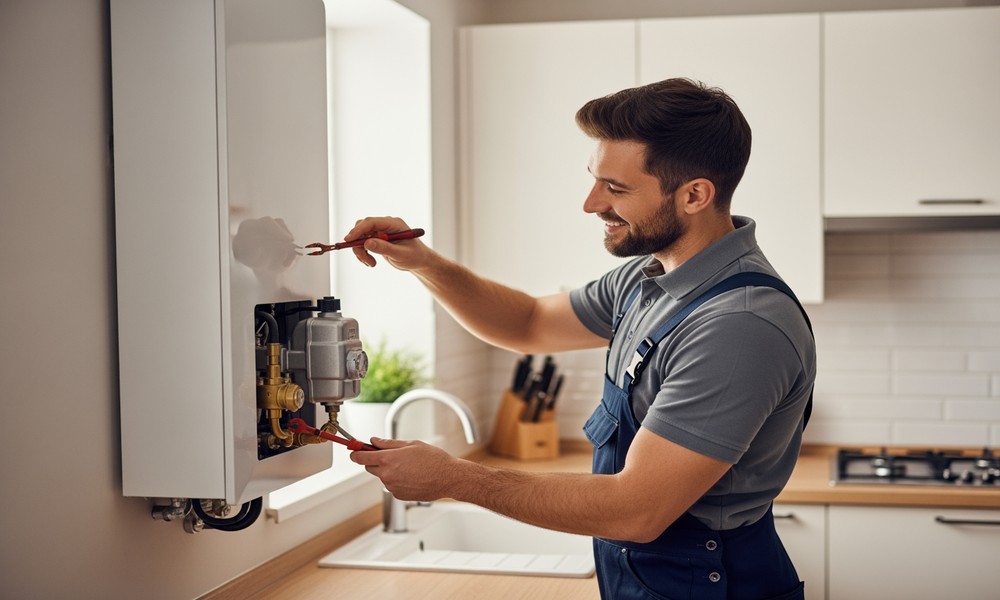
Setting the Standard for Home Maintenance
When it comes to maintaining the comfort and safety of our homes, the reliability of our plumbing and heating systems is paramount. From ensuring a steady supply of hot water to keeping our living spaces warm during colder months, these systems work tirelessly in the background. However, when issues arise, the process of diagnosis and repair can often feel daunting. This is where the commitment to transparency and upfront pricing becomes not just a business practice, but a cornerstone of customer trust and service excellence.
A truly professional home service provider understands that clear communication is as vital as technical expertise. We believe that homeowners deserve to know exactly what to expect, both in terms of the work being performed and the associated costs, before any service begins. This approach eliminates surprises, fosters confidence, and builds a long-lasting relationship based on honesty and mutual respect.
Consider the elements that contribute to a transparent service agreement. It should clearly outline the diagnostic process, detailing what steps will be taken to identify the problem. Following diagnosis, a comprehensive explanation of the proposed solution is essential, presented in an easy-to-understand manner, free of jargon. Crucially, an itemized breakdown of costs, including parts and labor, should be provided upfront. This allows homeowners to make informed decisions without feeling pressured.
Furthermore, a transparent service agreement often includes details about warranties on parts and labor, projected timelines for completion, and information on any follow-up services or maintenance recommendations. By setting these standards, we ensure that every interaction is clear, fair, and focused on delivering the best possible outcome for your home’s essential systems. This commitment to clarity helps homeowners understand the value they are receiving and reinforces the importance of professional, reliable service in maintaining their most significant investment.
Defining Plumbing and Heating Reliability in Modern Homes
Plumbing and heating reliability in modern homes extends beyond simply having systems that work. It encompasses consistent performance, system longevity, and the peace of mind that comes from knowing your essential utilities are dependable. For homeowners, reliability means fewer unexpected breakdowns, efficient operation, and predictable comfort throughout the year. It’s about system uptime – the percentage of time your systems are functioning as intended – and the overall lifespan of your equipment, minimizing the need for premature replacements. Performance metrics, such as consistent water pressure, stable indoor temperatures, and efficient energy consumption, are key indicators of a reliable system.
The demands placed on plumbing and heating systems can vary significantly between residential and commercial properties, influencing their reliability requirements.
Residential vs. Commercial Reliability Requirements:
Feature Residential Reliability Commercial Reliability System Uptime Crucial for daily comfort, occasional downtime tolerated. Critical for business operations, productivity, and safety; minimal downtime acceptable. Longevity Expected lifespan of 10-20+ years with proper maintenance. Often higher usage, demanding more robust systems and components for extended life. Performance Metrics Consistent comfort, hot water, efficient energy use. Maintaining specific temperatures, high-volume water flow, compliance with health/safety codes. Maintenance Needs Annual checks, preventative care to avoid disruptions. Strict, scheduled preventative maintenance to prevent costly operational halts. Emergency Response Important for comfort and preventing property damage. Urgent, 24/7 response critical to avoid significant financial losses or regulatory penalties. System Complexity Generally simpler, focused on household needs. More complex, often integrated with building management systems, diverse usage patterns. While residential systems prioritize individual comfort and convenience, commercial systems often face heavier usage, stricter regulatory compliance, and a greater financial impact from downtime. However, the underlying principle remains the same: a reliable system is one that consistently meets its operational demands with minimal intervention, offering both efficiency and durability.
Identifying Trustworthy Technicians and Service Providers
Choosing the right plumbing and heating professional is crucial for ensuring the long-term reliability of your home’s systems. A trustworthy service provider stands out through several key indicators, starting with robust customer satisfaction. We always recommend looking for companies with a strong track record of positive customer reviews and testimonials. These provide real-world insights into their service quality, professionalism, and problem-solving capabilities.

Response times are another critical factor, especially during emergencies. A reliable company will offer prompt service and transparent communication about arrival times. For urgent situations, a 24-hour emergency response capability is invaluable, offering peace of mind when unexpected issues arise.
Technician expertise is non-negotiable. Qualified technicians possess the knowledge and experience to accurately diagnose problems and implement effective, lasting solutions. Their diagnostic accuracy ensures that the root cause of an issue is addressed, preventing recurring problems and unnecessary expenses. A long-standing service history in the community also speaks volumes about a company’s stability and commitment to its customers. When evaluating potential service providers, ask about their experience, training, and how they ensure their technicians stay current with the latest technologies and best practices. This due diligence is essential for securing dependable service that contributes positively to your home’s overall plumbing and heating reliability.
The Role of Professional Certifications in Plumbing and Heating Reliability
Professional certifications are more than just badges; they are tangible proof of a technician’s competence, adherence to industry standards, and commitment to safety and quality. When selecting a plumbing or heating professional, understanding the significance of these certifications is vital for ensuring reliability and peace of mind.
For instance, in the UK, organizations like the Association of Plumbing and Heating Contractors (APHC) play a crucial role. APHC membership signifies that a contractor is qualified, professional, and committed to high standards of workmanship and customer service. They offer various schemes, including Licensed Membership, which vets trading standards, insurance, and qualifications, and the Competent Persons Scheme (CPS), allowing members to self-certify compliance with Building Regulations. Homeowners can find valuable insights and guidance through resources like the Plumbing & Heating Consumer Advice Guides | APHC.
Other important certifications include:
- WaterSafe compliance: For plumbing professionals working with mains water, WaterSafe registration demonstrates compliance with Water Fittings Regulations, ensuring safe and hygienic water supply.
- Gas Safe standards: In the UK, any engineer working on gas appliances must be on the Gas Safe Register. This is a legal requirement and ensures they are qualified and competent to work safely with gas.
- MCS (Microgeneration Certification Scheme) certification: For those considering renewable energy installations like heat pumps or solar thermal systems, MCS certification ensures that both the product and the installer meet rigorous quality standards, often a prerequisite for accessing government incentives.
These certifications guarantee a level of technical competence and accountability. They indicate that technicians have undergone specific training, passed examinations, and are regularly assessed to ensure their skills are up-to-date. By choosing professionals with relevant and verifiable certifications, homeowners can significantly enhance the plumbing and heating reliability of their systems, knowing the work is performed to the highest industry benchmarks.
Technical Standards and Energy Efficiency Compliance
In an era of increasing environmental awareness and rising energy costs, technical standards and energy efficiency compliance have become central to defining plumbing and heating reliability. Homeowners are not only seeking systems that function consistently but also those that operate efficiently, minimizing their carbon footprint and utility bills.
Energy efficiency ratings, such as SAP (Standard Assessment Procedure) ratings and EER (Energy Efficiency Ratio) bands, provide a standardized way to measure a home’s energy performance. The SAP rating, for example, assesses a dwelling’s energy consumption and carbon dioxide emissions, with higher scores indicating better efficiency. We’ve seen significant improvements in these areas; for instance, the average SAP rating for English dwellings rose from 45 points in 1996 to 68 points in 2024, reflecting a broader trend towards more energy-efficient housing. The proportion of homes achieving the highest efficiency bands (A to C) also dramatically increased from 26% in 2014 to 56% in 2024. This trend highlights the growing importance of energy performance in modern homes. For a deeper dive into these statistics, the Chapter 2: Energy efficiency – GOV.UK offers comprehensive data.
Fixed heating systems, those permanently installed and plumbed or hard-wired, are a key component of this compliance. Their design and installation must adhere to specific standards to ensure not only effective space heating but also energy efficiency. This commitment to energy performance is crucial for long-term reliability, as efficient systems often experience less wear and tear, leading to extended lifespans and reduced maintenance needs.
Boiler Reliability and Engineering Standards
Boilers are the heart of many home heating systems, and their reliability is a top concern for homeowners. When selecting a new boiler, or assessing an existing one, understanding the engineering standards and reliability metrics is key. Independent consumer organizations often conduct extensive research to guide homeowners. For example, Which? surveyed over 10,000 public members who had new boilers installed within the previous six years, and also gathered insights from 225 Trusted Trader heating engineers. This comprehensive approach allows for a nuanced understanding of boiler reliability, combining real-world user experience with expert opinion.
The methodology for assessing boilers often involves looking at the proportion of units needing repair within a certain timeframe, adjusted for age to ensure fair comparisons across brands. Engineers’ recommendations are also heavily weighted, as they work with these systems daily and have knowledge of their durability and common issues. You can learn more about how these assessments are conducted at How we assess boilers – Which? and find recommendations from experts at Which? Trusted Trader.
Modern boilers are also subject to ErP (Energy-related Products) efficiency standards, with many new installations required to meet a minimum of 92% efficiency. This reflects advancements in condensing technology, which maximizes heat recovery and reduces energy waste. The durability of internal components is a critical factor in a boiler’s long-term reliability. High-quality materials and robust construction lead to fewer breakdowns and a longer operational life, providing consistent warmth and hot water for years to come.
Regulatory Requirements for Fixed Heating Systems
Ensuring reliable heating in our homes often involves adhering to specific regulatory requirements designed to protect occupants and promote energy efficiency. These standards dictate not only the presence of heating systems but also their performance and safety.
A prime example of such regulations is the Scottish Repairing Standard, which outlines statutory guidance for private landlords regarding fixed heating systems. According to Annex D6 of this standard, a fixed heating system must be a permanent installation, either plumbed or hard-wired, and capable of maintaining specific temperature minimums-typically 21°C in at least one room and 18°C elsewhere when the outside temperature is -1°C. This ensures that homes provide adequate space heating for comfort and health. The guidance emphasizes that portable heaters are generally only acceptable temporarily during repairs. For more detailed information on these requirements, you can refer to Annex D6: Installations for space heating by a fixed heating system – Repairing Standard: statutory guidance for private landlords – gov.scot.
These regulations highlight the importance of permanently installed systems that are in good condition and reasonable working order. They also implicitly underscore the need for professional installation and maintenance to meet these benchmarks. Compliance with such standards not only ensures basic comfort but also contributes to the overall energy efficiency of a dwelling, as fixed systems are typically more efficient and reliable than temporary solutions. Understanding and adhering to these regulatory frameworks is a key aspect of maintaining high plumbing and heating reliability in any home.
Proactive Maintenance and Long-Term System Health
The cornerstone of robust plumbing and heating reliability is proactive maintenance. Far too often, homeowners wait until a system fails before seeking professional help, leading to costly emergency repairs and significant inconvenience. However, a strategic approach focused on annual inspections and comprehensive maintenance plans can dramatically extend the lifespan of your systems, prevent unexpected breakdowns, and ensure optimal performance.
Regular annual inspections allow skilled technicians to identify potential issues before they escalate into major problems. This early diagnosis can uncover minor leaks, worn components, or efficiency-reducing build-ups that might otherwise go unnoticed. For instance, a technician might spot signs of corrosion in your water heater, or a clogged condensate line in your furnace, both of which can lead to significant failures if left unaddressed.
Maintenance plans often include priority scheduling, ensuring that your service needs are met promptly, especially during peak seasons. They also provide comprehensive checks that go beyond a simple visual inspection, encompassing detailed cleaning, calibration, and adjustment of critical components. This systematic approach not only enhances system reliability but can also significantly improve energy efficiency, saving you money on utility bills in the long run. Investing in the preventative care of your home’s infrastructure is a smart decision that pays dividends in comfort, safety, and long-term value. For those seeking comprehensive care to maintain their home’s essential systems, exploring options for Midwest Comfort HVAC reliability through a dedicated maintenance plan can be a wise choice.
Common System Failures and Preventative Strategies
Understanding common plumbing and heating problems is the first step toward preventing them and ensuring system longevity. Many issues are avoidable with regular attention and professional care.
- Clogged Drains: Often caused by hair, grease, and foreign objects. Prevention: Use drain screens, avoid pouring grease down sinks, and schedule annual drain cleaning.
- Water Pressure Loss: Can indicate pipe corrosion, leaks, or issues with your water main. Prevention: Regular plumbing inspections can identify early signs of corrosion or leaks. Consider water softener installation to combat mineral buildup if you have hard water.
- Furnace Short Cycling: When your furnace turns on and off too frequently. Prevention: Ensure your air filter is clean, check your thermostat settings, and schedule annual furnace tune-ups. Our blog on Why Your Furnace Short Cycling Ankeny offers more insights.
- Refrigerant Leaks (AC): Leads to poor cooling performance. Prevention: Annual AC maintenance includes checking for leaks and ensuring proper refrigerant levels.
- Frozen Pipes: A risk in cold climates. Prevention: Insulate pipes in unheated areas, seal air leaks, and keep your home adequately heated during winter.
- Mineral Buildup: Common in water heaters and pipes, especially with hard water. Prevention: Regular water heater flushing and professional maintenance can mitigate this. Our blog on Warning Signs of a Failing Water Heater provides useful tips.
Implementing these preventative strategies, often detailed in comprehensive Top Furnace Maintenance Tips, can significantly reduce the likelihood of these common failures, enhancing the overall reliability of your plumbing and heating systems.
Plumbing and Heating Reliability Through System Upgrades
Sometimes, even with diligent maintenance, older systems reach the end of their reliable service life. In these instances, strategic upgrades can dramatically enhance plumbing and heating reliability, improve efficiency, and add significant value to your home.
One common upgrade is repiping. Older homes, particularly those built before the 1980s, often have galvanized steel or polybutylene pipes. Galvanized pipes are prone to rusting from the inside out, leading to reduced water pressure, discolored water, and recurring leaks. Polybutylene, on the other hand, can become brittle and crack, especially under temperature fluctuations. Replacing these with modern materials like PEX or copper can resolve these issues permanently. PEX is flexible, cost-effective, and resistant to hard water, while copper is known for its durability and long lifespan. This modernization of your home’s water distribution is a significant step toward lasting plumbing reliability.
For heating systems, upgrading to high-efficiency models or transitioning to newer technologies can offer substantial benefits. Replacing an old, inefficient boiler with a modern condensing unit, for example, can drastically reduce energy consumption and improve heating consistency. Similarly, upgrading an aging water heater, as discussed in our guide on Water Heater Replacement, can provide more reliable hot water and energy savings. Understanding the Benefits of Water Heater Replacement can help homeowners make informed decisions. These infrastructure modernizations are not just about fixing problems; they are about investing in the long-term performance, safety, and efficiency of your home’s essential systems.
Safety Protocols and Alternative Energy Networks
Beyond the immediate comfort provided by plumbing and heating systems, ensuring the safety of our homes is paramount. This often involves adherence to strict safety protocols, particularly concerning electrical components that power many modern heating and cooling units. Arc-fault detection, for instance, is a critical safety feature designed to prevent electrical fires. The National Electrical Code (NEC) Section 210-12, effective January 1, 2002, mandates that branch circuits supplying 125V, single-phase, 15- and 20-ampere outlets in dwelling unit bedrooms must be protected by an Arc-Fault Circuit Interrupter (AFCI). These devices detect dangerous electrical arcs that traditional circuit breakers might miss, shutting off power before a fire can start. Such measures are essential for overall home safety and contribute to the reliability of the electrical infrastructure that supports our plumbing and heating systems. For comprehensive information on safeguarding your home’s electrical systems, exploring various Electrical reliability solutions can provide valuable insights.
Navigating Heat Networks and Communal Systems
As we look towards more sustainable and efficient energy solutions, heat networks (also known as district heating) are becoming an increasingly common alternative to traditional individual boilers. These systems supply heat and hot water from a centralized source to multiple customers via a pipe network. Well-functioning heat networks are often touted as environmentally friendly alternatives to gas and electric heating, aligning with broader carbon reduction goals.
However, navigating these systems requires homeowners to be informed. Unlike traditional systems where you own your boiler, heat networks involve a communal infrastructure and often come with long-term contracts, sometimes up to 25 years. This can limit a customer’s flexibility to switch providers. It’s crucial for consumers to understand the terms, pricing structure (which often includes standing charges for maintenance and replacement of the central boiler), and their rights.
In Great Britain, the Heat Trust Scheme is a voluntary initiative that sets minimum standards of customer service and consumer protection for heat suppliers. While it doesn’t cover pricing or contract length, it aims to ensure fair treatment, clear information, support for vulnerable customers, and effective complaint handling. Homeowners should familiarize themselves with resources like Heat Networks: advice for customers and understand the role of organizations like The Heat Trust and their Our Standards to ensure they receive reliable service and fair treatment within these systems.
Comprehensive Service Offerings for Modern Dwellings
Modern homes often require a suite of services beyond basic plumbing and heating repairs to ensure optimal comfort, efficiency, and reliability. Top plumbing and heating companies recognize this evolving need and offer comprehensive service offerings designed to address every aspect of a dwelling’s environmental systems.
These services might include specialized solutions like hydronics, which use water or steam to heat or cool spaces, offering efficient and consistent temperature control. For homeowners concerned about power outages, generator installation provides essential backup power, ensuring heating, cooling, and critical appliances remain operational. Water filtration systems improve water quality throughout the home, protecting plumbing fixtures and enhancing health. Even services like bath remodeling often involve significant plumbing work, requiring expert installation to ensure long-term reliability and leak-free operation.
Furthermore, many providers offer emergency plumbing services, understanding that issues like burst pipes or severe clogs can’t wait. For larger properties or businesses, commercial maintenance plans are tailored to the unique demands of commercial-grade systems, focusing on preventative care to minimize downtime. Whether it’s ensuring your water heater is functioning optimally as detailed in our guide for water heaters in Des Moines, IA, or maintaining your boiler system, as covered in our boilers repair in Des Moines, IA information, a holistic approach to home services ensures that all interconnected systems contribute to a reliable and comfortable living environment. This also extends to the less visible but equally critical components like ductwork in Des Moines, IA, which plays a vital role in air distribution and efficiency.
Frequently Asked Questions about Plumbing and Heating Reliability
What are the signs of a failing heating or plumbing system?
Recognizing the early warning signs of a failing system can save you from costly emergency repairs and prolonged discomfort. For heating systems, common indicators include unusual noises (grinding, banging, whistling), a sudden increase in energy bills without a change in usage, uneven heating across rooms, a persistent pilot light issue, or the system frequently short cycling (turning on and off rapidly). Our articles on Signs You Need HVAC Repair and 4 Signs Your Heating System Requires Immediate Attention offer comprehensive lists. For plumbing, watch out for persistent drips, sudden drops in water pressure, discolored water, slow drains, recurring clogs, unexplained wet spots, or the sound of running water when no fixtures are in use. Any of these signs warrant prompt professional inspection.
How do energy efficiency ratings impact long-term reliability?
Energy efficiency ratings, such as SAP or EER, directly correlate with long-term system reliability. Highly efficient systems are designed to operate with less strain, consuming less energy to achieve the desired output. This reduced workload often translates to less wear and tear on components, leading to fewer breakdowns and a longer operational lifespan. For instance, a high-efficiency boiler or AC unit typically incorporates advanced technology and better-quality components, which are inherently more durable. Moreover, efficient systems often require less frequent repairs and contribute to lower utility bills over time, making them a more reliable and cost-effective investment in the long run.
Are heat networks as reliable as traditional gas or electric boilers?
Heat networks can be highly reliable, but their reliability profile differs from traditional individual boilers. A well-designed and maintained heat network, with a robust central plant and distribution system, can offer excellent reliability, often benefiting from professional management and economies of scale for maintenance. However, individual reliability can be affected by the network’s overall performance, meaning an issue at the central plant could impact all connected properties. Traditional gas or electric boilers offer individual control and isolation, meaning a problem with one boiler doesn’t affect others. The key to heat network reliability lies in the quality of its design, installation, ongoing maintenance, and the consumer protections in place (like those offered by the Heat Trust Scheme). While they offer environmental benefits and can be very efficient, homeowners should thoroughly research the specific network’s track record and contractual terms before committing.
Conclusion
Ensuring plumbing and heating reliability is a critical aspect of homeownership, directly impacting comfort, safety, and long-term value. As we’ve explored, achieving this reliability hinges on a combination of factors: from selecting service providers committed to service transparency and professional standards, to understanding the technical and regulatory benchmarks governing our systems.
The commitment to upfront pricing and clear communication is not merely a courtesy; it’s a fundamental element of building trust and empowering homeowners to make informed decisions about their essential home repairs and maintenance. By prioritizing preventative care through annual inspections and maintenance plans, and by making strategic system upgrades when necessary, we can significantly extend the lifespan of our plumbing and heating infrastructure.
Investing in the reliability of these systems translates into homeowner peace of mind. It means fewer unexpected disruptions, lower long-term costs, and the assurance that our homes will remain comfortable and safe for years to come. By demanding transparency, valuing professional expertise, and embracing proactive maintenance, we collectively enhance the system integrity of our homes, creating more sustainable and dependable living environments.
