

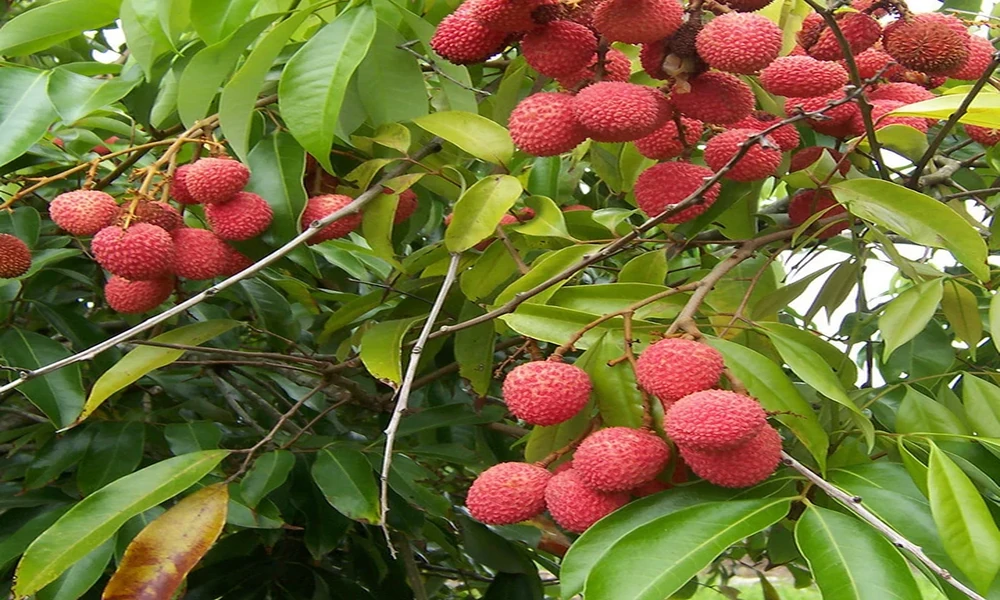
A black mulberry is a long-term garden decision. It develops character slowly, ultimately offering a broad canopy, textured bark, deep shade, and richly flavoured fruit that stains fingers and paving with equal enthusiasm. This is not the tree for a narrow passage or a position where every fallen fruit causes concern. In the right space, however, its scale and patience become the reason for planting it.
Six qualities make the case: longevity, architectural character, useful shade, distinctive harvest, a pace that rewards patient gardeners, and the ability to become a focal point around which part of the garden is organised. Each benefit carries a corresponding responsibility. Mature room, picking access, a surface that tolerates fallen fruit, and realistic expectations during establishment are essential parts of the choice.
A fruit tree specialist from Fruit-Trees highlights mature space as the first test for a black mulberry. Its eventual canopy, long life, shade, fruit fall, and access for picking should be drawn into the garden rather than inferred from the young tree. The specialist advises choosing a warm, viable position where the tree has time to develop without crowding paths or delicate surfaces. The resulting brief gives gardeners a sound basis to buy black mulberry trees with a clear understanding of both the harvest and the landscape role.
Mulberries invite a different tempo from compact trees selected for quick convenience. Their value accumulates in framework, shadow, bark, memories, and recurring summer fruit. That makes them particularly suitable where the owner wants a tree to anchor the garden over many years and accepts that early seasons are only the beginning.
The six reasons below are not sales claims detached from place. Each is tested against the practical garden. The same broad crown that creates shade needs clearance; the same soft ripe fruit that tastes distinctive needs careful harvesting; and the same longevity that builds character demands a position able to accommodate change.
Reason One: Longevity Gives the Planting Weight
Long life changes the standard of fit. A short-lived seasonal feature can occupy a temporary gap, but a mulberry deserves a position that still makes sense as buildings, owners, and surrounding planting change. Mature spread, root room, boundary relationships, and access should be considered at the scale of decades. The reward is continuity: one tree links several phases of a garden.
Longevity also argues for patient establishment. Early growth should be supported with suitable planting, watering, mulch, and protection rather than pushed for instant effect. The gardener watches roots and framework develop, corrects ties or damage promptly, and avoids repeatedly moving the design around a tree that was poorly placed. Time becomes an asset only when the original site gives it room.
Records and succession matter in a long-term planting. Keep the cultivar label, planting date, source, pruning notes, and any significant damage where future gardeners can find them. A mature mulberry often outlasts the person who chose it. Passing on clear information protects the tree from unnecessary hard pruning or removal based on a misunderstanding of its history and natural habit.
Long-term stewardship includes decisions beyond the current owner’s strength and availability. Keep access wide enough for professional inspection, avoid building permanent features over the root zone, and record significant pruning or damage. The tree should not depend on one person’s private knowledge. A clear maintenance history and uncluttered approach make it more likely that future gardeners preserve the mulberry’s structure rather than react to its scale with unnecessary severe work.
Reason Two: Age Builds Architectural Character
Black mulberries gain visual interest as their framework develops. The trunk and major limbs acquire texture and individuality, creating a presence that cannot be reproduced by a newly planted ornamental. Winter silhouette matters as much as summer leaf. A well-sited tree contributes structure through the bare season and gives the garden an established feeling even when harvest is distant.
That architecture should be guided with restraint. Formative decisions remove conflicts early and encourage a sound framework, while unnecessary severe cutting creates large wounds and an awkward response. Pruning should have a clear purpose, use appropriate timing and technique, and respect the species. Where mature work exceeds safe ground-based care, qualified help belongs in the long-term plan.
Views decide where character is appreciated. A mulberry seen from the kitchen, terrace, lawn, or a principal path becomes part of daily experience. Placed too close to the viewpoint, it overwhelms; hidden at an unused boundary, much of its form is lost. Marking the future crown in photographs or on a plan helps balance prominence with the surrounding architecture.
View the developing form in winter photographs from fixed points. Bare branches show balance, crossing, clearance, and the relationship with buildings better than a dense summer crown. Compare changes over several years before deciding that an irregularity is a defect; mature mulberries often gain character from individual form. Intervention should address soundness, conflict, or access, not force the tree into a generic symmetry that erases its architectural value.
Reason Three: A Broad Canopy Creates Useful Shade
Summer shade is valuable when it falls where people or robust planting benefit. A future seating area, lawn edge, or open part of a large garden might welcome the canopy. Vegetable beds, greenhouses, solar panels, and sun-loving borders might not. Shade should be mapped through the sun’s path and considered beyond the current season, when the young crown casts almost none.
The ground beneath a mature tree changes. Grass may thin, roots compete, and fallen leaves and fruit alter maintenance. A generous mulched zone or suitable shade-tolerant planting can turn that transition into a deliberate garden room. Dense excavation, raised soil against the trunk, or paving imposed after maturity risks damaging the root environment. Plan the use beneath the canopy while options remain open.
Shade also affects comfort and fruit collection. Seating directly beneath ripe mulberries is inviting in theory but awkward when soft fruit falls and stains. Position the principal sitting surface near the edge of the mature crown or accept seasonal cleaning. Useful shade is designed around the complete tree, including harvest behaviour, not around leaves alone.
Map how shade moves between late morning and evening at midsummer, then project the broader future crown. A bench that gains welcome afternoon shade may still receive morning light, while a border under the northern side becomes progressively darker. This map guides paths and planting before the canopy dictates them. It also protects important sunny uses elsewhere in the garden, allowing the mulberry’s shade to feel intentional rather than expansive by accident.
Reason Four: The Harvest Has Distinctive Character
Ripe black mulberries offer an intense sweet-sharp flavour and soft texture unlike a supermarket apple or pear. They are eaten fresh, added to desserts, or used in preserves where the household enjoys the crop. Their softness is part of the appeal and the challenge. Fruit is best handled gently, collected frequently, and used promptly rather than expected to travel or store like a firm apple.
Colour demands a practical surface plan. Juice stains hands, clothing, pale paving, vehicles, and indoor flooring reached by shoes. A mulched or planted area beneath the canopy is more forgiving than a pristine terrace or driveway. Collection containers, gloves where preferred, and a direct route to the kitchen keep harvest pleasurable. The tree should not be placed where every ripe fruit creates conflict.
Birds also value the crop, and not every fruit will reach the household. A large accessible tree usually supports sharing between people and wildlife, though losses vary by garden and season. The realistic goal is a useful harvest, not complete possession. Regular picking from reachable branches and prompt clearing beneath the tree protect the usable share without turning the canopy into an impractical exclusion project.
Create a harvest threshold for cleaning. During peak fruit fall, inspect paths and gathering areas daily, use washable mats or forgiving surfaces where appropriate, and keep pale textiles and vehicles outside the likely drop zone. The routine should be easy enough to repeat without resentment. Staining is not a flaw that careful siting removes entirely; it is a known property managed by putting the right activities beneath and beyond the canopy.
Reason Five: Slow Development Rewards Patient Gardening
A gardener choosing black mulberry should be comfortable with gradual progress. The tree spends early years establishing roots and framework before it resembles the broad characterful specimen imagined at purchase. That pace encourages attention to fundamentals: soil moisture, mulch, support, protection, and well-judged formative work. Quick visual impact is a poor measure of whether the tree is succeeding.
Patience does not mean neglect. Leaves, shoots, bark, ties, and root-zone conditions should be checked, especially through dry establishment periods. Growth is interpreted in relation to soil and season rather than forced with excessive feeding. Small annual improvements accumulate. A sturdy branch angle or well-extended root zone has more long-term value than soft growth produced for immediate display.
The slower relationship also suits gardeners who enjoy continuity. Photographs from the same viewpoint, notes on first flowering and crops, and records of canopy spread make development visible. The tree becomes a measure of the garden’s history. This pleasure depends on expectations set correctly at the beginning; impatience leads to unnecessary pruning, overfeeding, or replacement before the tree has had a fair chance.
Patience benefits from milestones unrelated to fruit quantity. Successful establishment, a well-placed framework branch, the first useful patch of shade, healthy annual extension, and a balanced winter silhouette all mark progress. Celebrating only the first large harvest tempts the gardener to overfeed or retain too much early fruit. Broader milestones keep care aligned with the long life and landscape purpose that justified the choice.
Reason Six: One Tree Can Organise a Generous Space
Large gardens sometimes suffer from many small decisions without a focal structure. A mulberry can organise lawn, paths, views, and seating around one enduring canopy. The plan should reserve enough open space for its form to read clearly rather than surrounding it immediately with trees of competing scale. Underplanting and nearby features then support the focal point instead of fighting it.
Draw the tree at maturity and test circulation around that circle. Access for mowing, picking, inspection, and eventual professional work needs clear ground. Consider shade on neighbours and buildings, fallen fruit, sightlines, and how people cross the garden. If those relationships work, the tree gains authority naturally; it does not need to be squeezed close to the house to feel important.
The final decision joins all six reasons. Longevity, character, shade, flavour, patience, and landscape structure are powerful only in a site that accepts their scale. Where space is tight or staining fruit is unwelcome, another tree is the better choice. Where the brief fits, a black mulberry offers something rare: a harvest tree whose value becomes broader and more personal as the garden grows around it.
A focal tree should leave the rest of the garden adaptable. Paths and beds can respond as shade increases, but buildings, drains, boundaries, and hard surfaces are less flexible. Reserve distance from those fixed elements and let movable planting occupy the transitional zone. This hierarchy gives the mulberry freedom to mature while allowing future gardeners to reshape the surrounding space. Its legacy then comes from presence and usefulness, not from constraints inherited with it.
Before finalising the position, imagine the tree during three ordinary events: a summer meal, autumn clearing, and winter pruning. Shade, fallen fruit, and branch access should fit each scene. This seasonal rehearsal prevents one benefit from hiding another cost. When all three remain workable, the mulberry has a credible place in daily life as well as in the long view. The focal point then serves the garden throughout the year, not only when fruit is ripe.
With that seasonal fit established, patience feels purposeful: each year adds usable shade, stronger structure, and a deeper connection between tree and place.
